

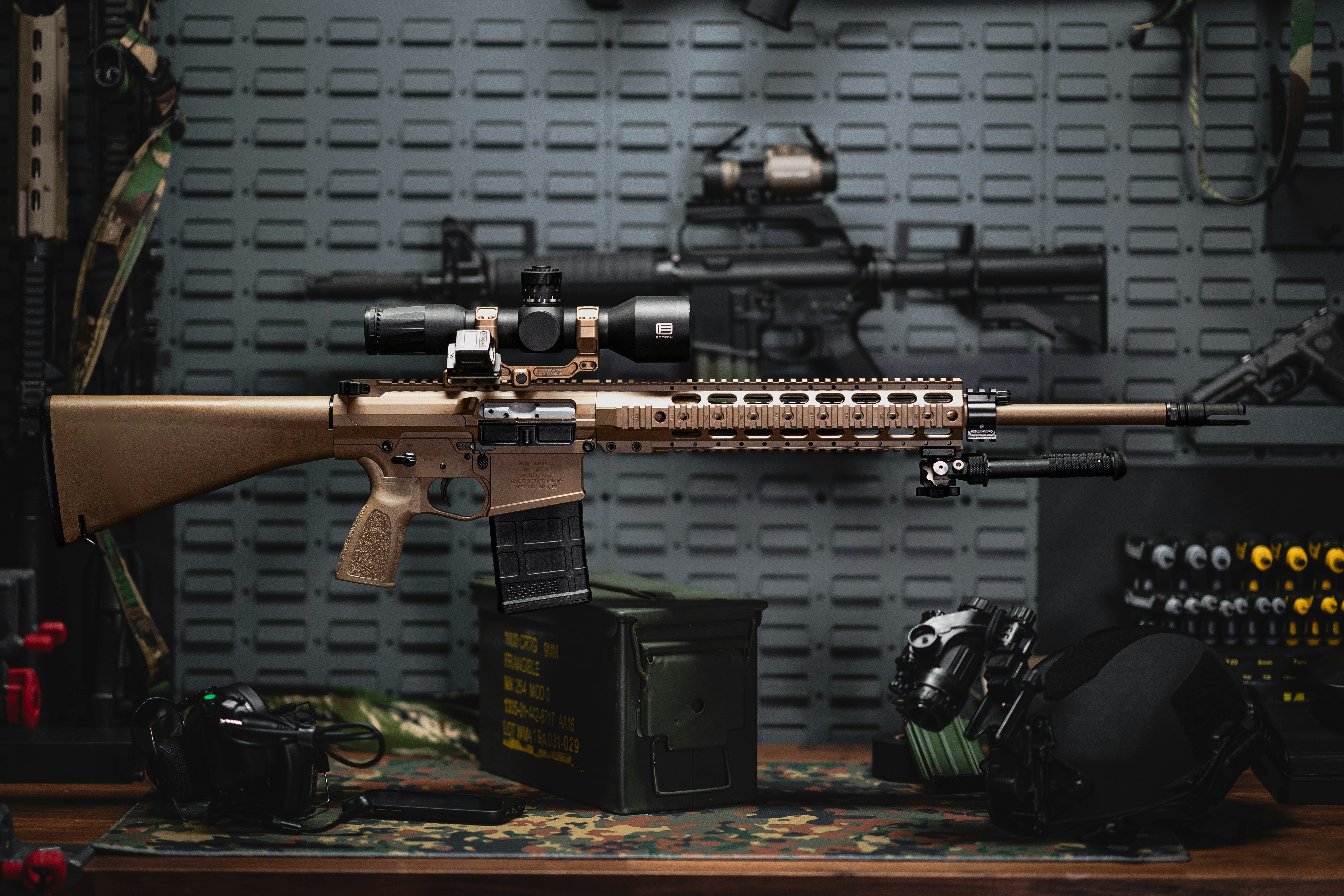
When you start looking at 308 suppressor ready rifles, it is easy to get dazzled by spec sheets and forget what actually drives performance in the field. Precision shooters in particular obsess over one number when the real win comes from how the whole package fits together.
A threaded barrel is only the starting point. What you prioritize next is what separates a frustrating setup from a great one.
Start With the Thread and the Mount
Most 308 suppressor ready rifles come with a threaded muzzle, but the thread pitch and any muzzle device matter just as much. Confirm your can’s mounting system matches your barrel, whether that is direct thread or a brake-style mount.
A mismatch here stalls everything. This breakdown of attachment methods walks through the options so you pick a system that fits your rifle and your habits.
Prioritize Weight for the Way You Shoot
Among 308 suppressor ready rifles, the can adds length and weight to the muzzle, which shifts balance. For a hunting rig you carry all day, a light titanium can is worth a premium. For a bench or competition gun, you can accept more weight in exchange for suppression.
Decide which side you are on before you buy, because that single choice narrows the field fast among 308 suppressor ready rifles and their matching cans.
Demand Durability and Heat Tolerance
The .308 runs hot, and a precision shooter stringing rounds will heat a can quickly. Look for a core built to handle sustained fire without losing performance. A maker like Liberty Suppressors builds rifle cans with hard-use cores for exactly this, and the comparison of precision shooters options shows how durability separates the field.
Match the Bore and Confirm the Calibers
Never assume a can fits just because the diameter looks right. Confirm the bore and the rated calibers, and check barrel-length minimums for your load. Getting this wrong risks a baffle strike, which ruins a can instantly. These notes on matching caliber are worth a careful read before you commit to any pairing.
Do Not Overlook Serviceability
A serviceable can you can take apart stays quieter longer and lasts for years, which matters for a rifle you intend to shoot hard. The whole reason to suppress is hearing safety anyway, since loud gunfire causes noise-induced hearing loss at the levels described in occupational noise exposure guidance.
Weigh all of these together and the right match among 308 suppressor ready rifles stops being a guess and becomes a confident choice.
What Suppressor Ready Actually Means
The phrase gets used loosely, so it helps to pin it down. At minimum, suppressor ready means the rifle comes with a threaded barrel and an appropriate thread pitch, so you can mount a can without machining. Many 308 suppressor ready rifles also ship with a thread protector and sometimes a muzzle device you remove before attaching a suppressor.
Beyond the threads, a truly suppressor friendly rifle considers gas pressure and barrel length so it runs well suppressed. Knowing exactly what a maker means by ready saves you a surprise at the bench, so always confirm the thread spec and what comes in the box before you buy.
Threaded Barrels and Gas Systems
The barrel threads are only half the story on a semi-auto. Adding a can raises backpressure, which can change how the action cycles and how much gas blows back at you. Well-designed 308 suppressor ready rifles account for this, sometimes with an adjustable gas block that lets you tune the rifle for suppressed use.
On a bolt gun, gas is a non-issue, so the threaded barrel is all you really need. On a gas gun, an adjustable system is a meaningful upgrade. Understanding which platform you have tells you how much the gas system matters for your setup.
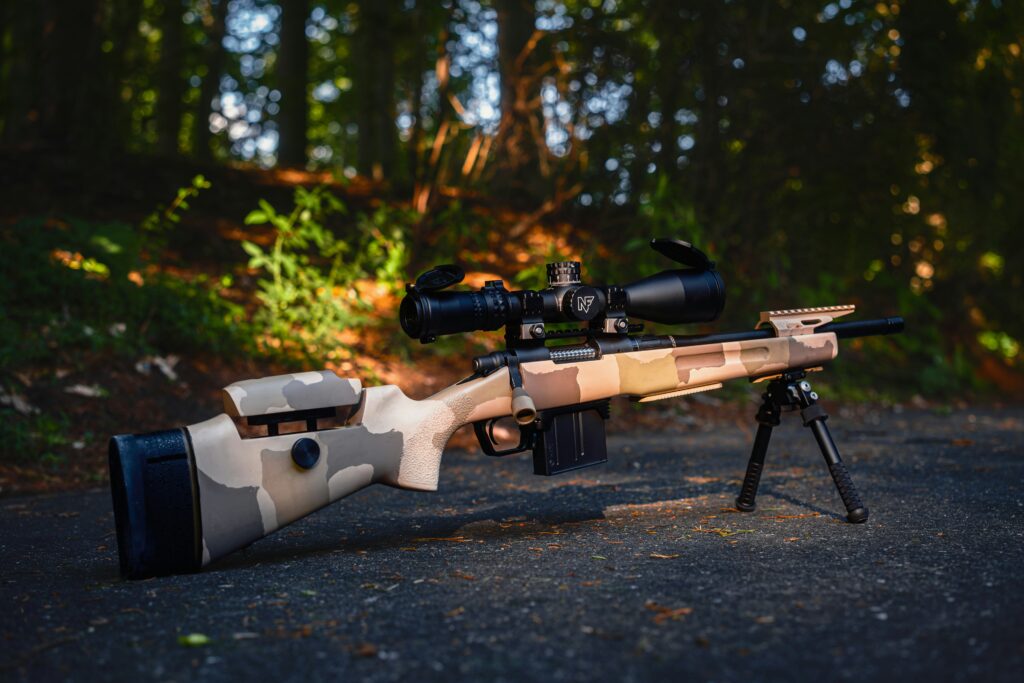
Matching a Can to a .308 Platform
The .308 generates real heat and pressure, so the can has to be rated for it. A durable, full-auto rated suppressor handles repeated hard shots without complaint, while a lightweight model keeps a hunting rifle nimble. The right pick depends on whether you prize toughness or trim weight for your 308 suppressor ready rifles.
Confirm the bore and barrel-length minimums before mounting, since a fast .308 round demands proper clearance. Match the can to how you actually shoot, from precision bench work to backcountry hunting, and the rifle and suppressor become a true system.
Precision Versus Hunting Builds
How you shoot shapes the ideal setup. A precision build can accept a longer, heavier can for maximum suppression and a stable platform, since you are usually shooting from a rest. Weight is less of a concern when the rifle rarely leaves the bench.
A hunting build flips those priorities. Here, 308 suppressor ready rifles pair best with a light, trim can that keeps the rifle quick to carry and fast to mount on game. Decide which style describes your shooting before choosing a suppressor, and the trade-offs sort themselves out.
Avoiding Common Setup Pitfalls
A few mistakes trip up new suppressor owners. The first is assuming any threaded barrel is correctly sized for your can, so always match thread pitch exactly. The second is ignoring gas tuning on a semi-auto, which leaves you with a gassy, over-cycling rifle. The third is buying a can not rated for the heat a .308 produces.
Avoiding these is simple with a little homework. Confirm the threads, tune the gas if needed, and choose a can built for the caliber. A clean setup is the difference between a rifle that shoots beautifully suppressed and one that fights you.
Getting Your Rifle Dialed In
Once everything is matched, dialing in is straightforward. Mount the can concentrically with no play, tune your gas system if your rifle has one, and confirm your zero shifts predictably with the can attached. Most quality setups hold a repeatable point of impact once you confirm it.
From there, enjoy what 308 suppressor ready rifles do best, deliver hard-hitting performance with far less concussion and noise. A properly set up suppressed .308 is more comfortable to shoot, easier on your ears, and just as accurate, which is exactly why the platform is so popular.
Why the Suppressed .308 Platform Keeps Growing
The popularity of 308 suppressor ready rifles is no accident. The .308 is a proven, versatile cartridge that handles everything from target work to big game, and pairing it with a can solves its one real drawback, the bark.
A suppressed .308 is far more comfortable to shoot, easier on the ears, and less punishing over a long session, which opens the cartridge up to shooters who once found it harsh.
Manufacturers have responded by building more rifles ready for a can straight from the box. Threaded barrels, thread protectors, and tuned gas systems are increasingly standard, which removes the friction that used to come with suppressing a .308.
That convenience has pulled more shooters into the suppressed world, since the path from purchase to quiet shooting is now short and simple.
The result is a platform that rewards both precision shooters and hunters. A bench shooter gains a stable, low-concussion setup, while a hunter gains a quieter, more humane field rifle.
As more 308 suppressor ready rifles reach the market, the entry point keeps getting easier, and the case for running a suppressed .308 only gets stronger for anyone who shoots the cartridge regularly.
Frequently Asked Questions (FAQs)
1. Does a Threaded Barrel Mean Any Can Will Fit?
No. You still have to match thread pitch and mounting style, and confirm the can is rated for your caliber. A threaded muzzle is the starting point, not a guarantee of compatibility. Always confirm the thread pitch and what ships in the box for your 308 suppressor ready rifles before buying a can.
2. How Much Weight Will a Can Add?
Enough to shift the rifle’s balance, especially on a hunt. Titanium cans minimize it, while heavier steel cans trade weight for durability or value. Choose based on how far you carry the rifle and how much you value a trim, balanced setup.
3. Why Does Heat Tolerance Matter for Precision?
Because stringing rounds heats a can fast. A core built for sustained fire holds performance and resists wear, while a weaker design can degrade or even shift your point of impact.
4. What Happens If the Bore Is Wrong?
A bore too small for your projectile risks a baffle strike, which can destroy the can and damage your rifle. Always confirm bore size and barrel-length minimums before mounting.
5. Is a Serviceable Can Better for a Rifle?
For a rifle you shoot hard, yes. Cleaning the core keeps suppression consistent and extends the can’s life, which is why serviceability ranks high among 308 suppressor ready rifles considerations and pairings.