0
Bulletin Board

The Best AR-15 Suppressors in 2025

If you want to knock a few decibels off your report while shooting, a good-quality suppressor is the best gadget to have. A suppressor can reduce shooting noise, help you focus better, and protect your ears if you often shoot. 

But, for you to experience all these amazing benefits, you need a suppressor that’s compatible with your firearm and delivers what it promises. And that’s what we’re talking about today. 
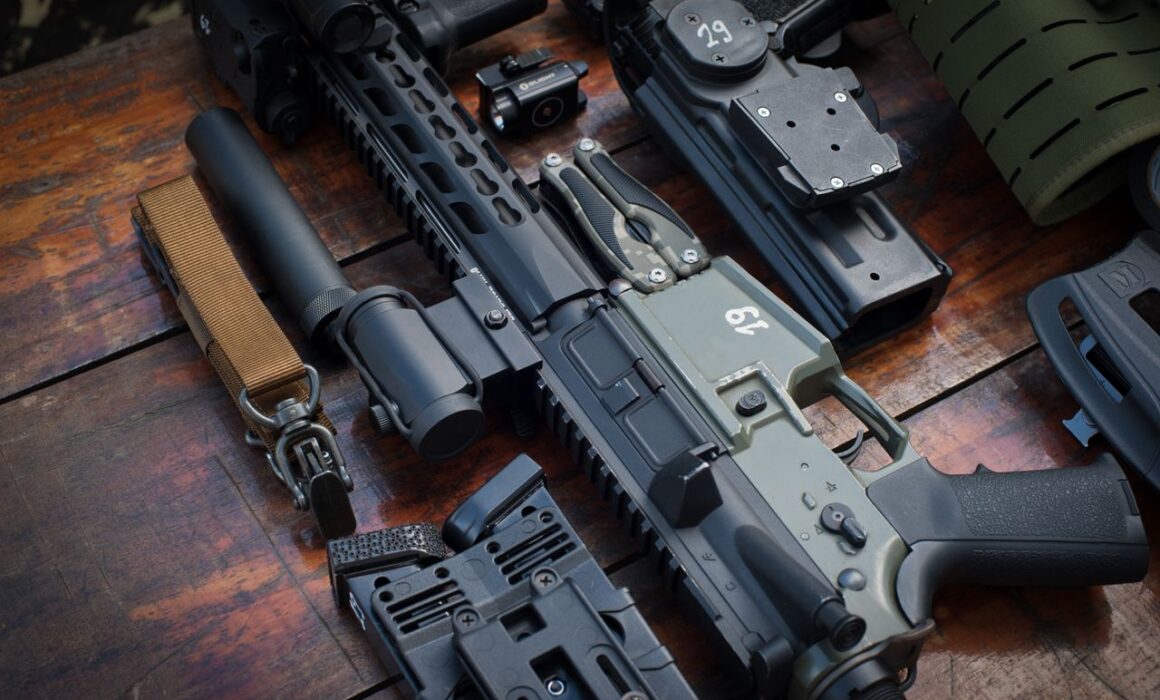
We’ve done the tough work on your behalf to list the best AR-15 suppressors that are a treat to own for any shooting enthusiast. If you want to put in the money (and do all that paperwork) for something worth it, keep reading to know which suppressor to get this year. 

5 Best AR-15 Suppressors to Buy in 2025 

A suppressor makes shooting safer, more precise, and less disruptive. It lowers the noise, which protects your hearing and reduces disturbance to others nearby. It also decreases recoil and muzzle flash and helps you shoot more accurately in dim settings. 
Let’s now help you find the best AR-15 suppressor.
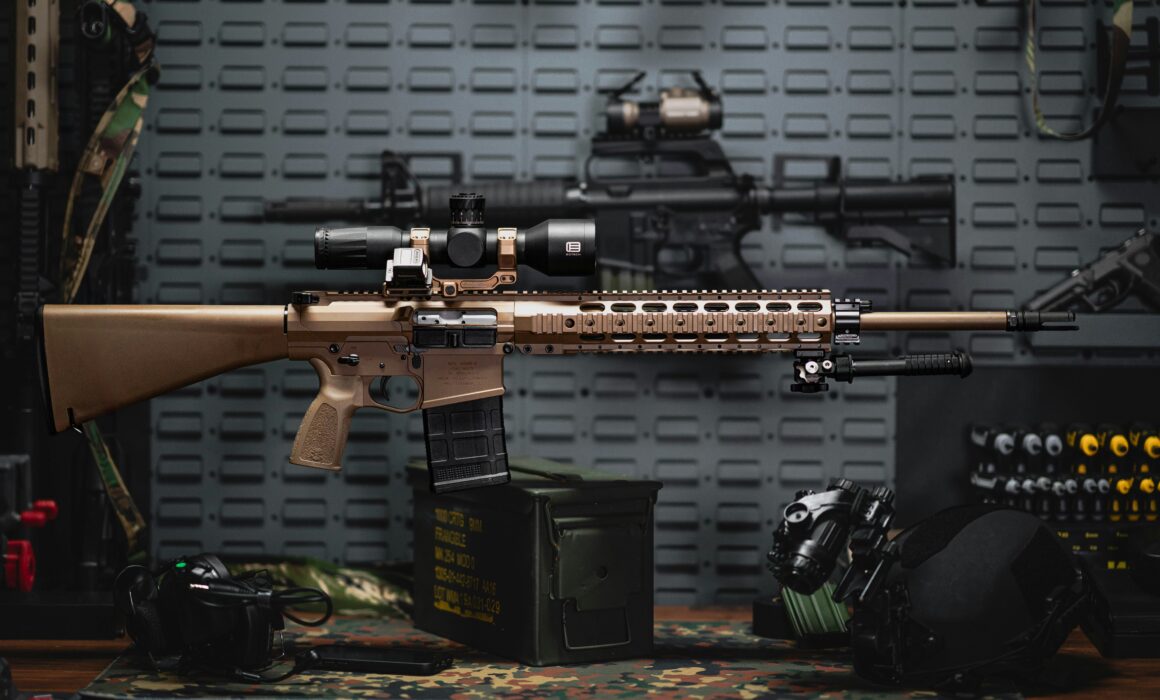
Liberty Triumph 

Key Specs

  • Caliber: 5.56 NATO
  • Length: ~7 inches
  • Weight: ~14 ounces
  • Material: Titanium core with Inconel blast baffle
  • Attachment: Liberty QA quick-attach mount
  • Sound Reduction: ~33 dB on 5.56

Pros

  • Very robust for sustained or rapid fire
  • Can handle full auto applications 
  • Uses a direct thread mount for increased accuracy 

Cons

  • Pretty expensive 

The Liberty Triumph can be the best AR-15 suppressor since it balances lightweight construction and rugged performance. Its titanium chassis keeps it fairly light, and the Inconel blast baffle adds strength where it matters. Because the Triumph is rated for full-auto fire, you can rely on it if you push your rifle during intensive shooting sessions. 

It weighs around 14.8 ounces and measures close to 7 inches, which is manageable for an AR-15. This suppressor also boasts a high-temp Cerakote finish that resists wear and protects the metal. You can choose between Tungsten Gray or Black, which is cool if you care about aesthetics. 

The Triumph can make you experience a sound drop of about 130 dB on a standard 5.56 rifle. Notably, this one’s price range is similar to other premium suppressors, around $900 to $1,200, based on where you look. 

Plus, this one’s direct thread option is appealing if accuracy is your main goal since it can reduce movement at the connection point. That detail makes a difference when shot placement matters. Some shooters note that this one’s mounting can feel snug, but it ensures a strong lock-up for repeatable performance.

SureFire SOCOM556-RC2

Key Specs

  • Caliber: 5.56 NATO
  • Length: ~6.4 inches
  • Weight: ~17.0 ounces
  • Material: Stainless steel and Inconel
  • Attachment: SureFire Quick Detach (SOCOM series muzzle device)
  • Sound Reduction: ~32 dB (manufacturer claim)

Pros

  • Excellent durability under full-auto or high rates of fire
  • Minimal point-of-impact (POI) shift and repeatable return-to-zero
  • Widely adopted by military and law enforcement

Cons

  • Proprietary SOCOM muzzle device required

If you need a reliable and full-auto-rated suppressor, SureFire SOCOM556-RC2 is a solid choice. Its stainless steel and Inconel construction stands up to high rates of fire and handles the kind of abuse that comes with intensive training. 

SureFire designed this model with minimal point-of-impact shift so that you can attach and detach it without constant re-zeroing. Such consistency helps if you use different shooting setups during practice or switch between suppressed and unsuppressed modes often. 

The SOCOM556-RC2 measures about 6.4 inches long and weighs roughly 17 ounces, which keeps your rifle balanced. You’ll also appreciate its quick detach feature because it saves time and lets you move smoothly through drills.

You can count on about a 32 dB reduction in sound, according to SureFire’s data, and that can make a real difference for hearing protection. A suppressor like this also reduces muzzle flash, which helps if you shoot in low-light conditions. You may see this model priced between $1,000 and $1,300, though actual costs can vary based on dealers. It’s an investment, but many shooters feel the performance justifies the expense.

Liberty Amendment

Key Specs

  • Primary Calibers: 7.62x51mm, .308 Win, 7.62x39mm, 5.56x45m
  • Length: ~6.2 inches
  • Weight: ~16 ounces
  • Material: Titanium/alloy steel 
  • Attachment: Direct thread or optional Liberty QD (check model)
  • Sound Reduction: ~28 dB

Pros

  • Purpose-built for 5.56 with robust construction
  • Inconel blast baffle for extended high-heat durability
  • Good balance of size and performance
  • It’s engineered to be light yet tough 

Cons

  • Proprietary mounting (if QD version is chosen)

You can make a one-time suppressor investment if you operate many firearms because the Liberty Amendment is built that way. It handles multiple calibers, including 7.62x51mm, .308 Win, 7.62x39mm, and 5.56×45. 

This handy gadget measures about 6.2 inches and weighs around 16 ounces, so it works well on an AR-15. We built the Amendment with titanium and alloy steel and included an Inconel blast baffle to resist erosion under high heat—it helps if you shoot short barrels or train with rapid strings of fire. 

The rated sound reduction for Amendment is around 28 dB, which might not be the highest out there, but it still offers enough noise control to make your range sessions more comfortable.

You can pick a direct thread version or go for the quick detach option, though the QD model requires a proprietary mount. Pricing usually runs from $800 to $900, and the cost makes sense if you want a hard-use can that keeps weight low. 

You will also like the Amendment’s durability if you plan to use it across different rifles without worrying about rapid wear. Some shooters need a suppressor that works in tough environments, and the Amendment answers that need. Its 17-4 stainless steel core and titanium shell help it maintain performance over time.

Mystic X – Multi-Caliber Suppressor

Key Specs 

  • Calibre: Multi Caliber suppressor 
  • Length: ~8 inches
  • Weight: 10.5 ounces
  • Material: Stainless steel core, titanium tube, steel alloy tube retaining ring

Pros

  • High-temp Cerakote finish 
  • Light and tough titanium for the outer tube
  • Incredibly durable 17-4 PH stainless steel for the core
  • Multi-caliber compatibility 

Cons

  • It may require more maintenance and calibration because of multi-caliber compatibility 

If you shoot multiple platforms and prefer a single suppressor that isn’t tied to just one rifle or caliber, the Mystic X will be your good friend. 

You can run it on an AR-15 with 5.56 and later switch to a pistol-caliber carbine. It’ll save money and storage space since you don’t need separate cans. The Mystic X measures around 8 inches in length and weighs about 10.5 ounces. 

It features a stainless steel core and a titanium tube for a solid performance. The can is then coated in high-temperature Cerakote for extra protection. That construction helps it handle different pressures while staying light enough for extended shooting.

However, a multi-caliber suppressor can need more maintenance because you’ll be swapping it between different guns. That doesn’t mean it’s hard to own, but you will want to clean it more often and keep track of any needed adaptors. 

The Mystic’s price falls in the $600 to $800 range, which is affordable for a suppressor you can use with many calibers. You’ll especially like its 17-4 PH stainless steel core because it holds up to higher pressures. You also get the benefit of quick handling since it doesn’t add much front-end weight. 

SilencerCo Saker ASR 556

Key Specs

  • Caliber: 5.56 NATO
  • Length: ~6.36 inches
  • Weight: ~14.0 ounces
  • Material: Stellite baffles, stainless steel tube
  • Attachment: ASR quick-detach mount
  • Sound Reduction: ~32–34 dB

Pros

  • Modular mounting system (ASR mount is widely supported)
  • Durable baffle construction
  • Good balance of weight, length, and sound reduction

Cons

  • ASR mount adds some cost if you don’t already use SilencerCo muzzle devices
  • Suppressor gets hot quickly under rapid-fire 

The SilencerCo Saker ASR 556 is a dedicated 5.56 suppressor that many AR-15 users trust for its balance of weight and durability. It measures about 6.36 inches and weighs around 14 ounces, so it’s compact enough to avoid making your rifle feel heavy at the muzzle. 

SilencerCo uses Stellite baffles and a stainless steel tube to help the Saker withstand repeated firing without wearing out. The manufacturer claims it drops sound by roughly 32 to 34 dB, which can protect your hearing and keep your shooting less disruptive in most training environments.

The Saker’s ASR quick-detach system is used on many SilencerCo products. As a result, you can attach or remove the can quickly if you own other ASR-compatible muzzle devices. If you don’t already use SilencerCo’s muzzle devices, these mounts add to your cost, but the Saker sells for $700 to $900.

On the downside, this suppressor heats up fast if you fire rapidly (typical for many smaller 5.56 cans), but the materials cope well with that heat and maintain performance. 

Conclusion 

You can get a lot of value from adding a suppressor to your AR-15 because it makes your shooting sessions easier on your ears. It also calms the rifle’s recoil and helps you keep a lower profile in shared spaces. 

You won’t regret investing in a quality can, as it can last for many years with proper maintenance. But make sure you follow all regulations and inspect your gear for wear. For further information on the best suppressors, keep visiting Liberty Cans

FAQs

Are AR-15 suppressors legal to own and use?

You can own and use AR-15 suppressors in most parts of the United States, but you must follow federal, state, and local laws. In many cases, you need to go through the National Firearms Act (NFA) process, which involves paperwork and a tax. Always check your local regulations to ensure you comply. 

Will a suppressor reduce recoil and improve control on my AR-15?

A suppressor can reduce recoil to a noticeable degree because it channels some of the gases out of the front of the can. Eventually, it helps you stay on target and maintain steadier shots. You will likely feel smoother firing sequences if you do rapid strings at the range. This can improve your control and comfort. 

Do I need special mounts or muzzle devices for my AR-15 suppressor?

Many suppressors use proprietary mounting systems or require a specific muzzle device. You must check the brand and model to see if you need a quick-detach mount or a direct-thread option. Some companies sell muzzle brakes or flash hiders, which you must buy to attach the can.

Bulletin Board

Choosing the Best Glock 19 Suppressor

Owning a Glock 19 is exciting, but its noise and recoil can affect your comfort and confidence. If you keep shooting without caring for your ears and comfort, the long-term results will not be nice. That’s when a suppressor steps in and delivers the following changes: 

  • Lowers noise to protect your hearing
  • Eases recoil for better shot recovery
  • Minimizes muzzle flash for a clearer sight picture

But to experience these benefits, you need a capable and smart Glock 19 suppressor that fits your pistol like a glove. Not sure how to choose a suppressor that does all this and more? We got you. In this guide, we’ll help you choose a suppressor that performs well and stands up to regular use. So keep reading and make a smart decision.

Glock 19 Suppressor Basics

Before we get to clearing what must a Glock 19 suppressor have, here are a few basics you must be clear about: 

Threaded Barrel Necessities

Firstly, you need a threaded barrel for your Glock 19 if you plan to attach a suppressor. The standard barrel in a Glock 19 does not include external threads, so you cannot mount a suppressor without making this upgrade. 

A threaded barrel sticks out beyond the slide, giving you the space to secure the suppressor. In the United States, the most common thread pitch for 9mm barrels is 1/2×28. This pitch ensures a snug fit between the barrel and most suppressors on the market. Some other thread pitches exist, but 1/2×28 remains the typical option.

Booster or Nielsen Device

A booster, sometimes called a Nielsen device, helps a tilt-barrel pistol cycle properly when a suppressor adds weight to the muzzle. A Glock 19 has a barrel that tilts during recoil, and an attached suppressor can strain this motion. 

Therefore, the booster offsets that weight by allowing limited movement inside the mounting system. Eventually, that movement prevents the suppressor from pinning the barrel down when the slide cycles. Without this feature, you could run into failures to feed or eject on each shot, which wastes time and ammunition at the range.

Key Factors in Choosing a Glock 19 Suppressor

Now that we’re clear with Glock 19 basics, it’s time to choose one that’ll make shooting more pleasant for you. So, when you’re in the market for a suppressor that best suits your Glock 19, here are some things to stick to: 

  1. Material & Construction

The foremost thing you’re to check in a Glock suppressor is the material used in its construction. Most 9mm suppressors feature aluminum, stainless steel, or titanium — each with its distinctive capabilities. For example, aluminum is lighter and more affordable so if you want less strain on your wrist during long sessions, it’s a good option. But, remember that aluminum can wear out faster under intense heat or very high round counts. 

Similarly, stainless steel offers increased durability and better heat tolerance, though you’ll pay a bit more and deal with extra weight. That additional heft can benefit control, but it could also make your Glock 19 feel a bit front-heavy.

Or if you want strength in the suppressor without too much weight, one made with titanium will suit you best. This material resists corrosion well and disperses heat. Notably, its downside is the higher cost, which can climb into premium territory. 

  1. Size & Weight

You don’t want the suppressor to add extra heft to the pistol, so be mindful of its weight and size (as in both its length and diameter). 

A longer suppressor can tame more noise, but it’ll likely feel awkward if you prefer a compact setup. On the other hand, a shorter suppressor can preserve better maneuverability yet produce a slightly louder report. You have to decide which trade-off makes sense. 

Moreover, heavy suppressors can reduce muzzle rise by adding forward mass, which helps you maintain sight alignment during rapid fire. But of course, too much weight will make your pistol feel sluggish—so go for a setup that remains steady yet doesn’t drag your Glock 19 down. 

  1. Decibel Reduction Performance

A solid 9mm suppressor promises to reduce sound by about 25 to 35 decibels, but real-world performance differs. The ammo you choose plays a big role in the suppressor’s decibel reduction. For instance, subsonic rounds produce quieter shots because they avoid the sonic crack. 

The environment you shoot in also matters. Indoors, you’ll notice more noise reflecting off walls, while outdoors, you’ll benefit from open space. Always remember that no suppressor makes your Glock 19 completely silent—it lowers the noise to a level that’s safer for your ears and more pleasant for everyone around you. 

If you’re planning to run a lot of rounds in one session, a suppressor with better heat dissipation can maintain consistent performance. That means you’ll get less “first-round pop” and fewer shifts in sound level as you shoot. 

You might see manufacturers tout certain dB reduction figures, but actual results vary based on barrel length, ammo type, and ambient conditions. On average, any Glock 19 suppressor that claims a minimum of 28 decibels of sound reduction will work well—but the higher, the better. 

It’s good to look up independent tests or user reviews since they show how the suppressor performs in everyday situations. 

  1. Mounting System

You have two main mounting systems to consider for a Glock 19 suppressor: direct-thread and quick-detach (QD). Direct-thread screws the suppressor directly onto the threaded barrel—it keeps things simple and secure. You twist the suppressor on until it’s tight, and you don’t need extra components. Many pistol suppressors feature direct-thread mounts because pistols have shorter barrels and lower pressures than rifles. That makes a quick-detach system less necessary, though there are a few pistol cans that include QD adapters for those who want fast attachment or removal.

A reliable lock-up is also necessary for the Glock 19 suppressor because you don’t want the suppressor to come loose in the middle of a shooting session. If it does, your accuracy can suffer, and you risk damage to the threads. Make sure the mount you choose fits your Glock 19’s thread pitch (commonly 1/2×28) so you avoid any alignment troubles.

  1. Gas Blowback & Recoil Management

When you attach a suppressor, you create extra back pressure in your Glock 19’s firing cycle, which can affect ejection patterns and recoil impulse. You may notice brass ejecting in a different direction or a sharper kick if the suppressor redirects gas back into the slide. When shooters don’t account for this factor, they struggle with unexpected malfunctions. 

Luckily, you can manage gas blowback and recoil if your suppressor is good enough. Some suppressors include adjustable pistons or certain booster assemblies that let you fine-tune performance. 

You can also change recoil spring weights to ensure smooth cycling. If you plan to run hotter ammo, you’ll need a slightly heavier spring. But, if you shoot standard-pressure rounds, a standard spring might be enough. Tinkering with these options can help you balance reliability and comfort, as a well-tuned Glock 19 with a suppressor can reduce muzzle flip and produce milder felt recoil.

  1. Suppressor Maintenance & Cleaning

A suppressor on a Glock 19 will accumulate carbon, unburned powder, and lead residue with each use. This buildup can affect the suppressor and your pistol’s function. Therefore, it’s important to get a suppressor that doesn’t ask for much upkeep. Here you have two ways to go: 

  • Some suppressors are sealed, and you can’t take them apart for detailed cleaning. 
  • Others feature a modular or disassemblable design. 

If you have one that’s built to be user-serviceable, you can remove its baffles and scrub them separately, while sealed models rely on a “soak” method or specialized ultrasonic cleaners. User-serviceable suppressors let you physically inspect and clean each internal component. You should prefer a user-serviceable design if you plan to shoot many rounds or use cast-lead bullets. You should also be aware of how often the manufacturer recommends cleaning. Excess buildup can mean reduced sound suppression and physical damage, so be regular with the upkeep. 

Summing Up 

We’re sure you can now see the bigger picture about what to look for in a Glock 19 suppressor. The right choice means fewer hassles, better comfort, and peace of mind on every shot. Be clear about your goals and budget to buy a suppressor that works the best.

That way, you can rely on consistent performance and enough noise reduction. The best approach is to do some research and testing before finalizing your purchase. Then, you’ll be set for a satisfying experience, whether you’re training for defense or enjoying a quieter time at the range. To get the best-quality Glock 19 suppressor, visit Liberty Cans, and your search will come to an end. 

FAQs

Are glocks good with suppressors?

Yes, Glocks work very well with suppressors if you have a proper setup. A threaded barrel, a booster (Nielsen device), and appropriate ammunition ensure reliable cycling. Many shooters choose a Glock 19 suppressor because it combines portability with proven performance. 

How often should I clean my pistol suppressor?

How often you clean the suppressor depends on ammunition type (lead or jacketed) and round count. Generally, cleaning after every few hundred rounds or whenever you notice increased back pressure or buildup is advisable.

Is subsonic ammo necessary with a suppressor?

It’s not mandatory, but subsonic ammo avoids the supersonic crack and results in a quieter shot. Standard 9mm can still be reduced in noise, but subsonic loads optimize suppressor performance.

Bulletin Board

How Many Decibels in a Gunshot? Understanding Noise Levels

Gunshots are loud, and sometimes the sound levels can exceed safe thresholds for human hearing. 

According to the American Speech-Language-Hearing Association (ASHA), even a single gunshot can produce sound levels above 175 dB, far surpassing safe limits. This makes the use of firearms without hearing protection an immediate risk to auditory health.

The intensity of a gunshot depends on the caliber of the firearm, and therefore, noise level varies between different firearm models and ammunition types. 

Understanding the decibel levels associated with gunshots is crucial for firearm users, manufacturers, and safety regulators alike. 

In this article, we will explore the decibel levels of gunshots, examine the implications of firearm noise on hearing, compare noise levels across different firearms, and discuss effective safety measures to mitigate risks.

What is Decibel Level? Understanding Noise Measurement

Decibels (dB) are a unit of measurement used to quantify the intensity of sound. They follow a logarithmic scale, meaning that a small numerical increase represents a significant jump in sound intensity. For example, an increase of 10 dB corresponds to a tenfold increase in sound energy.

To get a better understanding of noise measurement, you should know that whispers are perceptible at 30 dB, whereas noise from jet engines exceeds 130 dB. 

Normal conversation, for instance, occurs around 60 dB and is considered safe for prolonged exposure. Conversely, sounds above 85 dB are deemed harmful if experienced continuously over extended periods. At the same time, even one-time exposure to more than 140 dB is sufficient to cause permanent hearing damage. 

Now, interestingly, firearms almost always exceed the safe threshold, and on average produce 140 to 160 dB, which is obviously a significant health risk. 

What Determines Decibel Levels of a Firearm?

As we said, gunshots from different firearms vary in their individual noise levels. Here are the major reasons why that’s the case:

Cartridge

The cartridge, or the ammunition used, is a primary determinant of a firearm’s noise level. It comprises the bullet, gunpowder, and casing, all of which contribute to the explosive sound produced during firing.

Larger cartridges contain more gunpowder, hence generating greater gas expansion and pressure, resulting in louder gunshots. For example, magnum cartridges are significantly louder than standard ones due to their higher powder charge.

Barrel Length

The length of the firearm’s barrel directly affects how sound waves travel. 

Shorter barrels allow less time for the propellant gases to expand and decelerate, resulting in a louder and sharper noise. Conversely, longer barrels provide more space for gas expansion, slightly reducing the noise level. 

However, the reduction is typically minor and varies based on other factors like caliber and ammunition type.

Ammunition Type

Subsonic ammunition generates less noise compared to supersonic rounds because it avoids the additional ‘crack’ caused by breaking the sound barrier. Shooters aiming for quieter performance often pair subsonic ammunition with suppressors.

Caliber

The caliber, or the diameter of the firearm’s bore, also influences noise levels. Larger calibers generally produce louder gunshots because they require more propellant to fire larger bullets. 

This increases the energy released, contributing to higher decibel levels.

Suppressors

Suppressors attach to the muzzle and reduce the sound by slowing and cooling the escaping gases. While they significantly lower the noise level, most suppressors do not bring gunshots below the 85 dB safe threshold.

Environmental Factors

The surroundings in which a firearm is used can amplify or dampen sound. Open spaces allow sound to dissipate, while confined areas like shooting ranges reflect and amplify noise.

Decibel Levels Across Firearms

Firearms differ in their decibel levels depending on their configuration. Here are the average decibel levels of common firearms:

  • Handguns: Typically produce 140-160 dB. Their shorter barrels and high-pressure cartridges contribute to their sharp and loud discharge.
  • Rifles: Noise levels range from 150-170 dB. Short-caliber rifles generally produce up to 140 dB, whereas higher-caliber rifles can go over 175 dB. The longer barrels slightly reduce the sound intensity, but higher calibers and powerful ammunition often compensate.
  • Shotguns: Generally produce 150-165 dB. The noise depends on the gauge and load; larger gauges like 12-gauge produce louder sounds.

Impact of Gunshot on Hearing

Gunshot noise, with its extreme decibel levels, poses a significant risk to hearing health. Exposure to such high-intensity sound can lead to immediate and long-term auditory damage.

Here are the key aspects of how gunshot noise impacts hearing:

Noise-Induced Hearing Loss (NIHL)

Noise-Induced Hearing Loss is one of the most common outcomes of firearm noise exposure. 

Gunshots typically range between 140 to 175 dB. At these levels, even brief exposure can damage the hair cells in the cochlea, i.e., the sensory organ responsible for converting sound waves into nerve signals. 

Unlike other cells in the body, cochlear hair cells do not regenerate, making NIHL a permanent condition.

Tinnitus

Tinnitus, or ringing in the ears, is another prevalent consequence of exposure to firearm noise. This condition often arises from acute trauma to the auditory system caused by high decibel levels. 

Tinnitus may be temporary after limited exposure, but frequent unprotected shooting can lead to chronic and irreversible symptoms. Individuals with tinnitus also often report difficulty concentrating and disrupted sleep patterns, which significantly impacts their quality of life.

Temporary Threshold Shift (TTS)

Short-term exposure to loud noise, such as firing a gun, can lead to a Temporary Threshold Shift, characterized by a temporary reduction in hearing sensitivity. While hearing may seem to return to normal after hours or days, repeated instances of TTS increase the likelihood of permanent hearing loss.

Cumulative Damage from Repeated Exposure

Prolonged exposure to firearm noise, especially in occupational settings like hunting, law enforcement, or military service, can lead to cumulative auditory damage. 

Over time, the ear’s natural recovery mechanisms become overwhelmed, resulting in progressive and irreversible hearing loss.

Impact on Speech Recognition

Hearing loss caused by gunshot noise often affects the ability to discern speech, particularly in noisy environments. This impairment stems from damage to the high-frequency hearing range, which is crucial for understanding consonant sounds.

Safety Measures for Hearing Protection for Firearm Users

Now that you know what gunshot decibels are, and how deteriorating they can be, let’s discuss how you can prevent this damage. 

Here are some common safety measures for firearms users:

Hearing Protection Devices

Some of the common hearing protection devices you can consider are as follows:

Earplugs

Earplugs are small, portable, and effective at reducing noise levels by sealing the ear canal. 

Foam earplugs are inexpensive and provide excellent noise reduction if inserted properly. Custom-molded earplugs offer a comfortable fit and consistent protection, making them a preferred choice for frequent shooters.

Earmuffs

Earmuffs cover the entire ear, providing a second layer of protection. They are easier to use than earplugs and offer uniform attenuation across a broad frequency range. 

High Noise Reduction Rating (NRR) earmuffs are ideal for shooting ranges or high-decibel firearms.

Electronic Hearing Protection

Electronic earmuffs and earplugs are advanced HPDs that allow users to hear ambient sounds or conversations while blocking harmful noise levels. These devices amplify low-level sounds but automatically suppress gunshot noise. 

They are highly effective for hunters and tactical shooters who need to maintain situational awareness. 

The choice between earplugs, earmuffs, or electronic devices depends on individual needs and shooting scenarios. For maximum protection, consider using a combination of earplugs and earmuffs, especially when firing high-caliber firearms.

Suppressors

Suppressors, commonly known as silencers, attach to the firearm’s muzzle to reduce the intensity of the sound produced during a gunshot. While they do not make firearms completely silent, they can lower the noise level by 20–35 dB.

Here are some common types of suppressors:

  • Rimfire Suppressors: Designed for small-caliber firearms, they are lightweight and easy to maintain.
  • Centerfire Rifle Suppressors: These are larger and robust, suitable for high-caliber rifles.
  • Pistol Suppressors: Compact and lightweight, they are ideal for handguns.

The quality of a suppressor is determined by its material (e.g., titanium or stainless steel), design, and compatibility with the firearm. Look for Liberty Suppressors with high decibel reduction and durable construction.

Safe Shooting Practices

A combination of hearing protection devices, suppressors, and safe shooting practices is all-important in preventing hearing damage. 

Distance and Positioning

Maintain distance from other shooters and avoid enclosed spaces where sound reverberates, increasing noise exposure.

Regular Hearing Checks

Schedule periodic hearing assessments, especially if you shoot regularly. Early detection of hearing damage allows for timely intervention.

Limiting Exposure

Reduce the number of shots fired per session to minimize cumulative noise exposure. Opt for outdoor ranges, as they naturally disperse sound waves better than indoor ranges.

Frequently Asked Questions

What is the loudest firearm?

The Barrett M107 is among the loudest firearms, producing sound levels exceeding 186 dB due to its high caliber and large cartridge.

Can gunshot noise permanently damage hearing?

Yes, even a single gunshot can cause permanent hearing loss due to its extreme decibel level (over 175 dB), which exceeds the safe threshold for human ears.

Bulletin Board

5 Best 9mm Suppressor in 2024: Top Picks for Noise Reduction

Firearms, particularly handguns, produce upto 140-160 decibel sounds. Being way over the safe hearing threshold, even a single gunshot is capable of causing immediate and permanent hearing damage. 

To counter this significant potential risk, suppressors (also known as silencers) are an essential accessory for firearm users. They reduce the intensity of the noise when a bullet is fired, which makes shooting safer and more comfortable for the user and people nearby.

Suppressors vary in size and configuration, and each is tailored to specific firearms and purposes. Of all that are available, specialized 9mm suppressors are widely used.

In this article, we will discuss top 9mm suppressors of 2024, their performance, features, and why they stand out as the best choice. 

What are Suppressors?

Suppressors, commonly called silencers, are attachments designed to reduce the noise, recoil, and muzzle flash generated by a firearm.

When a firearm is discharged, the rapid expansion of gases from the barrel creates the characteristic loud sound of a gunshot. Suppressors mitigate this by slowing down and dispersing these gases through a series of internal baffles and expansion chambers. 

This process reduces the speed and energy of the gases, thereby minimizing the sound and recoil. 

Additionally, suppressors often trap unburned powder particles, preventing the visible muzzle flash that occurs when firing a gun. This can be especially beneficial in tactical scenarios like night combats.

Here’s how using a suppressor helps:

  • Hearing Protection: Exposure to gunshot noise can cause immediate and permanent hearing damage. Suppressors reduce noise levels to a safer range, though ear protection is still recommended for prolonged shooting.
  • Enhanced Shooting Accuracy: Suppressors reduce recoil and muzzle rise, allowing shooters to maintain better aim and control during rapid-fire or follow-up shots.
  • Improved Communication: Quieter shots facilitate easier communication among team members in tactical or hunting scenarios.
  • Reduced Noise Pollution: Suppressors are valuable for shooting ranges or areas near residential zones, minimizing disruption to the surroundings.

Why Choose a 9mm Suppressor?

A 9mm suppressor is specifically designed to cater to firearms chambered in the popular 9mm caliber. Here are some of its key characteristics:

  • Size and Portability: Most 9mm suppressors are compact and lightweight, ensuring that they don’t add excessive bulk to handguns or carbines. This makes them an excellent choice for users who prioritize ease of handling and mobility.
  • Noise Suppression Efficiency: While the extent of noise reduction depends on the suppressor model, most 9mm suppressors are designed to lower gunshot noise up to 140 decibels, making shooting safer for the ears.
  • Durability and Materials: The construction materials of suppressors vary, with aluminum, stainless steel, and titanium being the most common. Stainless steel and titanium suppressors are more durable and suitable for high-volume shooters, while aluminum options are lightweight and ideal for occasional use.
  • Affordability: Compared to suppressors for larger calibers, 9mm options are typically more budget-friendly, making them accessible for a wide range of shooters.

A Buying Guide for 9mm Suppressors

Here’s what you should consider when buying a 9mm suppressor:

Noise Reduction Rating (NRR)

The primary function of a suppressor is to reduce noise. For 9mm models, a reduction of 20–35 decibels is typical. Higher decibel reduction ratings indicate better performance, though other factors like barrel length and ammunition type also influence the overall noise level.

Material and Construction

The materials used in suppressor construction directly affect their durability, weight, and cost.

  • Aluminum: Lightweight and cost-effective, aluminum suppressors are suitable for low-volume shooting. However, they may wear out faster with frequent use.
  • Stainless Steel: Heavier but extremely durable, stainless steel suppressors are perfect for high-volume shooters who prioritize longevity.
  • Titanium: Combining the lightweight nature of aluminum with the strength of stainless steel, titanium suppressors offer the best of both worlds but are typically more expensive.

Choosing the right material depends on the intended use. For frequent shooters, investing in a stainless steel or titanium model is recommended.

Weight and Dimensions

Compact suppressors are ideal for handguns, as they don’t interfere with balance or handling. However, smaller suppressors may offer slightly less noise reduction compared to their larger counterparts. 

Therefore, when deciding, always consider the trade-off between portability and performance.

Mounting System

The type of mounting system affects compatibility and ease of use.

  • Direct-Thread: Simple and reliable, direct-thread suppressors screw onto the barrel.
  • Quick-Detach (QD): These systems allow for faster attachment and removal, making them suitable for tactical applications.

Ease of Maintenance

Suppressors accumulate carbon fouling and unburned powder residue, requiring regular cleaning. Modular designs, which allow disassembly, make cleaning more convenient and ensure optimal performance over time.

Cost and Warranty

Prices for 9mm suppressors vary widely. Ensure that the suppressor comes with a comprehensive warranty, as this reflects the manufacturer’s confidence in their product.

5 Best 9mm Suppressors in 2024 

Now that you know what to look for in 9mm suppressors, let’s discuss five best options you can consider:

Liberty Suppressors Mystic X

Liberty Suppressors Mystic X is a multicaliber suppressor, which works with both 9mm pistols, and big rifles. Its stainless steel and titanium construction ensures long-lasting durability, even with high-volume use. 

SilencerCo Omega 9K

The Omega 9K is a compact suppressor with an all-steel body. Its 7.2-ounce weight and 4.7-inch length make it ideal for lightweight setups. It also works well with subsonic ammunition. 

Dead Air Wolfman

The Wolfman is a modular suppressor that allows shooters to adjust its length to prioritize either sound reduction or portability. In its full configuration, it provides a decibel reduction of over 35 dB, making it one of the quietest suppressors for 9mm firearms. 

Rugged Suppressors Obsidian 9

The Obsidian 9 features a user-serviceable baffle system designed to maximize gas flow and minimize noise. It is made from stainless steel and aluminum, and is compatible with both direct-thread and quick-detach mounts.

AAC Illusion 9

The Illusion 9 is specifically designed for handguns, featuring an offset bore that aligns sights perfectly with suppressor-equipped firearms. With a suppression rating of up to 31 dB, it offers both excellent noise reduction and an ergonomic design. 

How to Maintain 9mm Suppressors?

In order to maximize lifespan of suppressors, proper care and maintenance is crucial. Here’s how to do it:

Regular Cleaning

Suppressors accumulate carbon fouling and unburnt powder residue, which can impact their efficiency. Use a dedicated solvent or ultrasonic cleaner to remove debris after every 300-500 rounds. 

Remember to disassemble the suppressor (if modular) for thorough cleaning of individual baffles and chambers.

Inspect for Wear and Tear

Check for signs of erosion, cracks, or excessive buildup that could hinder performance. Pay attention to the threads and mounting points to ensure they remain secure during use.

Lubrication

Apply a light coat of anti-corrosion oil to internal components, especially for suppressors made of steel or aluminum, to prevent rust and ensure smooth operation.

Compatible Ammunition

Subsonic ammunition is recommended to maximize noise reduction. Avoid using ammunition that exceeds the suppressor’s pressure rating to prevent damage.

Local Suppressor Regulations 

Suppressors are regulated under federal laws and local juridictions, which is why you need to understand the legal requirements before using them:

National Firearms Act (NFA)

Under the NFA, purchasing a suppressor requires a federal tax stamp and background check. This process can take several months to complete.

State Laws

Suppressor legality varies by state. While most states allow suppressor ownership, some restrict their use for hunting or require additional permits. Research state-specific laws to ensure compliance.

Registration and Transfers

Suppressors must be registered with the Bureau of Alcohol, Tobacco, Firearms and Explosives (ATF). Transferring ownership requires filing paperwork with the ATF and payment of another tax stamp fee.

Transport and Usage

Always transport suppressors securely and in compliance with federal and state laws. Some states have restrictions on carrying suppressors across state lines, even for lawful owners.

Frequently Asked Question

How to Maximize Suppressor Performance?

Here;s how you can maximize a suppressor’s performance:

  • Select the Right Ammunition: Subsonic ammunition is preferred for suppressors as it avoids the sonic crack caused by supersonic rounds, enhancing noise reduction.
  • Proper Alignment: Ensure the suppressor is correctly aligned with the barrel to prevent baffle strikes and maximize gas flow. Using quality mounts or threads designed for your suppressor is critical.
  • Routine Cleaning: Keep the suppressor free of carbon fouling and residue. A clean suppressor operates more efficiently by maintaining unrestricted gas flow and consistent baffle performance.
  • Use Compatible Firearms: Pair the suppressor with firearms that have barrels threaded specifically for its mounting system to avoid compatibility issues.
  • Invest in Quality Components: Accessories like muzzle brakes or flash hiders designed for your suppressor can improve performance by aiding in gas redirection and recoil management.

Can a suppressor be used on multiple firearms?

A suppressor can be used on different firearms if they share the same caliber or have compatible thread patterns or mounting systems. For example, a 9mm suppressor can be swapped between 9mm handguns and carbines if the thread pitches match. 

Bulletin Board

What Does a Muzzle Brake Do? Benefits and Applications

Muzzle brakes matter to any firearm owner who deals with heavy recoil as this barrel attachment redirects gases in an effort to reduce backward force. The result can be a noticeable drop in muzzle jump and shoulder strain. 

Shooters often add muzzle brakes when they want smoother follow-up shots and this device makes a real difference in prolonged practice or high-pressure events.

The muzzle brake can become a must-have if you want to do stable shooting. But what does a muzzle brake do and how does it operate? That’s what we’ll explain today so you can understand all about this smart gadget. If you want to up your shooting experience, keep reading and let’s learn all about a muzzle brake’s power. 

What Does a Muzzle Brake Do?

A muzzle brake is a device that attaches to the end of a firearm’s barrel and features a set of carefully positioned openings or vents. These openings allow propellant gases to exit in specific directions when you fire a round.

Since that gas redirection alters the way the firearm reacts after each shot, instead of letting the gases push the barrel straight back, a muzzle brake channels them outward. As a result, the barrel maintains a more stable trajectory, and you notice controlling barrel movement.

You will see different shapes and designs for muzzle brakes — some have side vents, while others use top vents or a combination of both. The goal is the same with each design: redirect the gas flow so the barrel moves less. Muzzle brakes are more common on rifles, but they also appear on shotguns and some handguns.

Here are some types of muzzle brakes available today:

  • A side-vent brake with horizontal slots on the sides
  • A radial brake which has holes all around the device
  • Clamp-on styles that don’t require barrel threading

Despite the design and mounting changes, each type still performs the same basic task and their core principle remains constant across all muzzle brakes.

How Much Recoil Does a Muzzle Brake Remove?

A common range is around 30% to 50% recoil reduction. Even though some manufacturers claim higher numbers, the honest figure lies in the 30%-50% bracket. The design of the brake, the caliber of the rifle, and the quality of installation play a big role in the final result and you can expect noticeable relief in your shoulder after each shot. 

People who attach a brake to their magnum or large-bore rifles often say the thump in their shoulder reduces enough to enjoy long shooting sessions. So if you factor in heavy loads or extended practice, you’ll see why recoil reduction matters. A typical 7mm Rem Mag may feel closer to a .308 with a good brake—that drop in felt recoil leads to less flinch. It also helps build your confidence over time if you used to struggle with hard-recoiling rifles.

Benefits of a Muzzle Brake 

Balancing the gun when you shoot multiple rounds back to back is a skill you learn with time, and some things make that learning curve easier. Here are the benefits you experience with a muzzle brake:

Recoil Reduction

As we explained earlier when you fire, propellant gases exit the barrel and push the gun into your shoulder. Therefore, a muzzle brake diverts some of that gas sideways or upward and lowers the backward force you feel. It matters if you shoot higher calibers or spend hours at the range. 

Muzzle brakes suit new shooters who find recoil overwhelming. You stay on target more easily because there’s less kick—costs can vary, but a basic steel brake might start around thirty dollars while premium models can cost over two hundred. The materials and craftsmanship often drive the price. If you shoot often, it’s a smart idea to pick a brake that holds up under frequent use.

Muzzle Control

Muzzle control is vital when you fire in quick bursts because the barrel often jumps up after each shot without a brake. That movement slows your follow-up shots and affects your aim. Luckily, a muzzle brake reduces upward barrel climb by steering the gas flow sideways. You gain better command over your muzzle’s position, which helps you react faster. 

A muzzle brake makes sense for shooters who practice rapid drills or compete in timed events as it helps keep your sights closer to the centre, so you don’t have to readjust as much. So if you plan on serious training, you should invest in a reliable brake that holds up under stress. That stability improves your shooting rhythm and keeps you confident in fast-paced sessions.

More Accuracy

Accuracy matters when you want consistent hits on target and a muzzle brake helps with that by minimizing sudden barrel movement during recoil. You stay on aim and place shots more precisely during long-range shootings where tight groupings are needed. A muzzle brake helps you focus on your breathing and trigger pull without worrying about harsh recoil. The brake channels propellant gases in a controlled way, so your barrel doesn’t jump as much and you can see your bullet’s impact and adjust if needed. 

In Which Situations or Firearms Are Muzzle Brakes Most Useful?

Not all shooting conditions ask for a muzzle brake because it’s an add-on gadget. If you’re unsure whether or not this handy buddy will be of any use to you, here are a few situations to know where you’ll use a muzzle brake:

High-Caliber Rifles

Muzzle brakes shine on high-caliber rifles because large cartridges produce a strong kick that can be tiring after a few shots. A brake sends some of the propellant gases out to the sides, so you feel less shove in your shoulder, which eventually makes repeated shooting more comfortable. 

If you own a .300 Win Mag or a .338 Lapua, you’ll likely notice how these rifles punish your shoulder without any recoil management. A good brake helps you stay focused on your target by saving you from flinching, which can ruin your accuracy. Interestingly, some high-caliber rifles come pre-threaded to accept brakes, but you can always consult a gunsmith if you need threading.

Competitive Shooting

Muzzle brakes hold special value in events like 3-Gun and PRS because in these competitions, time and precision matter. You must fire multiple rounds quickly and stay on target—that’s when a brake helps by curbing muzzle jump and letting you reacquire your sights faster. That means your splits are tighter, and you waste less time adjusting your aim. 

Seasoned competitors can even reduce their shot-to-shot intervals by a notable margin after adding a brake. It’s an upgrade that pays off when you must engage multiple targets under a timer. Plus, you can also track your shots more easily because the rifle doesn’t lift as much. 

Long-Range Precision

Long-range shooting demands consistent bullet placement because even a little twitch can throw off your shot at extended distances. Therefore, a brake reduces recoil and stabilizes the muzzle so you can spot your shots through the scope instead of losing sight due to barrel climb. Such immediate feedback allows you to make fast corrections for wind or elevation changes. If you’re serious about precision at 500 yards or more, a muzzle brake makes sense for you. Plus, you also save your shoulder from fatigue if you fire multiple rounds during a long practice session. 

Take Control Of Your Shots With a Muzzle Brake 

Muzzle brakes give you greater authority over how your firearm behaves. These gadgets create a more comfortable shooting environment by cutting down on felt recoil and reducing barrel movement. Thanks to a brake, you can stay on target longer and fire follow-up shots with better consistency. This accessory helps casual shooters and experienced competitors alike. It suits many calibers and pays off when you want a calmer experience. 

If you need a muzzle brake, visit Liberty Cans to see what we have in store for you.

FAQs

Do muzzle brakes make guns louder?

Yes, muzzle brakes can increase perceived noise as the redirected gases move sideways or upward, and that can direct sound back toward the shooter or those nearby. Always wear proper hearing protection when you use a brake.

Are muzzle brakes legal?

Yes, muzzle brakes are legal in most places, but local laws can vary. Some regions regulate certain muzzle devices more strictly—it’s best to double-check your state or country’s regulations.

Can recoil hurt a shooter?

Recoil can cause discomfort or bruising if you shoot powerful calibers over long sessions. It may also result in flinching, which affects accuracy. Proper form and recoil management tools, such as muzzle brakes, can help avoid these issues.

What’s the difference between a compensator and a muzzle brake?

A compensator mainly reduces muzzle climb by venting gases upward to keep the barrel stable. A muzzle brake focuses on diminishing felt recoil by rerouting gases to the sides.

Bulletin Board

How to Buy a Suppressor: Step-by-Step Process Explained

Wondering how to buy a suppressor for your firearm? We’ve created the perfect guide so you don’t make a mistake. 

Buying a suppressor isn’t exactly like buying groceries or clothing. After all, suppressors, like firearms, are regulated. 

So, you must do things a certain way to ensure your purchase is completely legal. 

Plus, the ever-increasing variety only makes the process more challenging. 

To simplify things, we’ve broken down the entire process into steps. 

Understand Suppressor Basics

Before diving into the purchasing process, it’s essential to grasp what a suppressor is and how it works.

A suppressor, also called a silencer, is a firearm accessory designed to reduce the noise and muzzle blast generated when a gun is fired. 

Contrary to popular belief, suppressors do not make firearms silent; they simply lower the sound to a safer level.

In the US, suppressors are legal in all but eight states and the District of Columbia. 

So, you must be a resident of a state that allows you to own a suppressor for your firearm. 

But why get a suppressor in the first place? There are several benefits: 

  • Protects hearing by reducing noise levels.
  • Decreases recoil, improving shooting accuracy.
  • Reduces noise pollution, especially in hunting or training environments.

How to Buy a Suppressor: Step-by-Step Guide

Buying a suppressor is easy in most states. Keep in mind that you may not be able to get your hands on it on the same day because of registration requirements. 

Now, with the expectations set, follow the below steps carefully:

  1. Research Legal Requirements

Understanding the legal framework is critical to purchasing a suppressor.

Let’s take a moment to understand federal and state-level suppressor requirements.

  • Federal regulations: Suppressors fall under the National Firearms Act (NFA) of 1934, which classifies them as Title II firearms. To own one legally, you must: Complete an application through the Bureau of Alcohol, Tobacco, Firearms, and Explosives (ATF). Pay a one-time $200 tax stamp fee.
  • State-specific laws: While suppressors are federally legal, some states restrict their ownership or use. Check your state laws to ensure suppressors are permitted. Currently, suppressors are illegal in California, Delaware, Hawaii, Illinois, Massachusetts, New Jersey, New York, and Rhode Island. They’re also illegal in the capital. 

Besides the restrictions, registration, and tax requirements, you should also understand the eligibility requirements. To qualify for a suppressor, you must:

  • Be at least 21 (or 18 for certain trust applications).
  • Be a U.S. citizen or permanent resident.
  • Pass a federal background check.
  1. Choose the Right Suppressor for Your Needs

The next step is selecting the suppressor that best suits your firearm and intended use. 

The choice of the suppressor mainly depends on the firearm you own or plan to own and the purpose for which you want to use it. 

Even within your firearm category, you may find several choices. The best way to go about is to consider the intended use. 

Here’s a quick guide on common use cases for firearms and what type of suppressors go well with them. 

  • Hunting: Choose a lightweight suppressor for mobility.
  • Home defense: Opt for a suppressor that minimizes muzzle flash.
  • Recreational shooting: Consider durability and versatility.

Of course, you must also match suppressor specifications to your firearm. Ensure compatibility with your firearm’s caliber and threading. 

Suppressors are designed for specific calibers, so purchasing the right one is essential.

Besides the firearm and its use, the quality and construction of the suppressor must also be considered. Key factors to consider include: 

  • Material: Titanium is lightweight but costly, while stainless steel is durable and affordable.
  • Size and weight: Balance sound suppression with practicality.
  • Brand reputation: Research trusted brands like SilencerCo, Dead Air, and Rugged Suppressors.
  1. Find an Authorized Dealer

Suppressors must be purchased through an authorized dealer licensed under the NFA.

Only authorized dealers can legally sell suppressors and guide you through the application process.

Liberty Suppressors is an authorized dealer specializing in suppressors and silencer kits for various firearms. 

Based in Georgia, we ship suppressors to all the states where they’re legal through partner dealers or even a dealer of your choice that’s convenient for you. 

Unlike other online dealers who only ship to local partners, we can even ship them to your door via CapitalArmory. 

We walk our customers through the process and provide necessary support with the next steps once they place an order. 

Whether you’re an avid hunter or someone who prioritizes safety, Liberty Suppressors offers various calibers to suit various use cases. You can easily find the models by firearm type and caliber.

Choose from some of our most sought-after models, including Vector, Centurion, Mystic X, and Triumph

  1. Complete the ATF Form 4

The ATF Form 4 is a requirement of the suppressor purchasing process.

The Form 4 application registers your suppressor under your name or trust. For this form, you’ll need to provide the following: 

  • Two passport-style photos.
  • Two copies of your fingerprints (done by law enforcement or certified providers/dealers).
  • Proof of identity (e.g., driver’s license).

If you haven’t taken your fingerprints, you can do so with an authorized dealer. 

At Liberty Suppressors, our experts will guide you through the entire process whether you’re a first-timer or have owned suppressors before. 

Now, you have the choice to register the suppressor under your name or trust. Here’s the difference: 

  • Individual: Simplifies the process but limits access to you alone.
  • Trust: Allows multiple people to use the suppressor but requires additional paperwork.

Should you decide to go with the trust option, our experts can walk you through the process of setting one up. 

You must also pay the $200 suppressor tax stamp fee with the ATF Form 4. 

Submission and Payment

The ATF eForm 4 is submitted online. You’ll need to create an account on the official website

Make sure to use the same information that you used to buy the suppressor. 

Your dealer will inform you when you’re ready to submit the form, pay the fee, and certify. 

Submit your Form 4 along with the $200 tax stamp fee to the ATF by following the instructions from the dealer. 

You may need to visit a local dealer to complete this process. 

Keep in mind, you don’t yet get the suppressor. The form has to be processed first. 

  1. Undergo the Background Check

After submitting your application, the ATF conducts a detailed background check.

The ATF reviews your criminal history and other records to ensure you meet all legal requirements.

Approval times can range from 6 to 12 months if you mail in the form. eForms submissions expedite the process.

The approval can take as quick as one day or as long as 65 days. The median wait time is 5 days. 

The approval duration depends on the current load the department is facing. 

Here are some tips to avoid delays:

  • Submit the e-form online instead of the paper form. 
  • Ensure all forms are filled out correctly.
  • Double-check that your fingerprints and photos meet ATF standards.
  1. Await ATF Approval

Once your background check is complete, the ATF will approve or deny your application.

You can track your application status through the ATF’s e-forms portal or by contacting your dealer.

If delayed, you may contact the ATF or your dealer for updates. Patience is key during this step.

When your tax stamp arrives, you’re officially allowed to take possession of your suppressor.

  1. Pick Up and Register Your Suppressor

Once approved, you can collect your suppressor from the dealer.

Your dealer will verify your identity and ensure all paperwork is in order before handing over the suppressor.

Transport your suppressor securely and in compliance with local laws.

While rare, some jurisdictions may require additional registration steps. Check with local authorities.

Installation, Use, and Maintenance

Owning a suppressor comes with responsibilities. Follow the manufacturer’s instructions to ensure safe operation.

If you’re inexperienced, have a professional install the silencer on your firearm. 

Cleaning and storage tips:

  • Clean your suppressor regularly to prevent carbon buildup.
  • Store it in a dry, secure location to avoid damage.

FAQs

How long does it take to get a suppressor? 

The duration of getting a suppressor depends on the time it takes to get approval from the ATF, as suppressors are regulated in the US. 

The wait time for ATF approval can range from a few days to a year, depending on whether you submitted the form online and what the workload is like for the agency. 

Using the eForms system can reduce the processing time.

Can I use one suppressor for multiple firearms? 

Yes, as long as the suppressor is compatible with the caliber and threading of each firearm. Check the manufacturer’s specifications to ensure compatibility. 

Is it illegal to own a suppressor without a tax stamp? 

Owning a suppressor without completing the ATF registration process and paying the $200 tax stamp is a federal crime.

Also, authorized dealers require ATF approval to sell a suppressor. 

Can I let someone else use my suppressor? 

Unless you own the suppressor through a trust and the person is a trustee listed on the paperwork. Otherwise, lending your suppressor to someone is illegal.

Bulletin Board

How to Buy a Suppressor Tax Stamp: A Step-by-Step Guide

You know the feeling when you cannot wait to drive your new vehicle, but the registration process seems to take ages. That’s what happens when you wait on a tax stamp on your firearm suppressor. 

The government has obligated all NFA firearms, including suppressors, to be regulated and a tax stamp must be purchased as part of the registration process. Therefore, if you want to own a silencer or suppressor to lower a gunshot’s muzzle or noise, you’ll have to pay a set fee to get that stamp. 

But how much do you have to pay for this stamp and how to buy a suppressor tax stamp? That’s what we’ll cover today so you don’t break any law while playing with these toys. Keep reading and know how to buy a suppressor tax stamp with the least wait and hurdles. 

National Firearms Act (NFA) items, including suppressors, machine guns, short barrel rifles, and short barrel shotguns, are regulated by the ATF and have been since 1934.

What is a Suppressor Tax Stamp?

A suppressor tax stamp is a regulation issued by the Bureau of Alcohol, Tobacco, Firearms and Explosives (ATF) in the United States. The law says that if you want to purchase a suppressor for your firearm, you must have this stamp to comply with federal law. 

The tax stamp is made mandatory under the National Firearms Act (NFA) of 1934, which regulates some types of firearms and accessories. The aim is to collect a tax on certain firearms, as well as silencers.

The tax stamp is essentially proof that you’ve paid the necessary $200 tax to the federal government for each suppressor you intend to own. Interestingly, the fee has remained unchanged since the NFA was enacted in 1934. Although $200 was a significant amount back in 1934, it’s more manageable today, so it doesn’t feel like a big deal.

How to Buy a Suppressor Tax Stamp?

Now that we know what a tax stamp is for your suppressor and firearms in general, it’s time to get one so you can hunt and shoot while respecting the law. Here are the steps of how to buy a suppressor tax stamp: 

Select the Suppressor 

Visit a licensed firearms dealer specializing in suppressors to find a compatible model for your firearm. Some factors to take care of at this point are: 

  • Make sure that the suppressor matches the caliber of your firearm. For example, a .30-caliber suppressor might not work on a .22-caliber rifle.
  • How will you use the suppressor? Is it for hunting, target shooting, or home defense? The experts will help you pick one accordingly. 
  • Suppressors are made from materials like stainless steel, titanium, or aluminum. So, knowing about their durability and impact will help you. 
  • Then consider if you need a suppressor that is versatile enough for multiple shooting conditions or one that is specialized for specific types of usage. Your dealer can guide you in choosing a multi-purpose model or one designed for activities like precision shooting, tactical applications, or casual target practice.

Complete ATF Form 4 

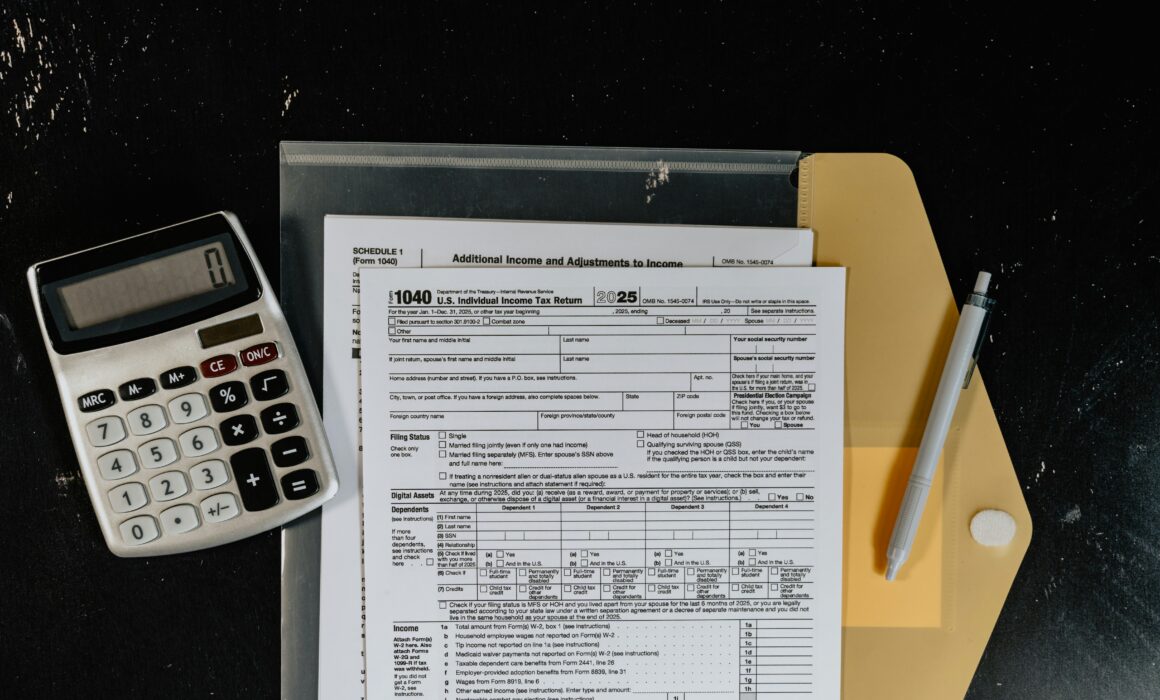
The next step of how to buy a tax stamp for your suppressor task is to fill the Form 4 as per ATF regulations. This form is called the “Application for Tax Paid Transfer and Registration of Firearms” and is mandatory for legally transferring the suppressor to you.

Here are the documents needed to complete Form 4:

  • Personal Information: Your full name, current address, date of birth, and place of birth.
  • Social Security Number: It’s optional, but providing it can speed up the background check.
  • Suppressor Details: Make, model, serial number, caliber, and manufacturer of the suppressor.
  • Passport-Style Photograph: A recent photo taken within the last year.
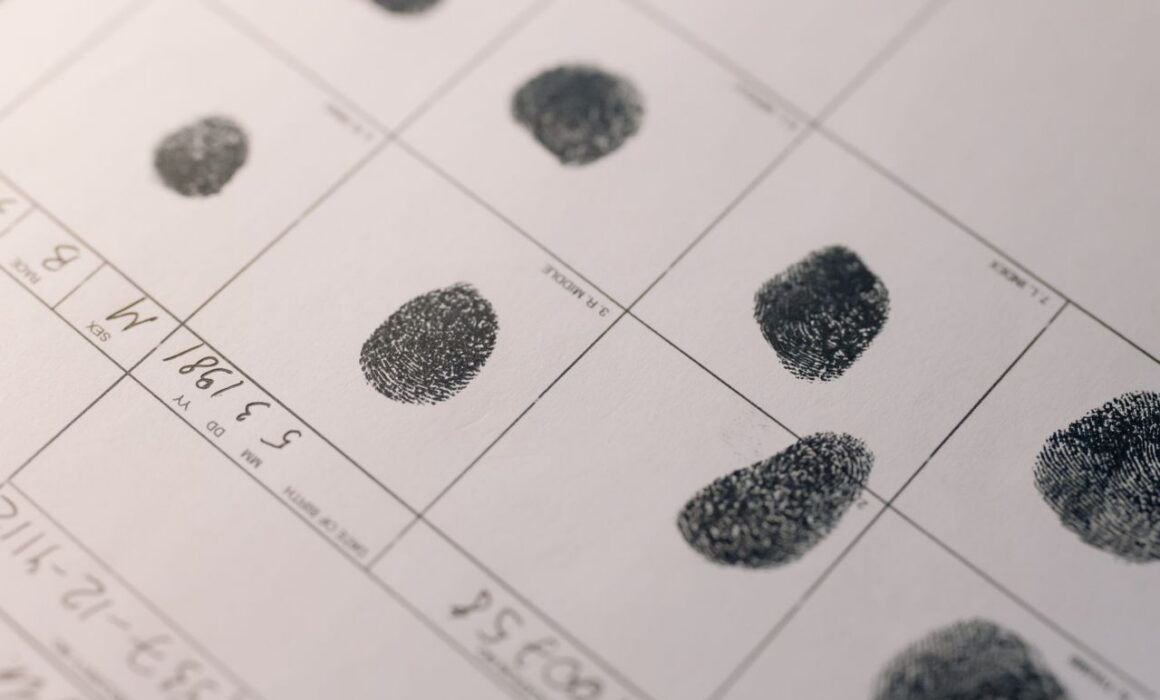
  • Fingerprint Cards: Two copies of your fingerprints on ATF Compliant FD-258 Fingerprint Cards.
  • Trust or Legal Entity Documents (if applicable): If you’re purchasing through a trust or corporation, include the relevant legal paperwork.

Get Fingerprinted and Photographed

After having the said documents on hand, you’ll get photographed and fingerprinted. For that, you can visit a local law enforcement agency or an authorized fingerprinting service to get your fingerprints taken. But make sure they use the ATF Compliant FD-258 Fingerprint Cards  FBI’s standard fingerprint cards (Form FD-258). Then, obtain a clear passport-style photo with the head and shoulders shot against a plain background.

Notify the Chief Law Enforcement Officer (CLEO)

Earlier, it was mandatory to get signatures from the CLEO, but it’s now changed. Now, you’re only required to notify them of your intent to purchase a suppressor. Here’s what to do:

  • Copy of Form 4: Send a copy of your completed Form 4 to your local CLEO—the said person could be your county sheriff or chief of police.
  • No Action Required from CLEO: They don’t need to approve or sign anything; this step is purely for notification purposes.

Pay the $200 Transfer Tax

As we explained earlier, each suppressor purchase requires a $200 tax payment mandated by the National Firearms Act (NFA). Here’s how to handle it:

  • Prepare Payment: Write a check or money order payable to the “Bureau of Alcohol, Tobacco, Firearms and Explosives.”
  • Note Down the Serial Number: When submitting your $200 tax stamp payment for a silencer, make sure to write the serial number of the suppressor on the check to help the ATF accurately process your payment for the correct item. 
  • Payment Options: Some dealers may accept credit card payments for the tax—confirm with your dealer if this option is available.
  • Separate Payment: Remember, the $200 tax is separate from the cost of the suppressor itself.

Submit the Completed Application 

With all documents in hand, it’s time to submit your application. So review it and make sure all sections of Form 4 are completed accurately. If there’s a mistake, the approval will take very long.

The packet you prepare to mail should contain the following: 

  • Completed and signed Form 4
  • Two fingerprint cards
  • Passport-style photograph
  • $200 tax payment
  • Trust or legal entity documents (if applicable)

After checking everything, send everything to the ATF at the address specified on Form 4. Your dealer may offer to handle this step for you.

Wait for the ATF to Issue the Tax Stamp

Now comes the waiting period. The ATF will review your application. The process used to take anywhere from 6 to 12 months or longer, but this waiting period is now greatly reduced. During this time, they’ll do a thorough background check to make sure you’re eligible to own a suppressor

Unfortunately, there’s no way to expedite this process, so you’ll have to wait before the approval comes in. Regularly checking in with your dealer can keep you informed, but they don’t have control over the approval timing.

Once approved, the ATF will send the tax stamp to your dealer, who will notify you when your suppressor is ready. You’ll complete any final paperwork at the shop.

It’s good to keep a copy of your tax stamp and Form 4 with your suppressor. You can laminate the tax stamp or keep a digital copy on the phone so you don’t lose the records.

How Long Does it Take to Get a Suppressor Tax Stamp?

How long you wait to receive your suppressor tax stamp largely depends on the method you use to submit your application. Here are the two standard ways to do that: 

  1. Paper Form 4 Submission
  2. Electronic Form 4 (eForm) Submission

Paper Form 4 Submission

If you submit a paper Form 4, you’re in for a longer wait time because these submissions can take time. The wait period is because of the manual data entry and processing by the ATF.

Let’s say you mailed your application in January. You might not receive approval until September or later—such a lengthy wait can be frustrating, but we don’t have a choice here. 

Electronic Form 4 (eForm) Submission

The ATF has now introduced the eForm system to speed up the application process. You can noticeably reduce the waiting period by submitting an electronic form as it usually takes 90 to 180 days.

I’ve heard from fellow shooters who received their tax stamps in as little as 60 days using the eForm system — the faster turnaround surely makes the electronic method an attractive option.

Go to Liberty Cans to Get a Tax Stamp for Your Suppressor

When you make up your mind about adding a suppressor to your gear, swing by Liberty Cans, and we’ll make the whole tax stamp process a breeze. 

It doesn’t matter if you choose the speedy eForm option and get things wrapped up faster or go traditional with a paper Form 4, which can stretch; we’ve got your back. 

We double-check your application to make sure everything’s spot on, which is super important to avoid any delays. We’ll also keep you in the loop with updates on your application and offer pro tips on getting your firearm ready for the suppressor. 

So, team up with Liberty Cans and breeze through the process. Patience pays off, and soon, you’ll have your suppressor, all legal and hassle-free!

FAQs

Is the tax amount the same for all suppressors?

 Yes, the tax amount is consistently $200 for each suppressor, regardless of the type or size. 

Do you need to update the tax stamp if you get a new suppressor or silencer?

Yes. a tax stamp is required for each suppressor you purchase. So, if you’re planning to buy multiple suppressors, you’ll have to pay the $200 tax and complete the application process for each one.

Can you transfer a suppressor tax stamp to another person? 

You may do it but only through a formal process. The new owner must complete a Form 4 transfer application and pay the $200 transfer fee to legally acquire the suppressor.

How long is a suppressor tax stamp valid? 

A suppressor tax stamp is valid as long as you own the suppressor. There is no expiration date, but you must maintain possession of the tax stamp for legal verification.

What happens if you lose your suppressor tax stamp? 

If you lose your tax stamp, contact the ATF to request a replacement. But try to keep its copy to avoid the extra hassle. 

Bulletin Board

How Does a Silencer Work? The Science Behind Sound Suppression

Firearm silencers, or suppressors, have a long history in shooting culture. But how does a silencer work?

Many gun owners see silencers as devices that render guns nearly silent, like in the movies. However, that’s not exactly true. 

In reality, suppressors are precision-engineered tools designed to reduce noise — not eliminate it. 

In this post, we’ll cover how these devices work. We’ll also discuss the science of sound suppression and the practical benefits of silencers for firearm users.

What is a Silencer, and How Does it Differ from a Suppressor?

The terms silencer and suppressor are often used interchangeably. Technically, they mean slightly different things. 

The term “silencer” was popularized in the early 1900s by Hiram Percy Maxim, who patented one of the first commercially available sound-reducing devices for firearms. 

While “silencer” suggests total quiet, “suppressor” more accurately describes the function of these devices. That’s because they suppress or reduce sound rather than silencing it altogether.

With the difference explained, a silencer or suppressor is a device that reduces the noise produced when a firearm is fired. 

Today, suppressors are used by civilian, military, and law enforcement personnel to make shooting safer and more controlled. 

They’re available in different designs and types, each suited to specific firearm applications.

How is Gunfire Noise Produced?

Understanding how a silencer works helps to know what makes gunfire so loud in the first place. When a gun is fired, it generates noise through three primary components:

  1. Muzzle Blast: Most of a gun’s noise comes from the explosion of gases that propel the bullet out of the barrel. When these high-pressure gases exit the barrel and encounter the lower-pressure atmosphere, they create a loud blast similar to a mini sonic boom.
  2. Sonic Boom: When bullets travel faster than the speed of sound (about 1,125 feet per second at sea level), they create a small shockwave or “sonic boom,” adding to the overall noise.
  3. Mechanical Noise: Guns also create mechanical sounds as moving parts (like the bolt or slide) cycle during firing. While these sounds are minor compared to the muzzle blast, they still contribute to the overall noise level. The person firing the gun may hear these sounds more clearly. 

These sounds together make unmoderated gunfire extremely loud. In most cases, it’s loud enough to damage hearing if experienced without protection.

How Does a Silencer Work?

A silencer’s design specifically targets the muzzle blast and, to some extent, the sonic boom. Here are the key principles that allow it to reduce noise include:

Deceleration of Expanding Gases

When a gun is fired, hot gases expand rapidly and rush out of the barrel behind the bullet. 

Suppressors are engineered to slow down these gases and reduce their pressure by temporarily containing them. 

The suppressor’s interior has several chambers or baffles. These create barriers for the gases, slowing and cooling them before they exit the suppressor.

Internal Baffle Design

Baffles are carefully designed plates or cones stacked within the suppressor. 

As the gas passes through these baffles, it changes direction multiple times, slowing down and losing energy. 

This gas speed and pressure reduction lowers the noise as it leaves the suppressor. 

But that’s not all — the baffles also cool the gases. The temperature drop reduces the explosive energy and lowers the decibel level.

Lengthening the Duration of the Gas Release

Keeping the gases inside the suppressor longer reduces the peak noise level. 

Instead of the sharp, sudden blast of gas escaping all at once, the suppressor stretches the release over a slightly longer time, making the sound softer to the human ear.

Together, these principles and mechanics allow a suppressor or silencer to reduce the volume of a gunshot. Silencers can reduce the sound by 20 to 35 decibels. However, the level of reduction also depends on the firearm.

Although silencers don’t make the gun silent, firing is much safer for hearing and less disruptive.

Types of Suppressors

Suppressors come in various designs that suit specific types of firearms or use cases. The most common types include:

  • Direct-Thread Suppressors: These are threaded directly onto the gun’s muzzle. They offer a secure connection and straightforward attachment. While durable, they can be more challenging to remove after heavy use.
  • Quick-Detach Suppressors: These attach to a gun’s muzzle device and allow quick removal and swapping between firearms. They’re popular for shooters who frequently change setups.
  • Integral Suppressors: Unlike the above types, integral suppressors are built directly into the barrel. They’re basically a part of the firearm. And as a result, they’re a bit more streamlined. They can even be quieter than others as they’re optimized for that specific firearm.
  • Multi-Caliber and Modular Suppressors: These multi-purpose suppressors can be used with multiple calibers and offer different noise-reduction levels. They provide great flexibility. Gun owners with a variety of firearms should go for these suppressors, as they can work with multiple firearms. 

The materials used in suppressors, such as stainless steel, aluminum, and titanium, affect their weight, durability, and heat dissipation. High-grade materials like titanium are more durable but also more expensive.

Limitations of Silencers and Common Challenges

While suppressors are effective, they do have limitations:

  • Sound Reduction Limits: Even the most advanced suppressors can only reduce sound to a certain extent. Suppressed gunfire is still loud enough that hearing protection is often recommended.
  • Impact on Accuracy and Performance: Suppressors add weight to the end of the barrel, which can slightly alter the firearm’s balance and accuracy. In some cases, this weight may help reduce recoil but can also change how the shooter handles the firearm.
  • Legal Restrictions: In many places, suppressors are subject to strict regulations. Understanding and following these laws is crucial for lawful ownership and use.

Despite these challenges, suppressors are valuable tools that make shooting safer and less disruptive.

Benefits of Using a Firearm Silencer 

Silencers or suppressors offer some practical benefits in different situations:

Hearing Protection

Gunshots can be quite loud. Those with sensitive hearing may find the noise unbearable. With some firearms, there may even be the risk of hearing loss/damage.

Suppressors reduce the risk of hearing damage by lowering the intensity of gunfire noise. This is particularly important for hunters, target shooters, and others exposed to repeated gunfire.

But it’s also good for those standing near the shooter. They don’t necessarily have to cover their ears. 

Reduced Noise Pollution

Suppressors can reduce the impact of noise on surrounding communities. 

For outdoor ranges near populated areas, suppressors can help decrease noise complaints and environmental disturbance.

If you use your firearm for hunting, silencers may also prevent game from hearing a shot and running away. 

Improved Control and Accuracy

By reducing the recoil and muzzle rise associated with firing, suppressors can improve a shooter’s control and follow-up accuracy. That may come in handy with rapid or repeated shots.

In military and law enforcement, suppressors also help preserve situational awareness by reducing the need for large hearing protection, like earmuffs. 

A shooter can still communicate with others and stay alert during operations. 

Choose the Right Suppressor for Your Firearm

Silencers or suppressors offer a fascinating blend of physics and engineering. They allow shooters to mitigate the harsh sounds of gunfire without entirely eliminating them. 

These devices control and cool the gases that create gunfire’s characteristic noise. While limitations remain, suppressors significantly benefit safety, environmental impact, and shooting performance.

As technology advances, suppressors may evolve, further improving noise reduction and practicality. Understanding the science behind these devices helps us appreciate the care that goes into their design and their role in making shooting safer and more accessible.

If you’re looking for high-quality suppressors, look no further than Liberty Suppressors. You’ll find a large variety and lots of information from our experts to help you make the right choice. 

FAQs

Do silencers slow down bullets?

Most silencers do not significantly slow down bullets, as they suppress noise rather than alter bullet velocity. 

However, integral suppressors or specialized subsonic ammunition may sometimes result in slower speeds (if made to slow the bullet).

Can you still hear a gun with a silencer?

Even with a suppressor, gunfire is still audible. But it’s quieter than unsuppressed shots. 

A silencer typically reduces the sound by 20-35 decibels. So, the noise is less intense but still loud enough to be heard.

How long will a silencer last?

A silencer’s lifespan depends on construction materials, usage frequency, and maintenance. A high-quality suppressor can last tens of thousands of rounds. 

With proper care, many suppressors can last a lifetime or at least serve for many years.

How loud is a gunshot?

A gunshot typically ranges between 140 to 190 decibels, depending on the type of firearm, ammunition, and environment. 

This level is loud enough to cause immediate hearing damage if experienced without ear protection. 

This range exceeds the safe listening threshold of around 85 decibels.

Bulletin Board

Silencer vs Suppressor: Understanding the Differences

Shooting your firearm and creating little recoil or muzzle flash seems like some action hero-level stuff. For that, we have two options: a silencer and a suppressor— both aimed to reduce a gun’s recoil and decrease the pressure and sound it creates.

But as the names give away, a silencer and a suppressor are supposed to do two different tasks. As a result, hunters, shooters, and gun geeks can feel unclear which of these cans will suit them the best. 

If you’re also one of these firearm geeks who wants the best accessories to make hunting and shooting more fun, we got you. In this guide, we’ll list the differences between a silencer vs suppressor and understand how they work so you can pick one with no doubt in mind. 

So keep reading, and let’s see how a silencer and a suppressor stand apart from each other. 

Silencer vs Suppressor: Terminology

Silencer vs. suppressor, is there a big difference between the two? The short answer is no — the terms silencer and suppressor refer to the same type of device. Notably, the confusion stems from historical and technical perspectives. 

The term silencer was coined by Hiram Percy Maxim, who patented his invention in 1909 under that name. He designed the first silencer to reduce the noise of firearms, and the name stuck, especially in legal documents. For example, the National Firearms Act (NFA) in the United States uses “silencer” in its regulations.

On the other hand, many firearm experts prefer calling the noise and flash-reducing device a suppressor. That’s because these devices don’t completely silence a firearm, they only suppress the sound to a safer and more manageable level. 

When you fire a gun, the loud noise comes from high-pressure gasses escaping the barrel, and the sonic boom of the bullet breaks the sound barrier. That’s when a suppressor slows down and cools these gasses to reduce the noise — but it cannot completely end the sound. 

Therefore, calling these tools suppressors sets realistic expectations, because they do not ‘silence’ a shot in the literal sense. If you’re considering getting one, know that it only minimizes a bullet’s impact. For instance, attaching a suppressor to your rifle may reduce the noise level by about 30 decibels so it is more comfortable for your ears.

Silencer vs Suppressor: Design

Although there are some design disparities when we closely look at a silencer vs suppressor, their core components are the same. Here’s what you’ll always find in a firearm noise-controlling device, whether it’s named a silencer or a suppressor: 

  1. Outer Tube: The outer tube is the main body that houses the internal components. It’s made from stainless steel, titanium, or aluminum to withstand high pressures and temperatures.
  2. Baffles: Inside the tube, a series of baffles slow down and cool the gasses that are escaping from the gun’s muzzle. The design and arrangement of these baffles are crucial for effective sound suppression.
  3. End Caps: The front and rear end caps seal the suppressor. The rear attaches to the firearm, while the front lets the bullet exit while containing the gasses.
  4. Mounting System: The mounting system connects the suppressor or silencer to the firearm. 

Based on a suppressor or silencer’s design, here are some of the types and firearms they suit:

Rimfire Suppressors

Rimfire suppressors suit calibers like .22 LR so they are lightweight and easy to handle. For example, if you target shoot with a .22 pistol, a rimfire suppressor made of aluminum is a good pick.

Centerfire Rifle Suppressors

Centerfire suppressors are built for higher-pressure calibers like .308 Winchester and use robust materials like stainless steel or titanium. If you’re into long-range shooting, a titanium suppressor may offer the durability and sound reduction you need. 

Pistol Suppressors

Pistol suppressors often include a Nielsen device (booster) to ensure semi-automatic pistols cycle properly. For your 9mm handgun, a suppressor with a recoil booster mount works well.

Besides these standard-looking suppressors, you can also get one that gets integrated into the firearm’s barrel. These offer a sleek profile and excellent sound suppression. An integrated suppressor is also perfect if you want a suppressor without the added length. But know that these can be more expensive, starting around $1,000.

Silencer vs Suppressor: Purpose

The main purpose of silencers and suppressors is to reduce the sound produced when a firearm is discharged. As we explained when you fire a gun, the explosion of gunpowder creates high-pressure gasses that exit the barrel and produce a loud noise. 

Therefore, a tool is used to slow down and cool these gasses — the said tool could be either called a silencer or suppressor. For example, if you’re hunting, a suppressor can reduce the risk of startling wildlife with loud gunfire. 

Perceived Differences in Purpose

Some believe that a silencer completely ends the sound of a gunshot, while a suppressor only reduces it. This perception comes from movies and media where silencers are portrayed as making firearms nearly silent. But in reality, no device can entirely silence a gunshot, they can only suppress it to safer levels — so set realistic expectations. 

Beyond sound reduction, suppressors offer the following benefits:

  1. Recoil Reduction

Controlling the escape of gasses helps these cans reduce felt recoil, so the shooting is more comfortable, and your accuracy is higher. If you’re practicing at the range, less recoil means you can shoot longer without fatigue.

  1. Muzzle Flash Suppression

Suppressors reduce the visible flash when a gun is fired, which is helpful in low-light conditions since it prevents temporary blindness from the bright flash. If you’re in a tactical situation or hunting at dawn or dusk, a lower muzzle flash gives you an advantage since the target doesn’t get startled this way.

Silencer vs Suppressor: How Much Sound Do They Reduce? 

Sound is measured in decibels (dB), and the scale is logarithmic, which means a small increase in decibels represents a major increase in sound intensity. For example, a typical conversation is around 60 dB, while a jet engine can reach 140 dB.

If we talk about firearms, the sound levels are high enough to cause immediate hearing damage without protection. A .22 LR rifle produces about 140 dB, while larger calibers like a .308 Winchester can reach 160 dB or more.

On average, a suppressor can reduce the sound by 20 to 35 dB.

For example:

  • Rimfire Suppressors: When you use a .22 LR rifle, the suppressor may reduce the sound from 140 dB to around 110 dB. 
  • Centerfire Rifle Suppressors: A suppressor on a .308 Winchester can lower the noise from 160 dB to approximately 130 dB. While still loud, it’s a notable reduction that can protect your hearing.
  • Pistol Suppressors: For a 9mm handgun producing around 160 dB, a suppressor can reduce the sound to about 125 dB.

Get a Capable Tool For Silencing Your Shots 

Thinking about getting a suppressor? Great. It’s a smart move if you want to shoot quieter, keep the recoil down, and protect your ears. It doesn’t matter if you call it a silencer or a suppressor; it won’t make your gun silent, but it will cut down the noise a lot. 

But make sure you follow the law — register it and check local regulations. These devices fit on different guns too, as long as they match up. So just keep it clean and take good care of it, and it’ll do wonders for your shooting experience.

If you need the best suppressor for your rifle, visit Liberty Cans and our collection is bound to impress you. 

FAQs

Are suppressors legal to own and use in the United States?

Yes, suppressors are legal to own in most states across the United States, but they are regulated under the National Firearms Act (NFA). To legally purchase and possess a suppressor, you must be at least 21 years old, pass a background check, and complete the necessary paperwork with the Bureau of Alcohol, Tobacco, Firearms and Explosives (ATF). Also, owning a suppressor involves paying a $200 tax stamp and waiting for approval, which can take several months.

What is the process for purchasing a suppressor?

For that, you first need to choose a suppressor from a licensed dealer and then fill out ATF Form 4, which includes your personal information and details about the suppressor. You’ll also need to provide fingerprints and passport-style photos. After submitting the form along with the $200 tax payment, you’ll undergo a background check conducted by the ATF. Once approved, you can pick up your suppressor from the dealer.

Can I use one suppressor on different firearms?

Yes, you can use a suppressor on multiple firearms, provided the suppressor is compatible with the calibers and mounting systems of those firearms. Some suppressors are designed to be multi-caliber so you can use them with a range of calibers. For example, a suppressor rated for .30 caliber can often be used with .308 Winchester, .300 Blackout, and even smaller calibers like .223 Remington. 

Do suppressors affect the accuracy of a firearm?

Suppressors can actually improve the accuracy of a firearm in some cases as they add some weight to the barrel and reduce recoil. However, attaching a suppressor may change the point of impact, so it’s important to re-zero your firearm after installing one.

Bulletin Board

450 Bushmaster Silencer for Deer Hunting

450 Bushmaster Silencer for hunting

The firs thing that comes to mind when you think of a deer rifle is usually one of the classic rounds like 308 or 30-06 and even the venerable 30-30 come to mind. The truth is that now there is an incredible amount of amazing cartridges to choose from today. It would be easy to get overwhelmed with all the choices out there. The 450 Bushmaster silencer equipped rifle is in our opinion, the way to go today.

The truth is that there are plenty of rounds that will dispatch a deer with ease. But why do we here at Liberty gravitate to certain calibers? We like them for their suppressed appeal. A silencer makes all events involving a firearm more enjoyable especially hunting. A 450 bushmaster silencer is one of those designs that goes without saying to be honest about it.

silencer suppressor carbine AR15 450 Bushmaster Silencer

Choose something like the above photo of an AR chassis rifle with a Goliath big bore suppressor and you are set! The magic really happens when you get out into the field with subsonic ammunition though. Back in the day, the 30-30 was lauded for it’s ability to “shoot through brush” as was the 35 Remington but now we have rounds with bullet weights 3 or 4 times that of the 30-30 and these are the real masters of a brush gun!

The measured suppression levels of the 450 bushmaster are really good. This round is an amazing cartridge and will fit almost all eastern US deer hunters needs perfectly. The usual range for these encounters in less than 200 yards with a lot of them being less than 100 yards. So you can see how a big, slow projectile running at subsonic speeds would be the best solution as long as your rifle has a good suppressor on it. A silencer like the Liberty Suppressors Goliath is one such silencer. It is quite possibly the best 450 Bushmaster Silencer in our opinion too. Even for the size, it is really light due to the use of titanium in the tube and core. We use interchangeable inserts to augment the thread sizes and this adapts to fit many different rifles with a simple mount change.

If you have not considered using a quality silencer in your hunting endeavors, I recommend giving it a try! We love using them and are confident you will too. Just hop over to the webstore where there is a tone of information about oursilencers!

Bulletin Board

Integrally Suppressed AR Upper Usage

Why build on an integrally suppressed ar upper?

Leonidas Gen 2 main image - 300 blackout integral rifle silencer - best 300 blackout

Integrally Suppressed AR Upper

When choosing a host weapon for an integral silencer build, the choice has lately has been to build on the ambiguous AR chassis. The integrally suppressed ar upper has become the main platform for these next generation builds. The main reasons are two fold, the parts are plentiful and interchangeable. Price is another aspect, but it is a lesser spec from what we are seeing. People like to use custom built lowers and things these days and it is easy to just drop a prebuilt upper on your favorite lower and hit the range.

When this is done the guns can be made universal so that we can make them fit many aftermarket parts. When we build an integrally suppressed ar upper into something like the Zulu shown above, we will use high quality components. Aftermarket parts can be sourced easily by the end user should they want to customize it at some point. Parts from places like Aero Precision and St. Croix are just some of the brands we use. This is because we want to give our users the most choices possible when it comes to customizing their build.

The Future…

Until there is a more adaptable and wide spread design that hits the market, AR chassises will dominate. We think the integrally suppressed ar upper will carry on as the choice for project builders all over the country. When we chose to build our two most popular integrals, this was a choice that was paramount for us. The AR platform is also the most common and this made the most sense to us as well. You want to serve as many people as possible when you offer a product to the market. This made the AR chassis the obvious choice as well. We will get questions about why we didn’t use the SIG or the (insert any number of other kinda of firearms here). This does come up pretty often, but in the end it turns out that the most use this platform. The others usually learn we do custom builds and them move over to that conversation instead.

Bulletin Board

Multi Cal Suppressor ?

multi cal suppressor mystic x

Multi Cal Suppressor Application

When we desgined our multi cal suppressor, we wanted to make it enduring. The Mystic X is the best multi cal suppressor in our opinion and here is why we think so. First of all, it has legacy and has a decade of refinement under its belt. This also makes it one of the most refined silencers on the market too. It doesn’t have a ton of flashy widgets like screw together segments or use ultra exotic metals. Well, maybe titanium and high grade stainless steel are such metals after all…

Mystic X Silencer

The Mystic X is, in our opinion, the perfect first time buyers silencer. This goes hand in hand with a great multi cal suppressor as well. Since it is a great split purpose suppressor, it works really well on a whole plethora of firearms. The first time buyer is one who usually wants to test the waters to see what guns they prefer to silence. The Mystic X silencer is perfect for this role since it covers such a wide range of calibers. The silencer is also a perfect match since it has a take apart design allowing for easy cleaning. The end user is able to clean the suppressor after shooting particularly dirty calibers. The 22LR family as well as the 9mm and cast 38 Special calibers are all particularly dirty when it comes to cleaning the suppressor.

Pictured above is the Mystic X with a MAAD Mount and our H.A.T.E. Ring adapter for just one of many QD operations.

If you have been looking for a first suppressor, the Mystic X is really worth a look. The feature set alone makes it a great contender. We look at things like mounting options and even offer to make custom mounts if needed. Where else do you get that kind of service? No where is the answers to that! Aside from all those reasons, the next thing is that we are here to support you if needed. The Liberty team will answer the phone or call you back if we are busy at that moment and take care of your concern.

The support system for the Mystic X alone makes it a great choice for a multi cal suppressor. That is what we think of when we think of a multi cal silencer. We think you will agree when you see one too.

Bulletin Board

IDF 10/22 Clone Integrally Suppressed System

idf 10/22 clone reference photo

You can see in the picture above what is believed to be an IDF soldier fielding an original Ruger 10/22 Integral built rifle. The IDF 10/22 Clone project was basically a modified standard 10/22 with a big fat silencer to hush up the whole thing. They built the original gun for supersonic ammunition is my speculation. They most likely ported it to bleed off velocity to prevent the rounds from reaching the supersonic threshold. I am speculating a lot here as I have never been able to lay eyes on an original sample. On top of that, I have also not been able to see one dismantled either.

IDF 10/22 Clone by Liberty Suppressors

When we designed our clone of this exotic weapons system, we chose to use a standard 10/22 as well. Instead of porting the barrel on our IDF 10/22 Clone, we chose to simply recommend subsonic ammunition. Subsonic ammunition is plentiful today and ported designs are maintenance nightmares for the end user. The whole space where the porting occurs will build up material very quickly requiring a stringent maintenance regimen. The silencer will soon fail to work properly. The rounds easily going supersonic due to the port region being plugged with debris.

We also chose to make the design different in another way simply because of US late regarding the ownership of silencers. Choosing to use a stainless steel core and a titanium tube made the build much more durable. We would have liked to use aluminum like the original no about had, but it is not maintenance friendly. This is not a problem for any army as they will simple destry the non-serviceable unit and simply buy a new one to replace it with.

IDF 10/22 clone suppressed barrel
IDF 10/22 suppressed barrel

I have here a picture of our IDF 10/22 Clone and you can see some of the subtle differences. The first difference is that we cut our knurling in a turning center and the original is traditional french knurls. We diligently worked on making our clone look as close to the original as possible. We wanted the end user to have a better experience as the original military personnel that fielded these rigs.

This project is one of our favorite integrals to shoot and for good reason. It is absolutely dead ringer quiet. Give us a call or shoot us an email and we will get you squared away ASAP.

Bulletin Board

.308 Suppressor Thoughts

.308 Suppressor Designs

There are a ton of .308 suppressor designs out there on the market today. We have stayed with the monolithic core design for several reasons though. Our silencers in this category have several features that are not available in other assembly techniques. Things like being able to replace the core if it gets damaged is a big one. The rear mounting section can be easily replaced if say you drop it on the threads. We offer models that have replaceable front and rear caps so it is a simple operation to replace these items should they become damaged.

The Amendment 308 silencer is a great .308 suppressor.

Options for many uses

We make many different models that will cover this wonderful caliber. Models like our Mystic X for one can be used as a .308 suppressor even though it is actually a great multi caliber suppressor. Our Amendment is a no frills model that is great if you want to dedicate a silencer to one host weapon and just leave it there. Our Sovereign is a great titanium suppressor that has a plethora of features that run the gambit of options available.

The Mystic X while being fairly small, works really well in this class for suppression. The Mystic X is used regularly by many as a hunting rifle silencer once it is outfitted with one of our suppressor covers. It’s light weight combined with the massive catalog of adapters makes it an obvious choice for this role.

The Amendment is our latest addition to this caliber. This silencer was designed from the outset to cover the bases needed and nothing more. It doesn’t have interchangeable…anything. It direct threads to a 5/8-24 threaded muzzle and just makes it quiet. No fancy front cap machining or anything like that makes it VERY budget friendly when it comes to a great .308 suppressor.

sovereign rifle silencer .308 suppressor

The Sovereign is our flagship .308 suppressor and should be considered if you are serious about weight reduction compared to stainless models. The excellent suppression and the ability to mount it over our muzzle brakes and flash hiders as well. We love this silencer in particular for these features and the fact that it looks so darn cool as well. Did I mention it ships with an Armageddon Gear mirage cover so it works better in the field as well.

No matter what your .308 suppressor needs we have you covered here at Liberty Suppressors.

Bulletin Board

Best Integrally Suppressed 300 Blk Upper or Muzzle can?

Best integrally suppressed 300 BLK upper points to consider

W have been building some the best integrally suppressed 300 blk upper designs for over 10 years at this point. The first time we debuted our original Leonidas integral at the Silencer Shoot in Dallas TX, it was received with much praise and loved by everyone. This is a photo from that day, just look at all those vintage widgets on that thing!

We love taking the Leonidas integral AR15 to the range for people to shoot. Best integrally suppressed 300 BLK upper
We love taking the Leonidas integral AR15 to the range for people to shoot.

We did a bunch of special things in that design that were never really done before with an AR15 upper integral in a centerfire caliber. One of the most curious things was that we designed the silencer in such a way that we captured the gas block inside the suppressor module. This allowed two things to happen at once that we liked.One thing was that it captured the leaking gasses from the gas block inside the suppressor. The other thing it did was allow us to make the internal volume of the silencer much larger. Did I mention that larger is better? There old adage that “there is no replacement for displacement” rings true not only in the car industry. This same adage rings true in the silencer world too.

This broke the boundary of suppression for this cartridge when we did this and made the best integrally suppressed 300 blk upper a distinct possibility for our Leonidas project. Do we know with absolute certainty that it is the best integrally suppressed 300 blk upper? No, because we can not possibly know where all these build reside nor do we have the ability to test them scientifically. But one thing is for cure, we had a winner with the original…

Enter the next evolution…

Leonidas Gen 2 main image - 300 blackout integral rifle silencer - best 300 blackout

This build was well received for many years but we here at Liberty can not leave well enough alone and over time, Noah saw things he felt could use improvement with the Leonidas project and after much discussion the Leonidas Gen 2 was born! With the Leonidas Gen 2 we were able to shorten the over all length by 1.5″ thereby moving the center of gravity back some. We also updated the barrel with a tighter twist rate and length to better match more modern loads and heavy bullets at subsonic speeds. We also changed the supplier of the rail and upper housing to Aero Precision with their monolithic design with M-LOK support. All of this and we still shaving a whopping 9dB off of the sound signature! You have heard of the fictional guns that sound like a pneumatic stapler? This is one of those guns…

Here is another little tidbit that goes into these kinds of builds, we brought a lot of tech from the Gen 1 Leonidas over to the Gen 2 version, but we also made many updates to improve the weapon system overall. One such change is the gas block, we have long since made our own gas blocks for our Leonidas builds here at Liberty Suppressors, but with the Leonidas Gen 2 we sent a step further and add a gas adjust to the gas block so now you can tune the gas system to your specific cartridge for best performance overall.

All of this while still maintaining a single stamp footprint! It seems the best integrally suppressed 300 blk upper just got a whole lot better! Sop if you interested in one of the best integrally suppressed 300 blk upper designs out there, look no further than Liberty…

Bulletin Board

A 308 Suppressor Understanding

308 Suppressor Information

When the term 308 suppressor comes up, most people never bat an eye at their favorite rifle silencer and just what is going on in that thing when you use it on your favorite rifle. The need for a silencer that can handle 15,000 PSI momentarily and the shock of going from ambient atmosphere to this kind of pressure also requires certain design specs.

sovereign mount 308 suppressor

Silencer Material

The material for a 308 suppressor needs to have certain characteristics. Things like high strength and shock resistance are really obvious, but it also needs to be light weight to be able to be fielded without causing undue fatigue with the end user. A hunter carrying a rifle equipped with a silencer doesn’t want a lot of additional weight hanging on the end of the barrel. The only adage of ounces equal pounds and pounds equal pain still applies no matter how cool you look with your suppressor… It also needs to have good thermal properties as well. The metal needs a really high melting point…for obvious reasons, but it also needs good thermal reactance or minimal growth from heating. This allows the suppressor to maintain it’s original form longer and this reduces deviations in the suppressor so point of impact is altered less. This equates to a better grouping suppressor and rifle combination.

308 Suppressor Size

This seems obvious also, but you have to consider that we have been in the business so long that we have seen several trends come and go over the years. Trends like the 10″ long rifle cans (which produced a wonderful deep tone by the way) to the super short “knocking off the edge” stubby rifle cans of a few years ago to the newer mid range and larger diameter designs of today that range in the 7 to 8″ size frame but are 1 5/8″ to 1 3/4″ diameter size instead. All of these designs have their own merits but the team at Liberty has always thought that sound performance should be the first and foremost spec. Due to this philosophy, we have never really embraced the little tiny silencers but have stayed true to our mission and kept them more reasonable in size. This means we made 308 suppressor designs that were longer at times to get better tonal performance or we made specialized baffle designs like our fabled Square Bore Technology in the Freedom series of silencers. I hope these things have shed some light on your 308 suppressor needs and help you to understand what makes a silencer like this good.

Bulletin Board

Best Multi Caliber Suppressor Attributes

best multi caliber suppressor

Best Multi Caliber Suppressor Idea

When thinking of what makes the best multi caliber suppressor, one has to look at what they need in a silencer like this. The suppressor needs to be versatile, yes, but it also needs some other things to make it more useful in a variety of roles. We have been making multi purpose silencers for a very long time, so we feel we can speak on this subject with confidence.

The first thing that comes to mind is obvious, the best multi caliber suppressor needs to handle a huge amount of caliber variations. This can be genre specific or it can cover a ton of different areas. Things like rimfire firearms and centerfire pistol calibers are just a few.

Rifle/Pistol/Rimfire or what?

Does a multi purpose silencer have to fit every role imaginable? No. It only has to fit the roles it is designed for really well. The Infiniti X fits many roles well and several incredibly well. Just to name a few things that this suppressors has been used on with great success are.

  1. Booster Operated Pistol Silecner
  2. Non-booster Operated Pistol Silencer (Usually Rimfire but some centerfire too)
  3. Direct Thread Hunting Rifle Suppressor
  4. Direct Thread Carbine Suppressor
  5. Direct Thread Precision Rifle Suppressor
  6. Direct Thread Rimfire firearms in general.

I am sure there are more but I cant think of them at the time of this writing. The Infiniti X excels at all of these roles and weighs almost nothing while doing it. The weight is actually why it works so well in pistol and hunting rifle applications, it is not a burden to carry.

There are other silencers that have been classed as the best multi caliber suppressor, but the opinion of Liberty Suppressors is the Mystic X silencer are the absolute best. Some might consider our opinion biased, but it can be right too… We love our multi purpose silencers and we feel you will too. If you want to know more, you can find more info on our website at the links embedded in this blog post or just give us a call. We are here to help you find the right silencer for your needs.

Bulletin Board

A 350 Legend Suppressor…

Choosing a 350 Legend Suppressor is easy.

OK, now we have to look a little at what makes a good 350 Legend Suppressor. We just happen to have a one so lets take a closer look and see what we have.

The first thing a good 350 Legend Suppressor needs a to be made from durable materials. This is why we don’t use aluminum here, it has two strikes against it right out of the gate. One is low tensile strength and the other is fatigue life. The problem with aluminum for me is that fatigue issue, when it fails, it fails catastrophically when it does. This is cool if you want a dramatic show, but not so much when you want to keep your rifle nice and quiet.

silencer suppressor carbine AR15 goliath 350 legend suppressor

Special metals we do like

Metals like titanium and high grade stainless steels are our preferred metals. These metals have good cost versus features for our needs. You see, there are technically better metals out there, but they are very expensive to buy and work with in general. So it winds up costing so much more to use these special alloys. You see, no one wants to pay the price it would cost to use them. Because of these factors alone, we chose 17-4PH Stainless Steel and 6AL4V Titanium for our needs.

Our Goliath while being primarily designed for the 458 SOCOM and the 338 Lapua Magnum works exceedingly well. It can be used on many big bore cartridges available today and the 350 Legend is no exception. It is constructed mainly of titanium with a few parts made from stainless steel. The core and tube being titanium makes this silencer very light for it’s size. This was one of our primary design requirements aside from sound suppression. We wanted it to not be a burden to deploy into the field when on a hunting trip.

Sound Suppression can not be overstated…

This catagory is where we put almost all of our emphasis when we design a silencer. We feel the whole point of having the suppressor on your firearm is to reduce the sound signature. This first and foremost spec leads us to make some “out of the box” designs to make sure our users are happy. For one we design specific baffle geometry for each model that is specific for the type of rounds being used. We will sacrifice other specs for this, like size is an easy one to think of here… This is why the Goliath silencer is 2″ in diameter, it just makes sense when suppressing a 338 Lapua or 350 Legend.

All that aside a 350 Legend Suppressor like the Goliath will serve most anyone perfectly for many years. This is why we recommend it so much when we do, it just works and works really well. Be sure to consider all the aspects of a silencer when looking for your 350 Legend Suppressor and not fall for clever marketing. I hope this has helped eve na little when looking for your big bore silencer needs. If you have more questions, just reach out to us either by email or phone and we will do our best to answer your questions. Stay safe!

Bulletin Board

Multi-purpose Silencer or Dedicated Suppressor

When choosing a silencer for your project, it is important to choose one that fits your needs in the scenario that you will be using it in. This is the most common stumbling block for most first time buyers and even veteran silencer owners. Let’s take a quick look at what can be some of the criteria that should be looked at for choosing a silencer for multi purpose use or a dedicated application.

multipurpose silencer suppressor

Multipurpose Suppressor

When most people decide to get a silencer for the first time, they usually gravitate to the multipurpose silencer. This makes a lot of sense too as it gives the most versatility of use that can be had for the purchasers dollar. Sometimes this is a good thing and sometimes this is a problem. The problems come in when you want a very specific application and this application has criteria that the multipurpose suppressor can not fit in. Things like small carbine builds for mounted operations. You would definitely not want a something like the Mystic X in a situation like this. Now, multipurpose designs do have merit though so things like a rimfire rifle as well as a centerfire hunting rifle is a great application where one day you are on the square range shooting steel targets with your Infinti X multipurpose suppressor, then the next day you are in your tree stand hunting whitetail deer with your Savage Model 110 in 308 Winchester. This dual application setup is a perfect example of what a multipurpose suppressor is supposed to be used for. There are many more but this is a good one to start with

suppressor silencer carbine

Dedicated Suppressor Designs

This area is where I normally steer a more seasoned silencer owner as this is where you start to dedicate silencers to specific firearms. The most common applications for dedicated suppressor designs is like the photo above of a 556 NATO short barreled rifle and that it will see heavy use on the firing range. The Constitution 2 silencer seems to be the unit of choice for this application actually.

Another application for a dedicated silencer is on a rimfire pistol, these are very popular setups and for good reason. When people goto the range the first time to shoot a suppressed 22LR firearm, the pistol is usually what it is. If you have never used a high quality rimfire suppressor on a rimfire pistol host you are missing out. This is one of the true joys in life for the firearms enthusiast, to experience the exhilarating pleasure of shooting a quiet rimfire firearm.

My conclusion to all of this…

So here is my conclusion to this topic, at first almost all people should get a multipurpose suppressor to “dip their toes in the water” so to speak but once they have done that, the next one will be a dedicated unit to be “married” to a certain firearm. This is the logical progression in the United States with the way the process is currently structured for silencer ownership. Some people will obviously fall outside this area, but most will fit nicely inside this box and that is ok. Get your silencer and go have some fun with it.

1 2 3 4
Cart Overview