

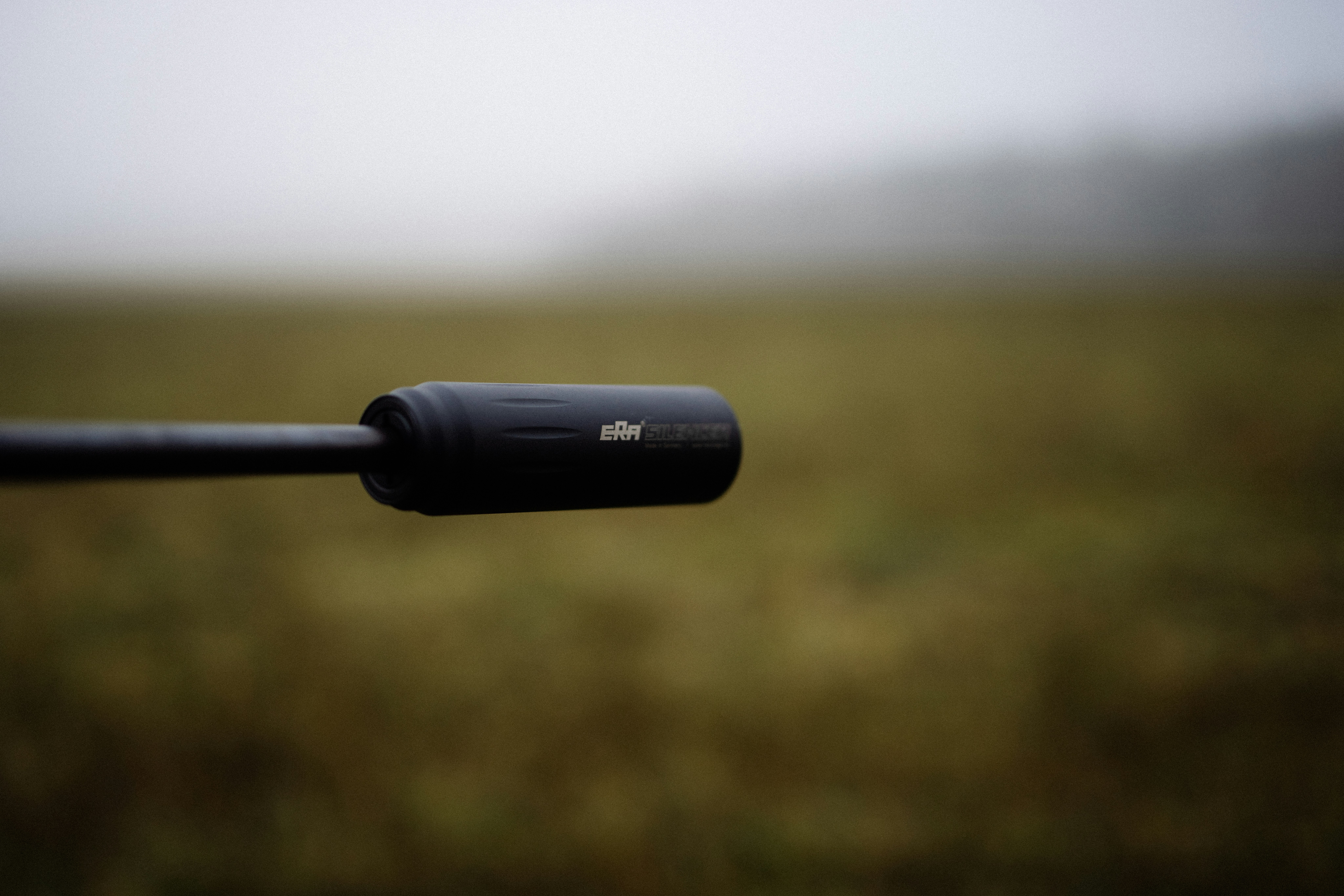
If you are getting ready to buy your first can, the idea of a silencer shop probably brings up a few quiet worries. Will the paperwork drag on for months? Are you paying for a name or for real performance?
Will the model that looks great online actually feel right on your rifle? Those questions are fair, and they matter, because where you order from shapes the whole experience and not just the number you see at checkout.
The good news is that you have more choices than you might think. Once you know what to compare, picking the right silencer shop and the right can gets a lot simpler. The trick is sorting the things that truly matter from the noise on a product page.
Why the Seller Matters as Much as the Suppressor
It is easy to stare at one product and forget about the people selling it. A can is a long-term purchase that you will own for years, so the support behind it counts. A strong seller helps you match parts, explains the steps clearly, and is still around when you have a question after the sale.
When you compare any silencer shop, look past the homepage photos. Check whether the company makes its own products or simply resells someone else’s. A maker who builds and tests in house can answer detailed questions and repair what it sells.
That kind of direct line is worth more than a small discount, and it is one of the clearest signals a silencer shop deserves your trust.
Start With the Paperwork, Not the Price Tag
Every suppressor purchase comes with federal steps, and skipping research here is the most common mistake new buyers make. Before you fall for a model, get comfortable with how transfers work, what a trust is, and how long approval usually takes.
A seller that walks you through the process is a green flag. If you want a plain explanation of the rules first, the breakdown of suppressor legal requirements is a solid starting point, since the federal side and your state side do not always line up.
Those federal rules trace back to the National Firearms Act, which every dealer has to follow. The right silencer shop will treat this part as their job, not yours alone. Knowing it early keeps the process from feeling like a maze and helps you plan around the wait instead of being surprised by it.
Match the Can to the Caliber and the Rifle
One quiet truth about suppressors is that the right pick depends heavily on what you shoot. A unit rated for a small rimfire round behaves very differently from one built for a hard-recoiling rifle, and bore sizing is part of that math.
Before ordering, confirm the can is rated for your caliber and that the bore is correct for the bullet passing through it. A mismatch is not just disappointing, it can be dangerous.
The guide on suppressor bore size walks through how to match the opening to your load so you get full performance without risking a strike. Any silencer shop worth your money will help you double-check this rather than leave you guessing.
How Mounting and Adapters Change Your Options
Two cans can look almost identical and still mount in completely different ways. Some thread straight onto the barrel. Others use a quick-detach system that lets you move one can across several guns. Each approach has trade-offs in weight, repeatability, and speed.
This is where buyers often overlook future flexibility. If you plan to own more than one firearm, a can that shares mounts across your collection saves real money over time. The overview of suppressor attachment methods compares direct thread, quick-detach, and hybrid setups so you can decide what fits your habits.
When you browse a silencer shop, ask which adapters are available and whether they sell separately, because that answer decides how useful one can will be down the road.
Sound Numbers Are Only Part of the Story
Everyone wants the quietest option, and decibel ratings are an easy thing to compare. But raw numbers rarely tell the full story. Two cans with similar ratings can sound very different at the ear, and tone matters as much as volume for comfort.
Testing conditions vary, so a number from one source may not match another. The piece on how suppressor testing works explains what those measurements actually capture and why real results can differ from a spec sheet.
It helps to know what is at stake, since unprotected gunfire can cause noise-induced hearing loss, and safety agencies publish occupational noise exposure limits that show how fast loud sound turns harmful. When you read listings at a silencer shop, treat sound data as a guide rather than gospel, and lean on demo videos or in-person experience when you can get it.
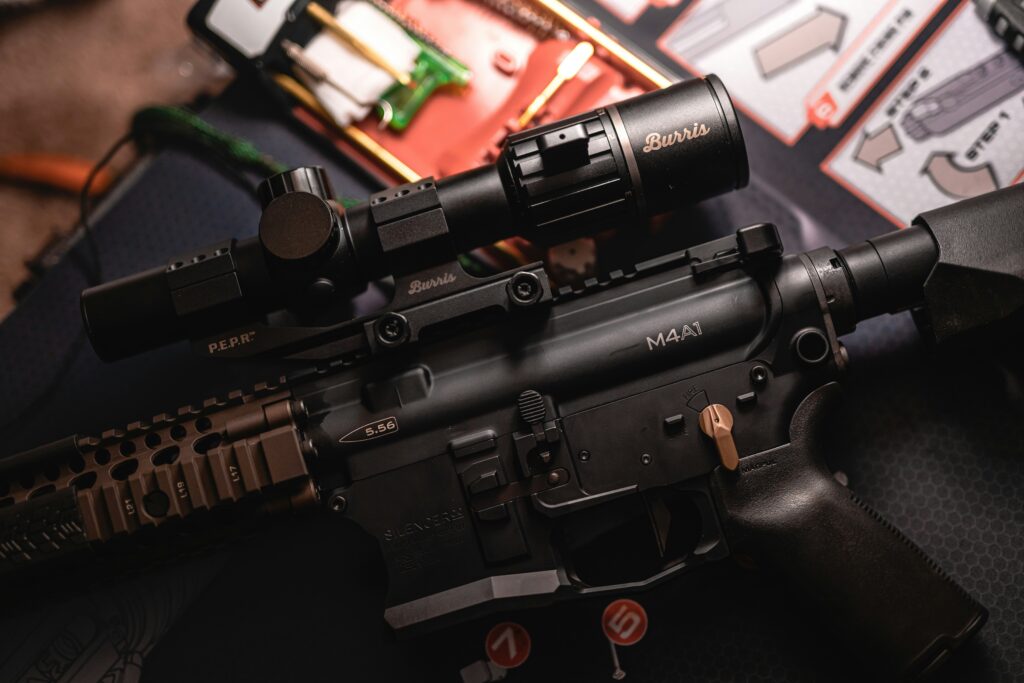
Where Buyers Actually Find Their First Can
There is no single right place to start, and that surprises a lot of first-timers. You can order through a local dealer who handles the transfer in person, work with an online listing that ships to a nearby shop, or buy straight from the company that builds the can. Each route has its own feel.
A local counter lets you hold the product and ask questions face to face. An online silencer shop usually offers a wider catalog and easier price comparison. Buying direct from a maker often gives you the deepest product knowledge and the most reliable support later.
None of these is automatically better, so weigh them against how much hand-holding you want and how soon you need the can in hand.
Service, Warranty, and What Happens After the Sale
A suppressor should last decades, so think past the unboxing. Read the warranty closely. Find out who handles repairs and whether the company services its own products or ships them elsewhere. Ask about turnaround if something needs attention.
Builders like Liberty Suppressors that design, machine, and stand behind their cans give you a clearer path when you need help years later. A silencer shop with strong support turns a one-time sale into a relationship, and that peace of mind is hard to put a price on.
Putting It All Together
The smartest buyers slow down and compare the whole picture, the paperwork support, the caliber fit, the mounting options, the honest sound data, and the service after the sale. Price still matters, but it should be the last filter and not the first.
When you weigh all of these together, you stop guessing and start choosing with confidence. That is the real difference between rushing a purchase and walking away happy with the silencer shop you picked.
Frequently Asked Questions (FAQs)
1. How Long Does It Take to Receive a Suppressor After Ordering?
Approval times vary, but electronic filings have shortened the wait for many buyers compared to older paper methods. Your dealer files the transfer, then you wait for federal approval before you can take the can home. Ask your silencer shop for a current estimate, since timelines shift.
2. Can One Suppressor Work on More Than One Gun?
Often yes, as long as the can is rated for the calibers and you have the right mounts. Many shooters buy one versatile can and add adapters to use it across several firearms, which spreads the cost over more range time.
3. Do I Need a Trust to Buy a Silencer?
No, you can buy as an individual, but many owners use a trust so more than one person can legally possess the can and so it passes cleanly to family later. Both paths are valid, and the best choice depends on your situation.
4. Why Do Two Suppressors With Similar Ratings Sound Different?
Sound is shaped by design, materials, gas flow, and the host firearm, not just a single number. Tone, first-round pop, and ear position all affect what you actually hear, which is why hands-on impressions matter so much.
5. Is It Better to Buy From a Maker or a Reseller?
Buying from the company that builds the can usually means better answers, easier repairs, and direct warranty support. A reseller can still serve you well, but a maker gives you a shorter path when you need help with the silencer shop you trusted.