

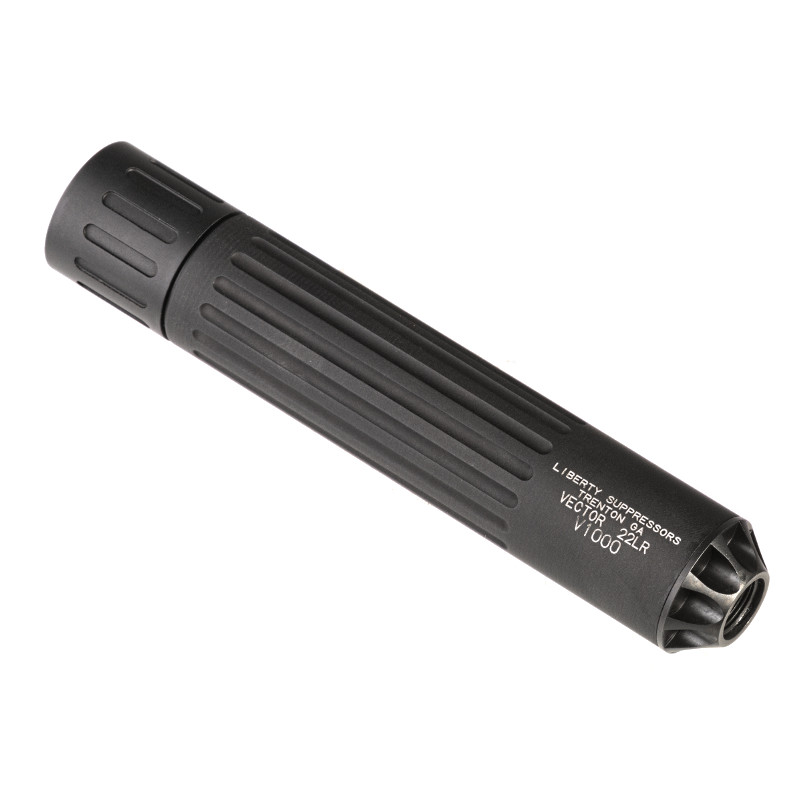
The Vector 22 Suppressor is one of those rimfire cans that keeps popping up in conversations among plinking enthusiasts and small game hunters. If you’re looking to quiet down your .22 rifle or pistol, you’ve probably wondered whether this particular suppressor lives up to the hype or if it’s just another overhyped accessory taking up space in your gun safe.
Here’s the thing, not every suppressor works the same way, and what’s perfect for one shooter might be completely wrong for another. That’s why we’re breaking down the design features, performance details, and ideal use cases for this rimfire can so you can figure out if it matches your shooting style.
Why Rimfire Suppressors Matter for .22 Shooters
Before we get into what makes this suppressor tick, let’s talk about why rimfire cans exist in the first place. A standard .22 LR round generates around 140 decibels at the muzzle, which is right at the threshold for immediate hearing damage according to most safety standards.
Even if you’re just plinking in the backyard or working on marksmanship fundamentals, those repeated exposures add up fast.
Rimfire suppressors bring that noise down to hearing-safe levels, usually around 110-120 decibels depending on the can and ammunition you’re using. That means you can shoot longer sessions without permanent ear damage and without annoying your neighbors every time you practice.
Plus, reducing muzzle blast also cuts down felt recoil and muzzle rise, which helps newer shooters focus on trigger control instead of flinching.
Design Features That Set This Can Apart
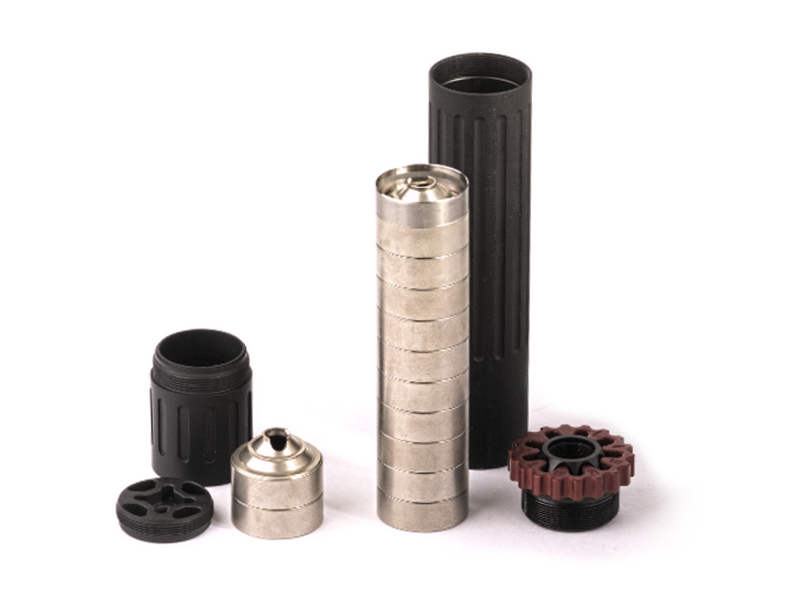
The Vector 22 Suppressor uses a modular baffle stack design, which basically means the internal components are individual pieces that stack together inside the tube.
This matters because you can take the whole thing apart for cleaning, something that’s absolutely necessary with rimfire guns since .22 ammo is notorious for leaving behind lead and carbon buildup.
Most centerfire suppressors are sealed units that never need cleaning because high-pressure gases burn off fouling. But rimfire rounds run at lower pressures, so debris accumulates inside the baffles over time. If you can’t disassemble your can, performance drops and you risk permanent damage. The modular design here solves that problem.
The suppressor body is made from aluminum, keeping the overall weight down to about 7.5 ounces. That’s light enough that it won’t throw off the balance on most rimfire pistols and rifles, especially those with threaded barrels already designed to handle the extra length.
The outer tube measures just over 5 inches long with a 1-inch diameter, so it’s compact without being so small that it sacrifices sound reduction.
Inside, you’ll find a series of stainless steel baffles that handle the actual suppression work. Stainless steel holds up better than aluminum against heat and corrosion, especially when dealing with the acidic byproducts of rimfire ammunition.
The baffles use a cone design that redirects and slows down expanding gases as they exit the barrel, which is what drops the sound signature.
How It Performs on the Range
Sound suppression is the main reason anyone buys a can, so let’s talk numbers. With standard velocity .22 LR ammo, the Vector 22 Suppressor typically brings the report down to around 113-117 decibels at the shooter’s ear. That’s a reduction of roughly 25-30 decibels, which makes a huge difference in how your ears feel after a range session.
If you switch to subsonic ammunition, the numbers get even better because there’s no supersonic crack to deal with. Subsonic .22 rounds paired with this suppressor usually clock in around 110-112 decibels, which is comparable to the sound of a nail gun or a loud hand clap. Still not Hollywood silent, but definitely hearing safe without additional ear protection.
One thing worth mentioning is first-round pop. Like most rimfire suppressors, the first shot through a cold can tends to be noticeably louder than subsequent shots. This happens because oxygen trapped inside the suppressor combusts on that first round. It’s not a flaw, just something to expect. After that initial pop, the sound stays consistent shot after shot.
Which Shooters Benefit Most From This Suppressor
Now for the important question, who should actually consider this can? The Vector 22 Suppressor shines in a few specific scenarios, so let’s break them down.
Backyard Plinkers
If you live somewhere with close neighbors and you want to practice without causing a scene, this suppressor makes a massive difference. Dropping the noise by 25+ decibels turns your .22 into something that sounds more like a pellet gun than a firearm. That means less hassle and more trigger time.
Small Game Hunters
For squirrel and rabbit hunters, reducing muzzle blast helps in two ways. First, it keeps you from spooking other game in the area after your first shot. Second, it protects your hearing when you’re not wearing ear protection because you need to stay alert in the woods.
The Vector 22 Suppressor is light enough that it doesn’t mess with your rifle’s handling, which matters when you’re carrying it through brush all day.
Training and Instruction
If you teach new shooters or work with younger people learning firearms safety, a suppressed .22 is a game changer. Reduced noise and recoil mean less flinching and better fundamentals.
Students can focus on grip, stance, and trigger control instead of bracing for the blast. This suppressor keeps things quiet enough that communication stays easy even on the firing line.
High-Volume Shooters
Anyone burning through thousands of .22 rounds a year will appreciate the hearing protection and reduced fatigue. Whether you’re practicing for competition or just enjoy long range sessions, using the Vector 22 Suppressor means you can shoot more comfortably and for longer periods without ear fatigue.
Pest Control
If you’re dealing with pests on a farm or property, a suppressed .22 lets you handle the problem without broadcasting what you’re doing. The reduced noise won’t carry as far, which keeps things discreet and neighborly.
Cleaning and Maintenance Requirements
Here’s where the modular design really pays off. Rimfire cans get filthy fast because .22 ammunition uses wax-coated lead bullets and dirty powder. After a few hundred rounds, you’ll notice performance starting to drop as carbon and lead fouling build up inside the baffles.
To clean the Vector 22 Suppressor, you’ll need to disassemble the baffle stack and scrub each component. Most shooters use an ultrasonic cleaner or a solvent soak followed by brushing.
How often you clean depends on how much you shoot and what ammo you’re using. Some people clean every 500 rounds, others wait until 1,000 or more. Just know that regular maintenance keeps the suppressor working at peak performance.
The good news is that disassembly is straightforward. You don’t need special tools, and the parts are durable enough to handle repeated cleaning without wearing out. Just make sure everything’s dry before you reassemble to prevent corrosion.
Mounting Options and Compatibility
The Vector 22 Suppressor typically comes with a direct thread mount in 1/2×28 threading, which is the standard pitch for most .22 rifles and pistols with threaded barrels. This is the simplest and most reliable mounting method since there are no moving parts to worry about.
If you plan to move the suppressor between multiple firearms, you might want to pick up additional thread adapters. Some shooters also use quick-detach mounts, though they add weight and complexity. For most rimfire applications, direct threading works perfectly fine and keeps things simple.
Before mounting any suppressor, always verify your barrel threading and make sure there are no obstructions inside the bore. A misaligned or damaged thread can cause baffle strikes, which will ruin your can and potentially create a safety hazard.
Is This the Right Suppressor for You?
Whether the Vector 22 Suppressor makes sense depends on what you’re shooting and why. If you own multiple .22 firearms and you want a reliable, user-serviceable can that handles everything from plinking to hunting, this is a solid choice.
The modular design means it’ll last for years with proper maintenance, and the performance numbers are competitive with other rimfire suppressors in the same category.
However, if you only shoot rimfire occasionally or you’re on a tight budget, you might want to weigh whether any suppressor investment makes sense right now. Remember, even with the recent elimination of the $200 tax stamp starting in 2026, you’ll still need to complete ATF paperwork and wait for approval before you can legally take possession.
For shooters who regularly use .22 firearms and value hearing protection, reduced noise pollution, and better shooting fundamentals, investing in a quality rimfire can pays off quickly. The comfort and performance improvements you’ll see after just a few range trips usually justify the cost.
Final Thoughts on the Vector 22 Suppressor
The rimfire suppressor market has plenty of options, but not all of them are built with the same attention to detail and practical features. What makes the Vector 22 Suppressor stand out is the combination of effective sound reduction, user-serviceable design, and lightweight construction that works well across multiple platforms.
If you’re serious about rimfire shooting, whether that’s plinking, hunting, or training, adding a quality suppressor transforms the experience. Less noise, less recoil, and better accuracy all add up to more enjoyable and productive range time.
Just remember to factor in cleaning and maintenance as part of the ownership equation, since rimfire cans need regular attention to keep performing well.
At the end of the day, choosing the right suppressor comes down to matching features with your specific needs. If you shoot .22 regularly and want something that balances performance, durability, and serviceability, the Vector 22 Suppressor checks all those boxes.
Frequently Asked Questions (FAQs)
How often should I clean my rimfire suppressor?
Most shooters clean their rimfire suppressor every 500 to 1,000 rounds depending on ammunition type and buildup. If you notice performance dropping or increased noise, it’s time to disassemble and clean the baffles. Using an ultrasonic cleaner makes the job easier and more thorough.
Can I use this suppressor on rifles and pistols?
Yes, as long as your firearms are chambered in .22 LR or smaller rimfire calibers and have compatible threading, usually 1/2×28. Always verify thread pitch and alignment before mounting to prevent baffle strikes or damage.
Will a suppressor affect my .22’s accuracy?
A properly mounted suppressor can actually improve accuracy by reducing muzzle rise and recoil, making it easier to stay on target. However, you may need to re-zero your sights after installation since the added weight can shift your point of impact slightly.
What’s the difference between subsonic and standard velocity ammo with a suppressor?
Subsonic ammunition travels slower than the speed of sound, eliminating the supersonic crack that happens with standard velocity rounds. When paired with a suppressor, subsonic ammo produces the quietest results, usually 3 to 5 decibels less than standard velocity loads.
Do I still need to wear hearing protection with a suppressed .22?
For most shooters, a properly functioning rimfire suppressor brings noise levels down to hearing safe ranges around 110 to 115 decibels. However, if you’re shooting indoors, in enclosed spaces, or for extended periods, wearing additional hearing protection is still a smart precaution to protect long term hearing health.