


Hunting for the best flow through suppressor usually starts with one frustration, gas blowback. If you shoot a gas-operated rifle or a short-barreled platform, you know the feeling of hot, dirty gas hitting your face and fogging your optic.
Flow-through designs were built to solve exactly that. Understanding how they work helps you decide whether one fits your shooting and what to look for before you buy.
How Flow-Through Designs Work
Traditional cans trap high-pressure gas in a sealed chamber. A flow-through design takes a different path, redirecting that pressure forward and away from the shooter rather than bottling it up.
The result is less blowback, cooler operation, and smoother cycling, especially on gas guns and short barrels. This overview of flow-through suppressors digs into the engineering, and understanding it is the first step to picking the best flow through suppressor for your gun.
The Real Benefits
The headline win is comfort. With less gas and heat coming back at you, long sessions stay manageable, your optic stays clearer, and your cheek weld stays cooler.
On a semi-auto or short-barreled rifle, the steadier backpressure can also improve cycling and reliability. For shooters who run hard, that combination is why the best flow through suppressor designs earn a loyal following.
The Trade-Offs to Weigh
Nothing is free. Reducing trapped pressure usually means giving up a little on raw sound suppression compared to a sealed can of the same size. Flow-through models also tend to use premium heat-resistant materials, which affects cost.
Deciding whether the comfort and cycling gains outweigh a small sound trade-off is the core question. The notes on measuring sound help you judge those numbers honestly.
What to Look For
If you go this route, check a few things. Look for durable, heat-resistant construction built for sustained fire. Confirm the mounting system fits your host, since gas guns are picky about it, and this breakdown of attachment methods helps.
Match the can to your platform and intended use rather than buying on hype, which is how you land the best flow through suppressor for real shooting.
Are They Right for You?
A flow-through shines on gas-operated and short-barreled rifles where blowback is a real problem. If you mostly shoot bolt guns or value the absolute quietest signature, a traditional sealed can may serve you better. Liberty Suppressors focuses on rugged, user-serviceable designs that you can clean and maintain for the long haul, which is its own kind of value.
Whatever you choose, the point is protecting your hearing against noise-induced hearing loss within occupational noise exposure ranges. Weigh comfort against quiet and the best flow through suppressor choice for your shooting becomes clear.
How Flow-Through Differs From Sealed Cans
The core distinction is simple but important. A traditional sealed can traps high-pressure gas in a chamber, while a flow-through design redirects that gas forward and away from the shooter.
That single change is what reduces blowback, heat, and grit coming back at your face. The best flow through suppressor designs lean into this principle to make gas guns far more pleasant to shoot.
The trade-off is that venting pressure forward usually costs a little raw suppression compared to a sealed can of the same size. Whether that trade is worth it depends entirely on what bothers you more, a touch more sound, or a face full of gas.
Who Benefits Most From the Design
Flow-through cans shine on specific platforms. Gas-operated semi-autos and short-barreled rifles push the most gas back at the shooter, so they gain the most comfort from the design.
High-volume shooters who run long strings also feel the difference, since less heat and grit reach their hands and optic. For these users, the best flow through suppressor is often worth the slight sound trade.
Bolt-gun shooters and those chasing the absolute quietest signature benefit less. If blowback is not your problem, a sealed can may serve you better. Knowing your platform is the first step to deciding.
Reading Sound and Backpressure Specs
Specs can mislead if you read them wrong. A flow-through can may show a slightly higher decibel number than a sealed rival while delivering a far better shooting experience, because the number does not capture blowback or comfort. Treat sound figures as one data point among several, not the whole story.
Backpressure is the spec that matters most here, even if it is harder to quantify. Lower backpressure means less gas in your face and smoother cycling. When comparing the best flow through suppressor options, weigh that comfort factor alongside the raw sound rating rather than fixating on decibels alone.
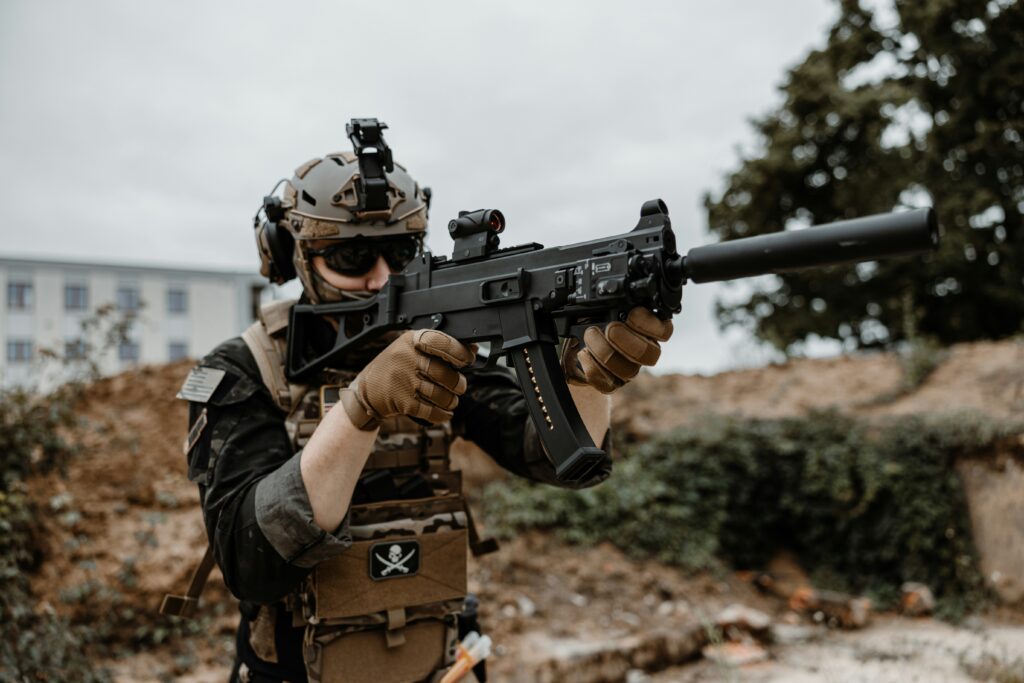
Matching It to a Gas Gun
Gas guns are picky about mounting and gas dynamics, so compatibility matters. Confirm the can suits your host’s gas system and that the mount fits your setup. A flow-through design pairs naturally with direct-impingement rifles and short barrels, exactly the platforms that suffer most from blowback.
Pay attention to thread pitch and mounting style before buying. The right setup lets the design do its job, while a mismatch undercuts the benefit. The best flow through suppressor for you is one that fits your specific gas gun cleanly and lets the forward-venting design work as intended.
Care and Long-Term Use
Flow-through cans are popular with high-volume shooters, so durability and upkeep matter. These designs often use heat-resistant materials built for sustained fire, but they still benefit from periodic inspection. Check the mount for tightness and follow your model’s cleaning guidance to keep performance consistent.
Because the design vents gas forward, fouling patterns differ from sealed cans, so read your manufacturer’s care notes rather than assuming. Treat the can well and even hard, frequent use will not wear it out quickly. With basic maintenance, the best flow through suppressor will reward heavy shooters with years of cooler, cleaner shooting.
Deciding If Flow-Through Is Right for You
The honest way to choose is to start with your biggest frustration. If gas blowback, heat, and grit hitting your face are what bother you most, a flow-through design directly solves that problem.
If you mostly chase the quietest possible signature on a bolt gun, a sealed can may serve you better. The best flow through suppressor is the right pick only when its strengths match your specific complaints.
Think about your platforms and your shooting style together. Gas-operated semi-autos, short-barreled rifles, and high-volume sessions all favor the forward-venting design, while low-volume bolt-gun work favors a sealed can. Matching the design to how you actually shoot is the whole decision, and it is worth taking the time to get right.
Whatever you choose, the underlying goal is the same, protecting your hearing and making range time more comfortable. A flow-through can trades a touch of raw suppression for a cleaner, cooler shooting experience, and for the right shooter that trade is well worth it.
Weigh comfort against quiet honestly, match the can to your gun, and the best flow through suppressor for your needs becomes clear rather than confusing.
Frequently Asked Questions (FAQs)
1. What Problem Does Flow-Through Solve?
Gas blowback. By redirecting pressure forward instead of trapping it, the design sends less hot, dirty gas back at the shooter’s face, optic, and action, which is most noticeable on gas guns and short barrels, where trapped pressure has nowhere else to go.
2. Are Flow-Through Cans Quieter?
Usually slightly less so than a sealed can of the same size, since reducing trapped pressure trades a little sound suppression for comfort. The win is blowback and cycling, not record-low decibels. For the right shooter, the best flow through suppressor is well worth that small sound trade.
3. Do They Help Reliability?
On gas-operated and short-barreled rifles, often yes. Steadier backpressure can smooth cycling and reduce feeding issues under stress, which matters for hard-use semi-autos. Steadier backpressure keeps a gas gun running smoothly even during long, fast strings.
4. What Materials Should I Look For?
Heat-resistant metals built for sustained fire. Durable construction is essential because these cans are popular with shooters who run high volume and need them to take the heat. Durable materials are what let these cans survive sustained fire.
5. Who Should Skip Flow-Through?
Bolt-gun shooters and anyone chasing the absolute quietest signature. If blowback is not your problem, a traditional sealed can may be the better fit than the best flow through suppressor.