

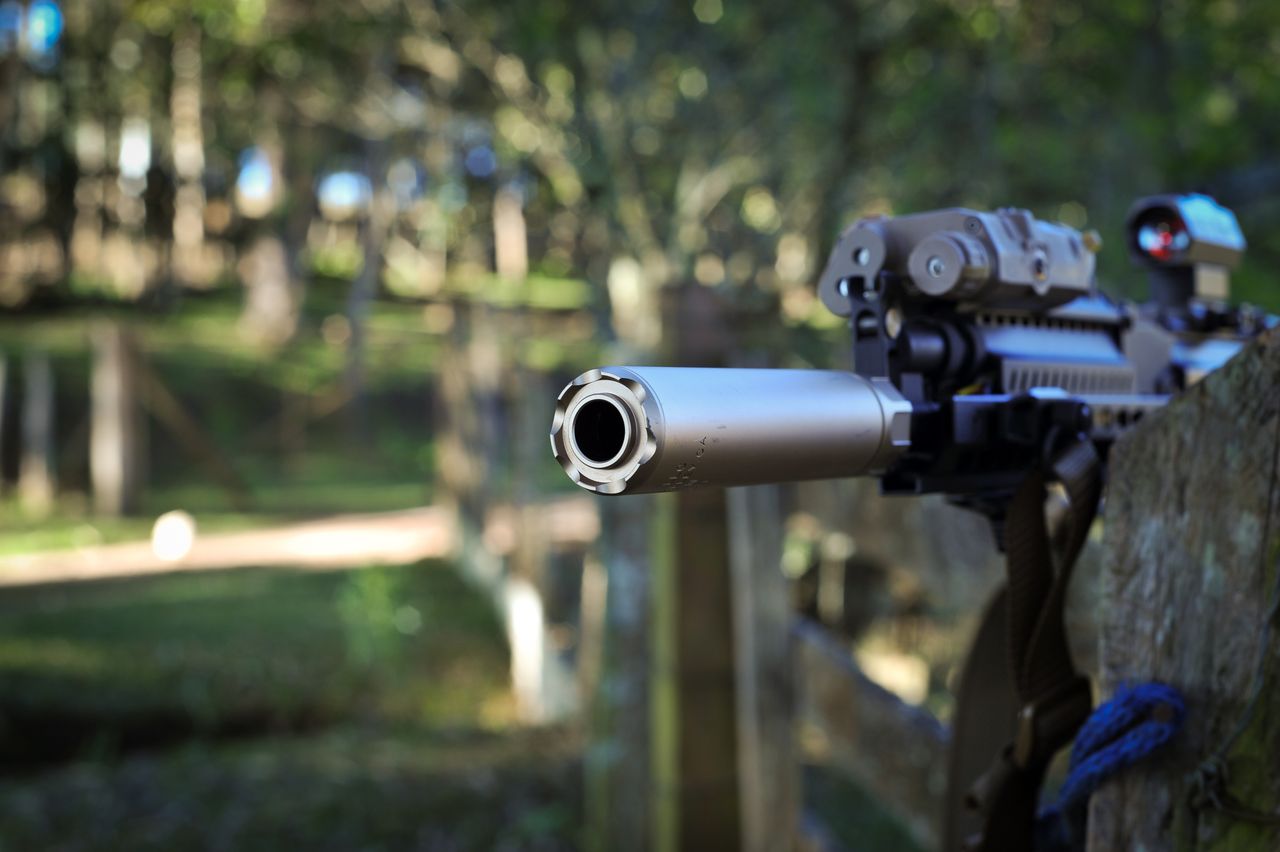
A good .22 lr suppressor turns a noisy plinking session into something you can enjoy without ear pain, which is exactly why rimfire is where so many shooters start. The questions are always the same. Will it actually be quiet? Is it a pain to clean?
And do I need to spend a fortune? For backyard training and long range days, the answers come down to suppression, serviceability, and value. Get those right and you will shoot more.
What Matters for High-Volume Rimfire
Rimfire is cheap, so you will run a lot of rounds through a .22 lr suppressor, and that changes what matters. The .22 round is dirty, packing lead and carbon into the baffles fast, so a can you can take apart and clean easily is worth its weight in gold.
Suppression and a low first-round pop round out the picture. This guide on rimfire suppression covers the fundamentals, these quiet rimfire options show how the field compares, and staying on top of silencer maintenance keeps any rimfire can performing.
Three Picks Worth a Close Look
The rimfire line from Liberty Suppressors is built specifically for high round counts, so here are three .22 lr suppressor options and what each does best.
The Regulator: The Durable Workhorse
The Regulator is the do-it-all rimfire can for shooters who train hard.
- A stainless monolithic core delivers 40 to 46 dB of reduction and a virtually eliminated first-round pop.
- Tool-less disassembly with Wavelok mounting makes cleaning quick after dirty sessions.
- Rated for .22LR, .22WMR, .17M2, and .17HMR, so it covers your whole rimfire stable.
The Regulator Ti: Light and Premium
The Regulator Ti is the upgrade pick when you want the lightest, quietest build.
- A monolithic titanium core drops the weight to under four ounces.
- Asymmetric gas-cutting baffles tame first-round pop and gas follow-through.
- Same broad rimfire rating, in a featherweight package that balances beautifully.
The Vector: Built for Easy Cleaning
The Vector is the answer for shooters who hate maintenance day.
- A modular stacked-baffle design comes apart with a common ratchet, even after thousands of rounds.
- Configurable length lets you run compact or longer and quieter.
- Designed from the ground up so high round counts never weld it shut.
Picking Your Rimfire Can
When you weigh a .22 lr suppressor for sheer durability and value, the Regulator leads. For the lightest, quietest setup, the Regulator Ti wins. For the easiest cleaning across heavy use, the Vector shines. Pair any of them with subsonic ammo and the difference is night and day.
The reason to suppress at all is hearing safety, since even rimfire contributes to noise-induced hearing loss over time. Match the can to how you shoot and the right .22 lr suppressor is easy to spot, all under the framework of the National Firearms Act.
What Makes a Rimfire Can Shine
Rimfire suppressors live by different rules than centerfire models. Because the .22 round is low pressure, a good rimfire can lasts a long time and runs very quiet, but it also fouls fast and needs easy cleaning. The best .22 lr suppressor balances deep sound reduction with a design you can take apart without a fight, since dirty baffles are simply part of rimfire life.
Weight and first-round pop matter too. A light can keeps a trim rifle or pistol balanced, while a design that tames first-round pop gives you consistent quiet from the very first shot. Judge a rimfire can on quiet, serviceability, and weight together, not on a single number.
Subsonic Ammo Is Half the Equation
No suppressor can fix the wrong ammo, and rimfire is where this shows most. Standard high-velocity .22 rounds break the sound barrier and produce a crack no can can erase.
Subsonic ammo stays below that threshold, unlocking the whisper-quiet experience a good can promises. Pairing the best .22 lr suppressor with quality subsonic loads is the secret to true backyard quiet.
Consistency matters as much as speed. Reliable subsonic ammo cycles better in semi-autos and groups tighter for precision work. Experiment with a few brands to find what your specific gun likes best, then stick with it.
Keeping Up With Rimfire Fouling
Rimfire shooting is dirty, full stop. Lead, carbon, and unburned powder build up fast inside a .22 can, so regular cleaning is not optional if you want lasting performance. This is exactly why serviceability ranks so high for rimfire models. A can that disassembles easily turns maintenance into a quick chore rather than a dreaded battle.
Build a simple cleaning routine based on how much you shoot. The best .22 lr suppressor designs come apart with simple tools and reassemble just as easily, so staying ahead of fouling never feels like a burden. Clean it on schedule and it stays quiet for thousands of rounds.
Matching the Can to Your .22
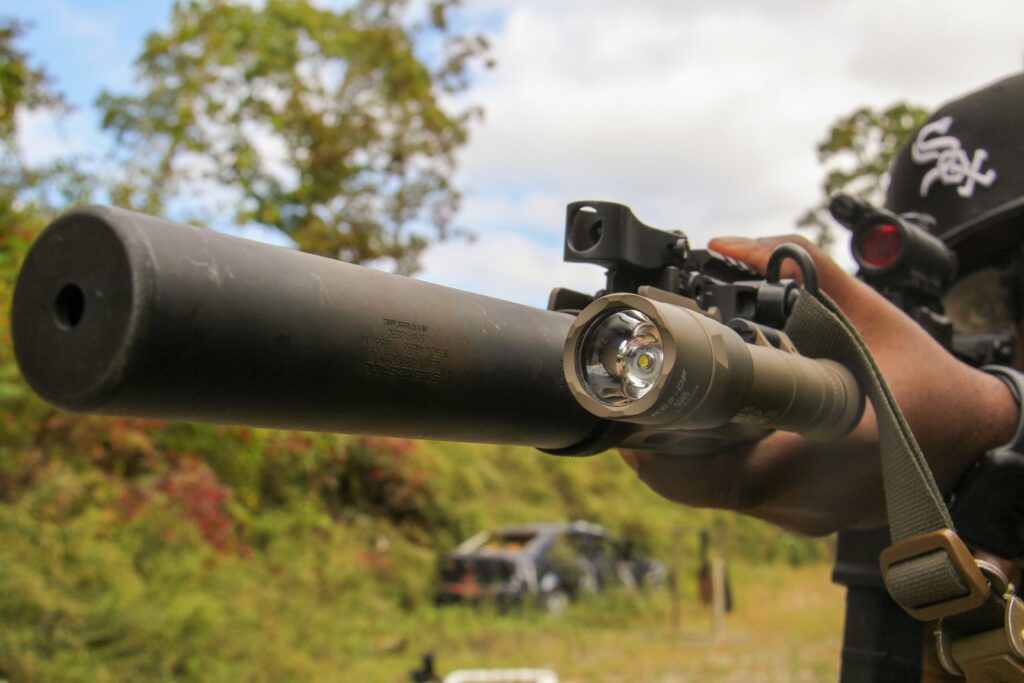
Think about how you shoot before you buy. A dedicated bolt-action plinker, a high-volume semi-auto, and a suppressed pistol each reward slightly different priorities.
A precision shooter may want the quietest, lightest option, while a high-volume plinker prioritizes a can that cleans in minutes. The best .22 lr suppressor for you depends on which of these describes your range days.
Versatility helps if you own several rimfire guns. Many .22 cans move easily between hosts as long as the thread matches, spreading their value across your collection. Match the can to your real habits and it will earn its keep.
Getting the Most From Your Rimfire Can
Once you have the right can and ammo, a few habits maximize the experience. Confirm your mount seats tight with no play, since a loose can adds noise and risks a strike. Let the can cool on long sessions, and clean it before fouling cakes solid. These small steps keep performance at its peak.
Store the can clean and dry between trips. Rimfire residue can harden if left for months, making cleaning harder later. Treat even the best .22 lr suppressor with this basic care and it will deliver quiet, reliable plinking for many years and tens of thousands of rounds.
Building the Right Rimfire Setup
A great suppressed .22 is a system, not just a can. The host rifle or pistol, the suppressor, and the ammo all work together, and getting all three right is what creates that magical, near-silent experience. Start with a quality threaded host, add the best .22 lr suppressor your budget allows, and feed it consistent subsonic ammo. Each piece supports the others.
Think about how you shoot when building the setup. A bolt-action plinker can run almost silent, while a high-volume semi-auto trades a little noise for speed and rewards an easy-clean can.
If you own several rimfire guns, many cans move between hosts as long as the thread matches, spreading their value across your collection. Match the can to your dominant style first, then enjoy the flexibility.
Maintenance ties it all together. Rimfire fouls fast, so a simple cleaning routine keeps performance high over the long haul. The best .22 lr suppressor designs come apart easily and reassemble just as fast, turning upkeep into a quick chore.
Build the system thoughtfully, keep it clean, and a suppressed .22 becomes the gun you reach for every single time you want quiet, low-cost, high-volume fun.
Frequently Asked Questions (FAQs)
1. How Often Should I Clean a Rimfire Can?
Plan on cleaning a .22 lr suppressor every few hundred rounds, since rimfire fouls quickly. A serviceable design makes this painless, while a hard-to-clean can punishes you for waiting. Easy maintenance is the key to a long rimfire can life. A design that cleans in minutes is worth far more than a slightly quieter one you dread servicing.
2. Does Subsonic Ammo Matter for .22?
Yes. Subsonic loads remove the supersonic crack, which is a major part of the noise. Paired with a quality can, subsonic .22 is genuinely quiet, often described as backyard-friendly. Pair it with subsonic ammo and the result is remarkably soft on the ears.
3. Is a Titanium Can Worth the Extra Cost?
If weight and balance matter to you, yes. A titanium build is dramatically lighter, which is noticeable on a pistol or a light rifle. For pure durability on a budget, a stainless core is hard to beat. It shrugs off heavy use and cleans up reliably year after year.
4. Will One Can Cover All My Rimfire Guns?
Often yes. Many rimfire cans are rated across .22LR, .22 Magnum, and .17 calibers, so one can serves your whole rimfire collection as long as the bore matches.
5. What Makes a Range-Day Can Great?
Easy cleaning, strong suppression, and durability under volume. Those three traits separate a great high-use .22 lr suppressor from one that becomes a chore after a few hundred rounds.