


Figuring out what do you need to buy a suppressor is the first real hurdle for most new owners, and it is mostly a paperwork question rather than a hard one. People worry they will be missing some obscure document or fail a hidden test. In reality, the checklist is short and predictable. Once you have the right items in hand, the rest is just filling things out carefully.
Eligibility Comes First
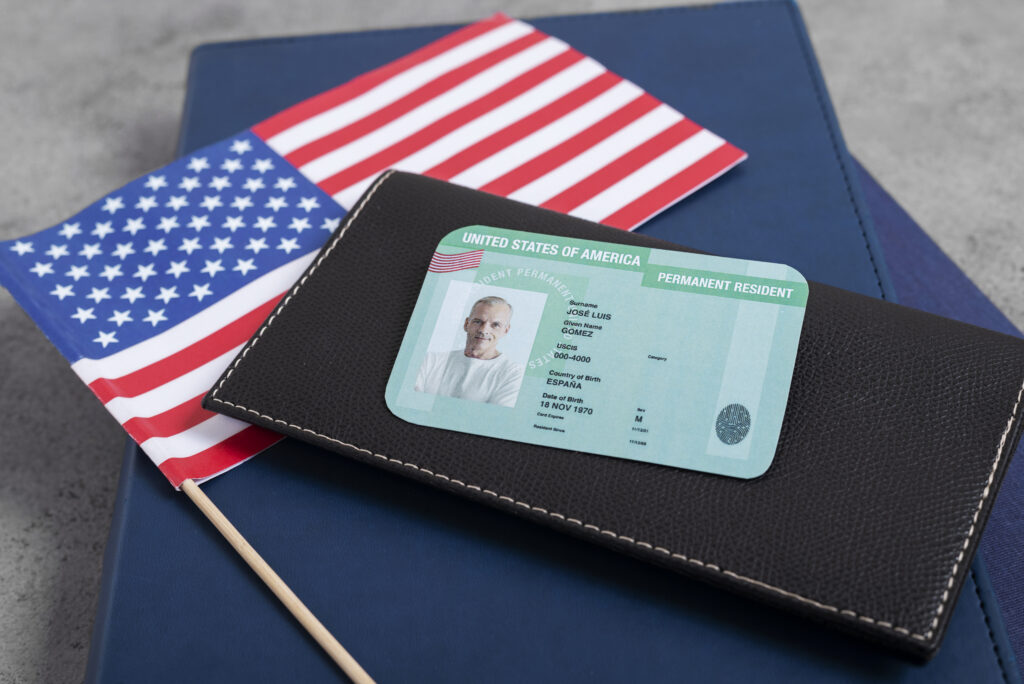
Before any documents, you have to qualify. You generally need to be old enough under the rules that apply to your purchase type, be a U.S. citizen or lawful permanent resident, and be legally able to own a firearm.
If you can pass a standard firearm background check, you are very likely eligible. This baseline is the foundation for everything that follows, so confirm it before you spend a dime.
The Documents You Will Gather
The actual stack is smaller than people expect. You will need a valid government ID, a set of fingerprints on the proper cards, and a recent passport-style photo. Your dealer provides the transfer application and tells you exactly how to complete it.
Knowing what do you need to buy a suppressor mostly means assembling those few items correctly the first time, because mismatches and sloppy cards are what cause delays.
If you want a fuller picture of the costs and pieces involved, this overview of everything you need is a solid primer, and this explainer on how to get one walks through the approval side.
The Background Check
Every buyer goes through a federal background check as part of the transfer. There is nothing extra you do for it beyond submitting accurate information, since the check runs off the paperwork and fingerprints you already provide.
The review is handled by the office that processes these applications, the National Firearms Act Division. As long as your details are correct and you are eligible, this step is routine.
It is worth remembering why all of this exists in the first place. The whole point of a can is hearing safety, and the limits that safety agencies set for occupational noise exposure show how quickly loud sound becomes harmful. A suppressor does not make a gun silent, but it pulls the report down toward a level that is far kinder to your ears.
Keep Copies of Everything
Once you are approved, treat your paperwork like the valuable record it is. Keep your approved documents stored safely at home and carry copies rather than originals when you take the can out. If you ever sell, move, or pass the can along, that record is what keeps everything clean and legal. A little organization now prevents headaches later.
Choosing a Dealer and a Can
You also need a licensed dealer, because the transfer cannot happen without one. Pick a dealer who communicates well and files electronically when possible. Then choose the can itself, matched to your firearm and your goals.
State rules vary, so make sure cans are legal where you live and that your chosen model is allowed. The broader compliance essentials are worth a skim so you are not caught off guard by a local quirk.
Individual or Trust
Finally, decide how to register. As an individual, only you can legally possess the can. With a trust, more than one named person can use it, and it can pass to heirs more smoothly. A trust adds a document or two but can be well worth it. The crew at Liberty Suppressors can help you weigh the two paths against your plans.
The Short Version
So, what do you need to buy a suppressor? Eligibility, an ID, fingerprints, a photo, a background check, a licensed dealer, and a can that is legal where you live. Gather those, fill everything out cleanly, and you have covered exactly what do you need to buy a suppressor without a single surprise.
Getting Your Fingerprints Right
Fingerprints are one of the most common reasons applications stall, so it is worth getting them right the first time. Smudged, light, or incomplete prints can bounce your file and reset your wait.
Many dealers and local agencies offer fingerprinting, and some now use electronic capture that produces cleaner results. Part of figuring out what do you need to buy a suppressor is simply collecting clean prints on the proper cards.
If you use ink cards, make sure each impression is crisp and fully rolled. If your dealer offers digital prints, that is often the easier path. Either way, double-check the cards before they go in the envelope, since a quick look now saves weeks later.
Preparing Your Photo and ID
Alongside prints, you will need a recent passport-style photo and a valid government ID. The photo should meet the standard spec, clear, recent, and properly sized. A blurry or outdated photo is another small thing that can slow your file. Knowing what do you need to buy a suppressor includes having these basics ready before you sit down with your dealer.
Confirm that the name and details on your ID match exactly what you put on the application. Mismatches between your paperwork and your identification are a frequent cause of delays. Consistency across every document is the quiet secret to a smooth, fast approval.
Setting a Realistic Budget
Beyond the documents, plan for the full cost. There is the can itself, a possible dealer transfer fee, the federal fee tied to the transfer, and accessories like mounts or adapters.
Fees and rules shift over time, so confirm current numbers with your dealer rather than trusting an old figure. Budgeting honestly is part of what do you need to buy a suppressor without an unwelcome surprise at checkout.
If you expect to suppress several guns eventually, a versatile multi-caliber can may save money compared to buying a dedicated can for each firearm. A little planning here turns a single purchase into a smarter long-term setup.
Checking Your State and Local Rules
Federal eligibility is only half the picture. Your state, and sometimes your locality, has the final say on whether you can own a can at all. Some states allow it freely, some add conditions, and a few ban civilian ownership outright. Always confirm your local rules before spending a dime, since the federal process means nothing if your state says no.
A reputable dealer who serves your area will know the rules and steer you straight. Verifying this early is the part of what do you need to buy a suppressor that protects you from buying something you cannot legally take home.
A Quick Pre-Purchase Checklist
Before you walk into a dealer, it helps to run through a simple checklist so nothing slips. Confirm you are eligible and old enough for your buying path. Gather a valid ID, clean fingerprint cards, and a recent photo.
Decide whether you will register as an individual or through a trust. Budget for the can, the dealer fee, the transfer fee, and any accessories. And verify that cans are legal where you live.
Run through that list and you have covered what do you need to buy a suppressor in one pass. Each item is small on its own, but missing one is what causes delays and frustration. Checking them off ahead of time turns a potentially confusing process into a smooth, predictable one.
The beauty of a checklist is that it removes guesswork. You are not hoping you remembered everything, you know you did. With your documents in order and your plan set, the rest of the purchase is mostly waiting. That preparation is the real answer to what do you need to buy a suppressor without stress or surprises.
Frequently Asked Questions (FAQs)
1. How Old Do I Have to Be?
It depends on how you buy. Purchases through a dealer typically require you to be older, while certain trust arrangements allow younger qualified members. Confirm the requirement that applies to your specific path before filing.
2. Do I Need to Own the Gun First?
No. You can buy a can before you own a matching firearm, though it helps to know what you plan to shoot so you pick a compatible model. Many buyers choose a versatile can for exactly this reason.
3. Are Fingerprints and Photos Really Required?
Yes. A set of fingerprint cards and a recent photo are standard parts of the application. Make sure the prints are clean and the photo meets the spec, since poor copies are a common cause of rejected files.
4. What If My State Restricts Suppressors?
Then you cannot buy one there, even if you meet every federal requirement. Always verify local law first, because state rules sit on top of the federal ones and can rule out ownership entirely.
5. Can Someone Else Use My Suppressor?
Only under the right setup. If you register as an individual, possession is limited to you. A trust is how you legally share use with others, which is a big part of what do you need to buy a suppressor that the whole family can enjoy.