

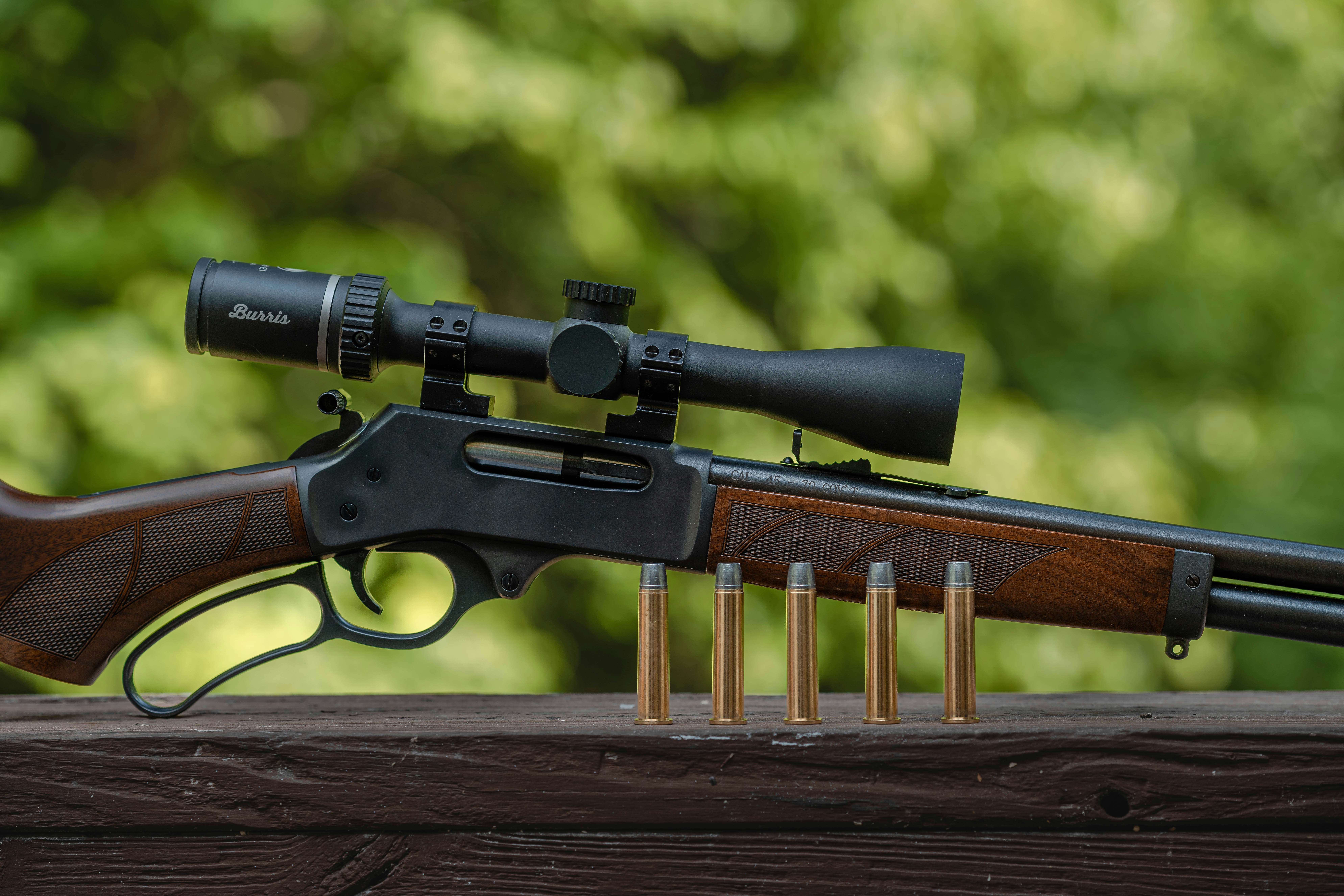
A suppressor for 308 is one of the most useful upgrades for a .308 rifle. It is also one of the more involved purchases in the firearms world. The .308 Winchester is a hard-hitting, high-pressure cartridge. Not every can on the market is built to handle it well.
This article covers suppressor matching for .308, compatibility with 7.62 NATO, what to look for when buying, and how your platform affects the choice. Whether you hunt, shoot precision, or run a tactical build, this guide helps you decide with confidence.
Why the .308 Demands a Purpose-Built Suppressor
The .308 Winchester operates at peak average pressures around 62,000 psi. That generates significant muzzle energy and a sharp concussive blast. An unsuppressed .308 produces a muzzle report around 165 decibels. OSHA’s noise standard (29 CFR 1910.95) sets 140 dB as the maximum permissible peak for impulsive noise. A single unprotected shot can cause lasting hearing damage.
The benefits of running a suppressor go beyond hearing protection. Reduced muzzle blast means less felt recoil. That directly improves target reacquisition and follow-up shots. A suppressor’s added muzzle weight also improves barrel harmonics, tightening groups in many rifles.
One common misconception is that suppressors slow bullets down. In most cases, the opposite is true. As a bullet exits the barrel and travels through the suppressor bore, residual gas continues to push it forward. This is known as freebore boost.
Most setups see a modest 10 to 60 fps gain depending on barrel length and suppressor design. The effect is real but small, and re-zeroing is rarely needed at typical shooting distances.
.308 Winchester vs 7.62 NATO: Suppressor Compatibility Explained
Shopping for a suppressor for 308 means you will quickly see most .30 cal cans labeled “7.62.” This confuses new buyers. The answer is simple once you understand the relationship between the two cartridges.
The .308 Winchester and 7.62×51 NATO are similar but not identical. The NATO round typically runs at slightly lower pressure and has thicker case walls. Most .30 cal suppressors are rated for both. If a can is rated for 7.62 NATO, it will safely handle .308 Winchester as well.
Where this matters is with multi-caliber suppressors. A multi-cal can uses a wider bore to fit multiple cartridge sizes. That wider bore allows more gas to escape after the shot. You will get suppression, but not at the level of a dedicated .30 cal can. For maximum noise reduction on a .308 rifle, a dedicated suppressor is the smarter choice.
One more thing to confirm before buying: the standard thread pitch for .308 rifles is 5/8×24. Verify your barrel is threaded and confirm the pitch before ordering any mounts or adapters. If you plan to run the suppressor across multiple rifles, a hub-mount system with the right adapters will save you time and money in the long run.
Key Factors When Selecting a Suppressor for 308
Sound Reduction Performance
Sound reduction is measured in decibels and is usually the first spec buyers look at. A well-designed suppressor for 308 delivers 25 to 30 dB of reduction. That brings a typical .308 report down from 165 dB to roughly 135 to 140 dB. It is a meaningful drop that protects your hearing and reduces noise in the field.
First-round pop is worth paying attention to. The first shot through a dry suppressor is louder. Residual oxygen inside the tube burns off on that first round. Suppressors with larger internal volume and better-designed baffles manage this more effectively.
If you regularly shoot cold-bore, check how a can handles first-round performance before committing.
Materials and Build Construction
The three most common materials used in suppressor construction are:
- Stainless steel — durable and affordable, but heavier
- Titanium — best strength-to-weight ratio available, commands a premium price
- Aluminum — lightweight, but not suited to the sustained heat of a .308. Rarely used in centerfire rifle suppressors
For .308 use, look for a suppressor rated for magnum calibers and carrying a full-auto rating. The .308 runs hard on components. A can rated only for light-duty use will degrade faster. Magnum-rated suppressors are built to hold up over a high round count.
Weight and Overall Length
A .308 suppressor typically runs 6 to 9 inches in length. Weight ranges from 10 to 18 ounces depending on material. For hunters on the move, compact and lightweight is the priority. A titanium option keeps the rifle maneuverable without giving up too much suppression.
For precision shooting from a fixed position, a longer and heavier can often delivers better noise reduction. That trade-off makes sense when you are not carrying the rifle through the field. Know your primary use before you commit to a size.
Mounting Systems
Two systems dominate the .30 cal suppressor market:
- Direct thread — simple, reliable, locks firmly in place. Best for bolt-action rifles that stay on one host
- Hub mount (1.375×24 HUB standard) — lets you move the same can across multiple rifles using different mounts. Better for multi-platform setups
For semi-automatic rifles, backpressure management adds another layer to the mounting decision. Gas-operated actions are sensitive to returning pressure. Make sure your suppressor and mount combination is rated for your platform. If you are running an AR-10 or similar, confirm it is tested for semi-auto use before purchasing.
Suppressor for 308 on Bolt-Action vs Semi-Automatic Platforms
Bolt-action and semi-auto .308 rifles interact with suppressors differently. Understanding that difference helps narrow your choice.
On a bolt-action, there is no gas cycling to manage. The suppressor works independently and you hear its raw performance without mechanical noise layered on top. For hunting and precision use, a bolt-action with a quality suppressor is hard to beat.
Semi-automatic platforms like the AR-10 add complexity. Gas-operated actions redirect propellant gas back to cycle the bolt. Adding a suppressor raises backpressure in that system. Too much backpressure leads to over-gassing.
Signs include violent cycling, forward brass ejection, stovepipes, and gas blowback to the face. For semi-auto use, look for suppressors built with gas management features.
Liberty Suppressors offers options for both platforms:
- Sovereign — versatile 7.62mm can with interchangeable front plates and multiple adapter options
- Amendment — purpose-built for .308 around the 5/8×24 thread standard. A no-frills, economical choice for dedicated .308 builds
- Mystic X — multi-caliber can covering over 70 calibers. Not full-auto rated, so best suited for bolt-action .308 or controlled semi-auto use
Why Buy a Suppressor for 308 Made in the USA
Domestic manufacturing matters more in the suppressor market than in most accessory categories. Suppressors are NFA-regulated items. Buying from a US manufacturer gives you direct recourse for warranty claims, repairs, and support. There is no middleman between you and the people who built it.
Liberty Suppressors builds everything onsite in Trenton, Georgia. That means tighter quality control and direct access to customer support. Their dealer education program, stocking dealer network, and layaway options mean you are covered at every stage of the buying process.
When you invest $600 to $1,000 or more in a suppressor, plus a $200 tax stamp, you want a manufacturer that stands behind the product. That accountability is a key reason domestic suppressor brands earn long-term trust.
Conclusion
Choosing the right suppressor for your .308 rifle starts with knowing your use case. Then match the specs to your platform. Keep these priorities in mind:
- Sound reduction — aim for 25 to 30 dB from a dedicated .30 cal can
- Materials — stainless or titanium for .308 pressure levels, magnum-rated preferred
- Mounting — direct thread for bolt guns, hub mount for multi-platform flexibility
- Platform — semi-autos need gas management; bolt actions give you more freedom
Liberty Suppressors, based in Trenton, Georgia, builds cans designed to meet exactly these demands. Call them directly at 706-661-6911 or browse the full lineup at libertycans.net. Getting the right suppressor for 308 starts with the right conversation.
Frequently Asked Questions (FAQs)
1. Will a 7.62 suppressor work on a .308 rifle?
Yes. Suppressors labeled “7.62” handle both 7.62 NATO and .308 Winchester. Confirm the specific can is rated for .308 before purchasing.
2. What thread pitch do I need for a .308 suppressor?
The standard is 5/8×24. If your barrel has a different thread, adapters are available.
3. Does a suppressor slow down the bullet on a .308?
No. Suppressors typically add a small velocity gain through freebore boost. Residual gas continues to push the bullet as it travels through the suppressor bore.
4. How loud is a suppressed .308?
A quality suppressor for 308 reduces the report by 25 to 30 dB. That brings a 165 dB unsuppressed shot down to roughly 135 to 140 dB.
5. Can I use one suppressor on both bolt-action and semi-auto .308 rifles?
Yes, with the right mount. A hub-mount suppressor using the 1.375×24 HUB standard allows cross-platform use. For semi-autos, confirm the suppressor for 308 is rated for gas-operated platforms.