

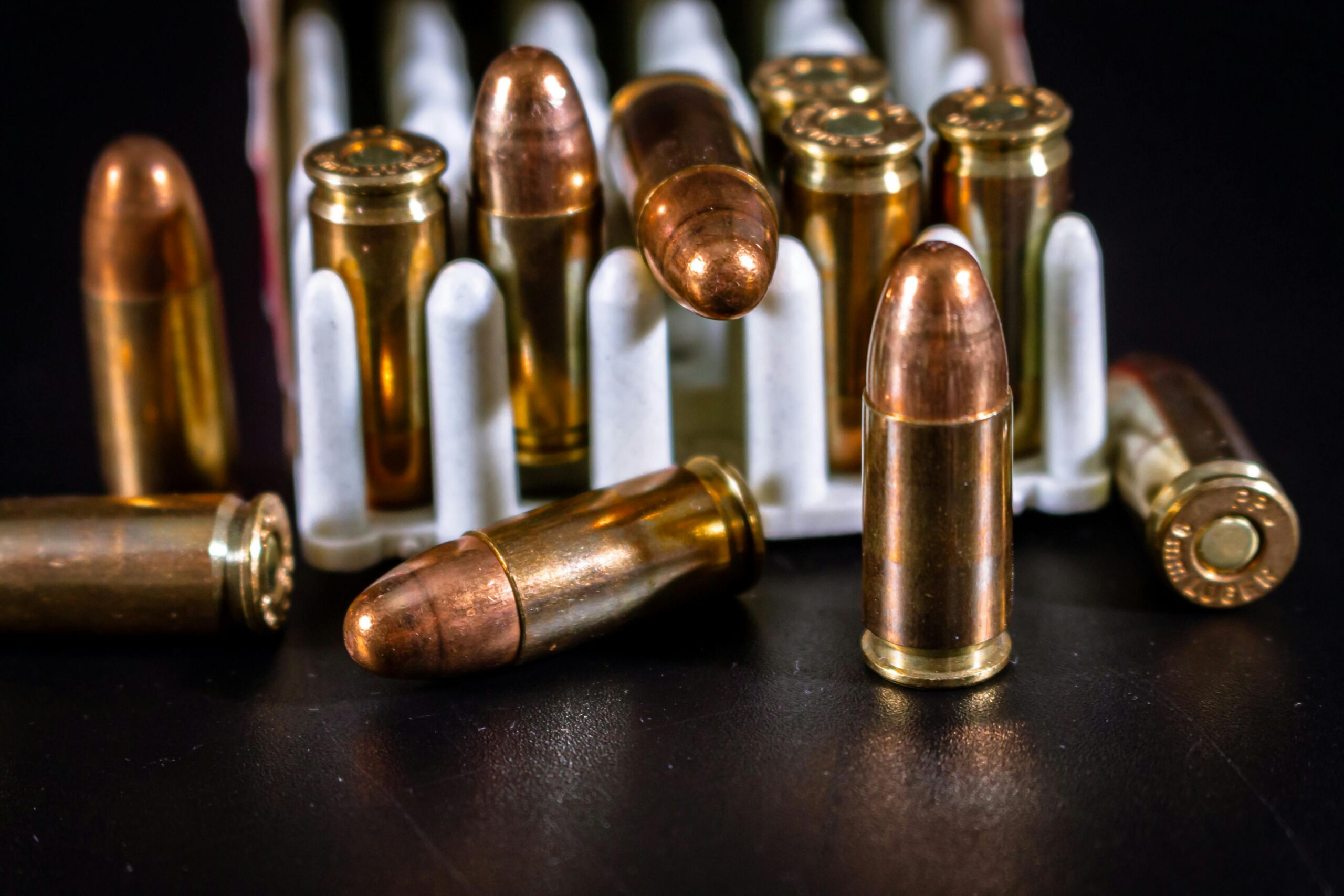
A 22 caliber suppressor is one of the first things shooters look into when they ask, “How quiet can I actually get my rimfire?” Whether you are new to suppressors or just want to understand what makes rimfire suppression different, this guide has you covered.
From how they work to what to look for, how to maintain them, and what the latest legal changes mean for buyers today.
Why Rimfire Is the Best Starting Point for Suppressed Shooting
If you have never owned a suppressor, starting with rimfire is a smart move. The .22 LR operates at significantly lower chamber pressure than centerfire cartridges like 9mm or .223. That means gases are easier to trap and dissipate, and the result is better sound reduction with less work from the suppressor.
Unsuppressed .22 LR noise levels vary by platform. From a rifle, expect roughly 139 to 141 dB. From a pistol, that number climbs to the 155 to 161 dB range, well above the threshold for hearing damage. Add a quality suppressor and subsonic ammunition, and those levels can drop to approximately 110 to 128 dB, depending on the host and suppressor combination.
With the right setup and subsonic ammo from a rifle host, suppressed rimfire can approach hearing-safe thresholds. Ear protection is still a smart habit for extended sessions.
Rimfire ammunition is also some of the most affordable on the market. That makes it easy to log serious range time without burning through your budget. Common host firearms include:
- Ruger 10/22 and Mark-series pistols
- Bolt-action .22 LR rifles
- .22-chambered pistol-caliber platforms
If it is threaded and chambered in rimfire, it is a solid candidate for a can.
How a Rimfire Suppressor Reduces Sound
Baffle Stacks and Expansion Chambers
When a round exits the barrel, it is followed by a fast-moving column of pressurized gas. The suppressor slows that gas through a series of internal baffles and expansion chambers that redirect and cool it before it escapes.
Because rimfire rounds produce lower pressure than centerfire, the baffles inside a rimfire can be built lighter and more compact without sacrificing durability. This is why rimfire suppressors tend to be smaller and easier to carry than centerfire models.
There are two main internal designs to know:
- Monocore — a single machined piece with baffles cut in, easier to clean
- Stacked baffles — individual pieces loaded inside the tube, more flexible but require more care during reassembly
First-Round Pop and What Causes It
The first shot through a suppressor is almost always louder than the ones that follow. This is called first-round pop. It happens because residual oxygen inside the can reacts with hot gases from the round on ignition. The result is a brief, louder initial report.
After the first round, the oxygen is displaced. Subsequent shots are quieter and more consistent. It is completely normal and not a sign that anything is wrong.
Ammunition choice also plays a big role. Supersonic .22 LR rounds produce a distinct crack as the bullet breaks the sound barrier, and no suppressor eliminates that. Subsonic loads travel below the speed of sound, roughly 1,125 fps at sea level.
Most manufacturers label their subsonic .22 LR ammo at approximately 1,050 fps or below, providing a safety margin across different temperatures and altitudes. These loads remove the sonic crack entirely.
What to Look for in a 22 Caliber Suppressor
Construction Materials and Their Trade-offs
The material your 22 caliber suppressor is built from directly affects weight, durability, and price. Here is how the three main options break down:
- Aluminum — lightest and most budget-friendly. Handles rimfire pressures well. Better suited for casual use and moderate round counts.
- Stainless steel — significantly more durable. Holds up to heavy rimfire fouling. Worth the extra weight for high-volume rifle use.
- Titanium — best weight-to-strength ratio. Lighter than stainless but equally tough. Preferred for hunting builds and carry setups, at a higher price point.
Thread Compatibility and Adapter Use
Most .22 LR rifles and pistols use a 1/2×28 threaded barrel. That is the standard pitch for rimfire hosts in the US, and the majority of suppressors are built to match it.
Some pistols use non-standard thread pitches. Walther, GSG, and certain Sig rimfire pistols are common examples. Those hosts require a brand-specific adapter to mount a suppressor correctly.
Always confirm your barrel’s thread pitch before purchasing. It is one of the most common and easily avoided mistakes first-time suppressor buyers make.
User-Serviceability for Rimfire Fouling
Rimfire ammunition is notoriously dirty. The priming compound in .22 LR cartridges leaves behind lead and carbon at a higher rate than centerfire rounds. That fouling builds up inside the suppressor and degrades sound performance over time if left unchecked.
User-serviceability is a major factor for rimfire cans. Look for:
- Tool-free disassembly or simple wrench-based takedown
- Designs that give full access to the baffle stack for cleaning
Sealed suppressors exist in the rimfire space, but cleaning is limited to the exterior and bore. For rimfire use specifically, a serviceable design is the smarter long-term choice.
Caliber Versatility
Many 22 caliber suppressors are rated for more than just .22 LR. Common additional calibers include .17 HMR, .22 WMR, .22 Mag, and even 5.7x28mm. That versatility means one registered suppressor can serve multiple firearms in your collection.
Always verify the caliber rating in the product specs or operator manual before mounting your can on anything beyond its primary intended caliber.
Cleaning and Maintaining a 22 Caliber Suppressor
Cleaning Frequency and Methods
Rimfire suppressors need more attention than centerfire cans. Plan to clean your 22 caliber suppressor every 500 to 1,000 rounds. If you are shooting particularly dirty ammunition, lean toward the lower end of that range.
For serviceable suppressors, cleaning options include:
- Ultrasonic cleaner — the most thorough method, breaks down lead and carbon without heavy scrubbing
- Solvent soak plus brush cleaning — a solid alternative without ultrasonic equipment
For sealed suppressors, avoid submerging in solvent unless the manufacturer explicitly approves it. Trapped moisture leads to internal corrosion. Stick to wiping down the exterior and running a clean patch through the bore.
Inspection, Storage, and Longevity
A few simple habits go a long way toward extending the life of your suppressor:
- Check threads for carbon buildup before and after each session
- Confirm the suppressor is seating properly on the barrel
- Inspect baffles for lead deposits or unusual wear during disassembly
When storing, treat it like a firearm. Keep it cool, dry, and away from humidity. A sealed case or suppressor pouch keeps dust and moisture out between range trips.
Always follow the manufacturer’s cleaning guidelines. Liberty Suppressors provides operator manuals and warranty documentation on their website. Staying within those guidelines keeps your suppressor performing at its best and protects your warranty coverage.
Conclusion
A 22 caliber suppressor is one of the most practical and accessible NFA items available. Rimfire is forgiving, inexpensive to shoot, and gives you a solid introduction to what suppressed shooting actually feels like.
The timing is better than it has ever been. As of January 1, 2026, the $200 NFA tax stamp was eliminated under H.R. 1, the One Big Beautiful Bill. You still need ATF Form 4, a background check, and approval before taking possession. But the financial barrier that kept many buyers on the sidelines is now gone.
Liberty Suppressors builds American-made suppressors in Trenton, Georgia. Their rimfire lineup is designed for real-world use, and their team is available by phone with questions. Browse their suppressor models or find a stocking dealer near you to get started. There has never been a better time to own a 22 caliber suppressor.
Frequently Asked Questions (FAQs)
1. Do I need a special license to buy a 22 caliber suppressor?
No special license is required for civilians in suppressor-legal states. You complete ATF Form 4, pass a background check, and wait for ATF approval. As of January 1, 2026, the $200 tax stamp fee is no longer required under federal law.
2. How long does ATF approval take after I submit my Form 4?
Approval times vary by submission volume. In late 2025, eForm 4 approvals processed in days to a few weeks. Demand has increased following the 2026 tax stamp elimination, so wait times may be longer. Filing electronically gives you the best chance of faster processing.
3. Can I use a rimfire suppressor on calibers other than .22 LR?
Many models are also rated for .17 HMR, .22 WMR, and .22 Mag. Some support 5.7x28mm. Always check the manufacturer’s caliber rating before use.
4. Is subsonic ammunition required to shoot suppressed?
No, but it is strongly recommended for maximum sound reduction. Supersonic rounds produce a sonic crack no suppressor can eliminate. Subsonic loads remove that variable entirely.
5. How do I know if my .22 firearm is suppressor-ready?
It needs a threaded barrel. Most .22 LR barrels thread at 1/2×28, the standard US rimfire pitch. If yours is not threaded, a gunsmith can thread it, or a threaded replacement barrel is available for many popular models.