

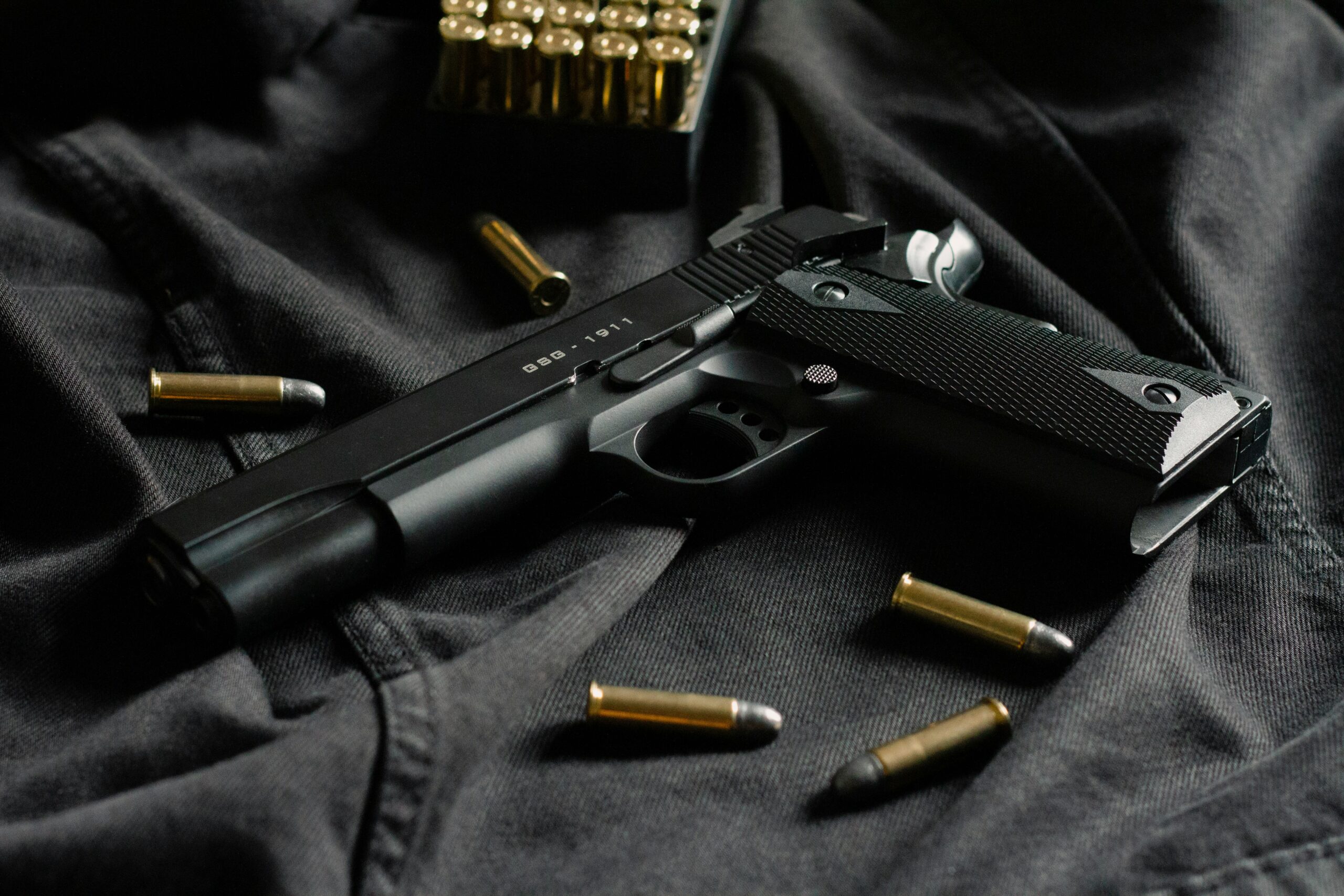
Finding the best budget 9mm suppressor is one of the first questions shooters ask once they decide to go suppressed. You want reduced noise, less muzzle blast, and a more controlled shooting experience. The goal is to get there without spending a thousand dollars.
The NFA process and the wide range of price points can make it feel more complicated than it is. This guide covers everything you need to make a confident decision, from total ownership costs to the specs that actually matter.
The True Cost of 9mm Suppressor Ownership
The NFA Process and Total Cost Breakdown
Every suppressor sold in the United States is regulated under the National Firearms Act. That means submitting a Form 4 to the ATF, completing a background check, and waiting for approval before taking possession.
As of January 1, 2026, the federal NFA transfer tax for suppressors was eliminated under the One Big Beautiful Bill (Public Law 119-21). Suppressors are still NFA-regulated items and ATF approval is still required. The $200 tax fee, however, is now $0.
The real total cost today is the suppressor price plus any mounting hardware or adapters not included in the box.
Where Budget Suppressors Fall on the Price Spectrum
Pistol suppressors generally start around $375 and average closer to $600. That puts the budget tier between $375 and $700, a range where quality and affordability genuinely overlap.
The gap between a budget can and a premium one usually comes down to added features like modularity or exotic materials. It is not about raw suppression performance. For most range shooters, home defenders, or PCC enthusiasts, the budget segment delivers exactly what they need.
Key Features to Evaluate Before Buying
Materials and Build Construction
Material choice directly affects how long your suppressor lasts under sustained fire. The three most common options each serve a different role:
- Aluminum — lightest and least expensive, but wears faster and is not ideal for high-volume 9mm use
- Stainless steel — handles heat well and resists corrosion, best suited for internal baffle structures
- Titanium — preferred for outer tubes, balances light weight with excellent tensile strength
A suppressor pairing a stainless steel core with a titanium tube gives you lasting durability without pushing into premium pricing.
Decibel Reduction and Hearing-Safe Thresholds
An unsuppressed 9mm pistol typically registers between 160 and 165 dB. That is well above the 140 dB peak sound pressure level OSHA identifies as the upper limit for impulse noise exposure.
Bringing that number below 140 dB is the practical target for hearing-safe shooting. Most budget 9mm suppressors achieve 24 to 34 dB of reduction depending on ammo and wet or dry use.
First-round pop is also worth knowing about. It happens when oxygen trapped in the suppressor ignites on the first shot. Baffle geometry and internal volume both affect how pronounced it is.
Mounting Systems and Thread Compatibility
Most 9mm pistols use a 1/2×28 thread pitch, the standard for this caliber. Direct thread mounts are the simplest and most affordable option. They attach directly to the barrel and stay secure during use.
Quick-detach systems add convenience across multiple hosts, but at added cost. For semi-automatic pistols, a piston and booster assembly is also required. It allows the barrel to cycle properly under recoil. Confirm whether the booster is included before purchasing.
Disassembly and Routine Maintenance
The 9mm cartridge runs dirty. Carbon buildup is expected, which makes a take-apart design a necessity rather than a bonus. Hand-disassembly without tools makes routine cleaning far less of a burden.
Look for a simple indexing or locking system between the core and outer tube. It keeps reassembly foolproof after a deep clean. Stainless steel cores hold up well to chemical solvents and ultrasonic cleaning, both effective for 9mm suppressors.
What Separates a Best Budget 9mm Suppressor From the Rest
Dedicated 9mm vs. Multi-Caliber Suppressors
A suppressor built specifically for 9mm has bore sizing and baffle spacing optimized for that cartridge. That means better gas management, more consistent sound reduction, and less carbon migration.
Multi-caliber suppressors offer versatility but compromise on bore diameter. For shooters running 9mm as their primary caliber, a dedicated can performs better at the same price. Multi-caliber options make sense if you need one suppressor across several platforms, but 9mm-specific performance takes a hit.
Size, Weight, and Host Pistol Balance
A suppressor that is too long or too heavy upsets the natural balance of a pistol. This matters most on a carry gun or home defense firearm. Longer suppressors offer more internal volume and slightly better sound reduction, but they add significant overall length.
Added muzzle weight affects target transitions and fatigue over a long range session. For pistol use, shorter and lighter is usually the better trade, even at the cost of a decibel or two.
The Liberty Centurion — Performance and Value
Why It Qualifies as a Best Budget 9mm Suppressor
The Liberty Centurion delivers real performance without inflating the price with features most shooters never use. Key specs at a glance:
- Length: 5.3 inches suppressor-only, 6.5 inches with booster
- Weight: 7.9 oz suppressor-only, 12.5 oz with booster installed
- Construction: Titanium outer tube, stainless steel monocore
- Mount system: MX family, compatible with a wide range of adapters
- Origin: Made in Trenton, Georgia, USA
That build combination, titanium tube over stainless core, delivers durability and corrosion resistance well within the budget segment.
Wet and Dry Suppression Performance
Dry, the Centurion delivers approximately 24 dB of sound reduction. That brings average subsonic 9mm output to around 136.6 dB, a figure that already accounts for first-round pop.
Run wet with water or soluble lubricant and reduction climbs to approximately 32 dB. That pushes performance well below the OSHA 140 dB threshold. After the first shot, suppression stabilizes and stays consistent through the session.
Multi-Platform Versatility and Kit Configurations
The Centurion runs on 9mm handguns and PCCs, and also handles 22LR hosts and subsonic 300 Blackout carbines. That adds real versatility without needing a second suppressor.
The Centurion Kit includes everything needed to get started:
- Centurion 9mm suppressor
- 1/2-28 booster assembly
- Two low-profile direct thread adapters
Liberty also offers layaway and Credova financing. The full purchase cost does not need to come out of pocket all at once.
Ammo Selection for Maximum Sound Reduction
Subsonic vs. Supersonic 9mm Performance
A supersonic bullet breaks the sound barrier in flight and produces a distinct crack. No suppressor can eliminate that crack. It is separate from the muzzle blast the suppressor is reducing.
Subsonic 9mm, typically 147 grain or heavier, keeps the projectile below the speed of sound. That eliminates the crack entirely and delivers the quietest possible result from your setup.
Practical Ammo Guidance for Suppressed 9mm
For range use and home defense, 147-grain subsonic loads are the best starting point with the Centurion. They cycle reliably in most modern 9mm pistols and deliver the best suppression results wet or dry.
Some pistols with stiffer recoil springs may have trouble cycling with subsonic ammo and a suppressor installed. Running a break-in round count through your specific host confirms reliability before committing to a defensive role.
The NFA Purchase Process Simplified
Form 4 Filing Essentials
Buying a suppressor requires submitting a Form 4 to the ATF. Filing options are individual or through an NFA gun trust. A trust adds flexibility when multiple people need legal access. An individual filing works well for most buyers.
The eForm 4 digital submission is the fastest option available. Before the January 2026 application surge, average approvals ran 10 to 23 days per ATF published data. Volume has increased significantly since the transfer tax was eliminated. Filing electronically remains the best approach regardless of current processing times.
Conclusion
Shopping for the best budget 9mm suppressor comes down to knowing what matters and not overpaying for what does not. Durable materials, solid dB reduction, proper host compatibility, and a design you can clean without frustration are the fundamentals. The Liberty Centurion delivers all of them in a compact, lightweight, US-made package.
If you are ready to go suppressed without going overboard on cost, explore the Centurion and the Centurion Kit at the Liberty Suppressors shop. The best budget 9mm suppressor is closer than you think.
Frequently Asked Questions (FAQs)
1. Do I still need to pay the $200 tax stamp for a suppressor?
No. The NFA transfer tax for suppressors was eliminated as of January 1, 2026 under the One Big Beautiful Bill (Public Law 119-21). The fee is now $0. Form 4 filing and ATF approval are still required before taking possession.
2. Do I need a threaded barrel to use a 9mm suppressor?
Yes. A threaded barrel is required. Most 9mm pistols use a 1/2×28 thread pitch, either factory-threaded or via an aftermarket barrel.
3. How long does ATF Form 4 approval take?
Before the 2026 application surge, eForm 4 approvals averaged 10 to 23 days. Volume has increased since the tax was eliminated and times are now variable. Electronic filing via eForm 4 is still the fastest option.
4. Can the Liberty Centurion be used on calibers other than 9mm?
Yes. The Centurion is compatible with 22LR and subsonic 300 Blackout in addition to 9mm. The MX mount family supports adapters for a wide range of host platforms.
5. Is a dedicated 9mm suppressor better than a multi-caliber option?
For primarily 9mm use, yes. A dedicated suppressor offers better optimized reduction and reliability at the same price. Multi-caliber options add flexibility with a slight 9mm performance tradeoff.