

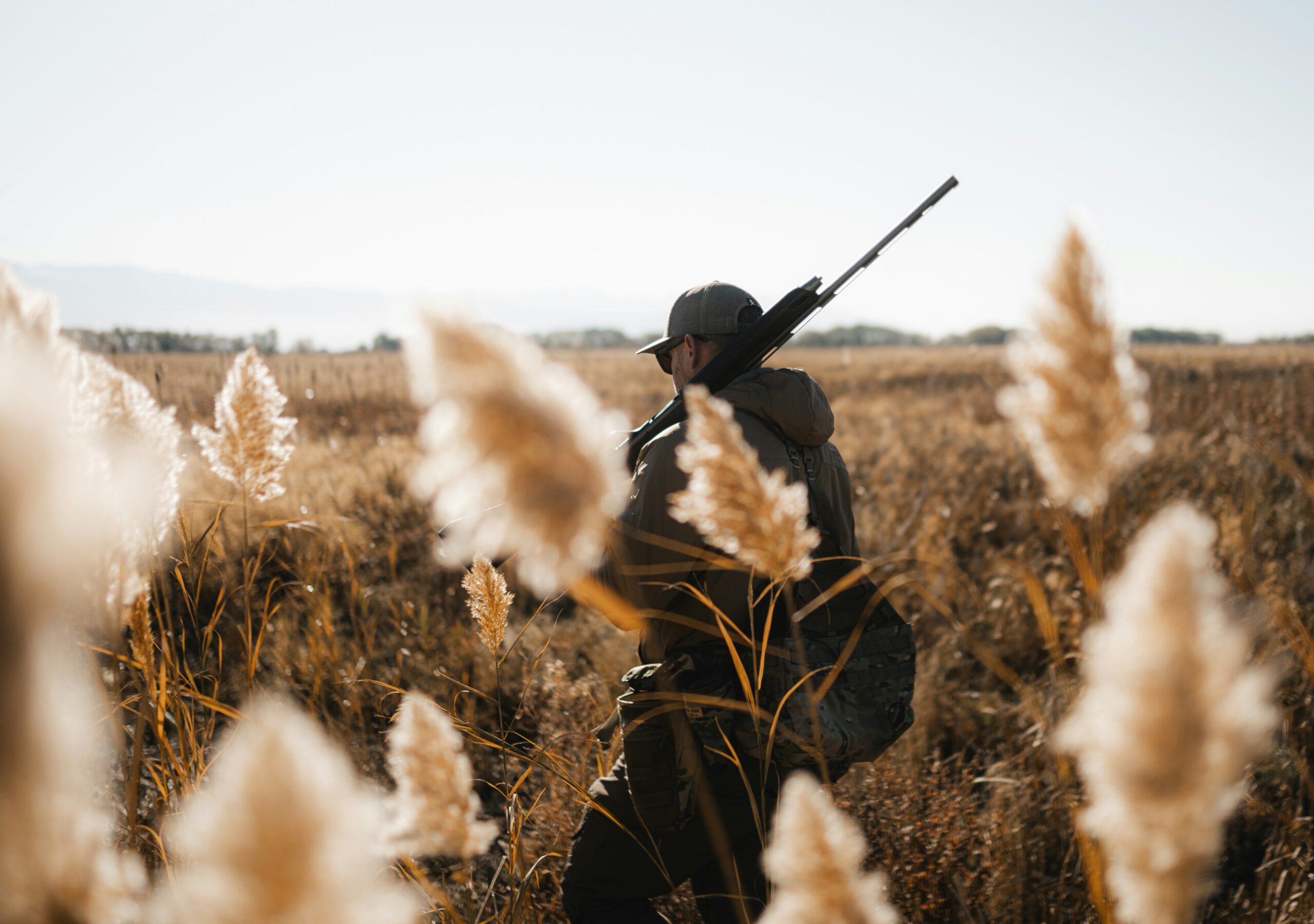
A hunting suppressor can be one of the smartest additions to your rifle setup, but only when it is the right one. More hunters are running suppressed every season, and the advantages are real.
A poor choice works against you in the field. Too heavy and your rifle becomes a burden after miles of steep terrain. Too cheaply built and it fails when conditions turn. Getting this right means treating your suppressor as part of a complete system, not an afterthought.
Field Advantages of Hunting Suppressed
Before getting into specs and materials, it helps to understand what a suppressor actually delivers in the field.
Hearing Protection
A single unsuppressed shot from a centerfire rifle can easily exceed 160 dB, well above the threshold for permanent hearing damage. Most hunters never wear ear protection in the field because it kills situational awareness. A suppressor cuts that report down significantly, letting you stay alert without ear gear between shots.
Recoil Reduction and Shot Recovery
Suppressors moderate gas release at the muzzle, which softens felt recoil and reduces muzzle rise. You stay in the scope after the shot, call your impacts faster, and recover for a follow-up round more quickly. For heavy-recoiling cartridges or group hunts where multiple shots are needed, that is a real field advantage.
Game Behavior and Reduced Disturbance
Suppressed shots disorient game rather than sending the whole field running. Animals often freeze or circle in confusion, giving hunters a second opportunity when a follow-up is needed. In a group hunt, one suppressed shot is far less likely to ruin the next opportunity nearby.
Weight Considerations by Material
Material drives most of a suppressor’s weight, and weight is where hunters feel the biggest impact during long carries or technical terrain.
Titanium
Titanium suppressors typically weigh between 8 and 16 ounces. They are the go-to choice for backcountry hunters who count every ounce. The premium price tag is real, but the weight savings is clearly felt over a full day on foot.
Stainless Steel
Stainless steel suppressors generally run 16 to 32 ounces. They are heavier but more affordable than titanium and extremely durable under hard use. For hunters shooting from stands, blinds, or vehicles where carry weight is minimal, the extra mass is rarely a concern. Steel handles high-pressure cartridges and sustained fire very well.
Aluminum
Aluminum is the lightest common suppressor material but comes with real limitations for centerfire hunting. It is suited for rimfire and lower-pressure calibers. In demanding field conditions with full-power cartridges, aluminum may not hold up over time.
Weight Matched to Hunt Style
The right weight depends entirely on how you hunt:
- Spot-and-stalk hunters in open country should prioritize light and compact builds
- Stand and blind hunters can focus more on sound reduction and durability
- High-country hunters covering miles daily benefit most from titanium construction
Know your terrain and hunting style before locking in a material choice.
Durability Standards for a Hunting Suppressor
A hunting suppressor takes real punishment. Rain, mud, brush, temperature swings, and hard knocks are part of the deal. Durability is not optional.
Weather and Corrosion Resistance
Corrosion is a slow killer for suppressor internals. Titanium and stainless steel both offer strong corrosion resistance, but finish and baffle design matter too. A suppressor that traps moisture and cannot drain properly will degrade faster than one engineered for outdoor conditions.
Impact and Heat Tolerance
Suppressors heat up fast after firing. Repeated thermal cycling stresses welds and baffle connections over time. Carbon buildup accelerates with heat, so a design that manages fouling matters for sustained field performance.
Protective Coatings
Cerakote and similar coatings add meaningful protection against abrasion, moisture, and UV exposure. They also reduce visual signature by cutting down on light reflection. A good coating is not cosmetic. It extends service life in real outdoor conditions.
Mounting System Options
How your suppressor attaches to the muzzle affects ease of use, accuracy, and overall system weight.
Direct-Thread
Direct-thread suppressors screw directly onto your barrel’s muzzle threads. They are simpler, lighter, and tend to produce more consistent accuracy because there are fewer connection points. For hunters who keep one suppressor on one rifle, direct-thread is a clean and dependable setup.
Quick-Detach
Quick-detach systems allow fast attachment and removal without tools. This is useful when sharing a suppressor across multiple rifles or switching configurations. QD mounts add some weight and complexity, and the interface needs proper maintenance to preserve reliability over time.
Length, Balance, and Handling
Adding any suppressor shifts the balance point of your rifle forward. A longer, heavier suppressor can make the rifle feel muzzle-heavy in tight spaces and slow target acquisition. Shorter suppressors give up some sound reduction but preserve handling. Hunters in dense brush or elevated stands often prefer compact designs for this reason.
Sound Reduction and Caliber Compatibility
Not every suppressor fits every caliber or hunting scenario. Understanding this helps narrow the selection.
Caliber-Specific vs. Multi-Caliber
A caliber-specific suppressor is generally lighter and better optimized for noise reduction on that cartridge. Multi-caliber suppressors offer versatility across a battery of rifles, which suits hunters running more than one platform.
The tradeoff is that a multi-caliber can is typically heavier and may not be as efficient on any single cartridge.
Realistic Sound Reduction
Suppressed is not silent. A quality centerfire hunting suppressor typically reduces sound by 30 to 40 dB, bringing most rifle cartridges down to approximately 130 to 150 dB depending on cartridge, barrel length, and ammunition. A suppressed .308 still registers in the upper 140s in most real-world tests. Treat manufacturer ratings as a starting reference, not a guarantee.
First-Round Pop
The first shot through a cold, dry suppressor is louder than follow-up shots. Residual oxygen inside the tube combusts on ignition, which can add 5 to 10 dB to that first round. For hunters who may only get one shot at an animal, this matters. Some suppressors are specifically engineered to minimize first-round pop, and it is worth asking about during selection.
Accuracy and POI Shift
Adding a suppressor almost always produces some change in point of impact. This is expected and manageable.
What Causes POI Shift
POI shift occurs because the suppressor adds mass and alters how the barrel vibrates during firing. The amount of shift depends on several factors:
- Suppressor weight
- Mounting system design
- Barrel profile and contour
Most hunters see a consistent shift of 1 to 3 inches at 100 yards. Heavier suppressors on thinner barrels tend to produce more shift than compact suppressors on heavy-profile barrels.
Repeatability Over Absolute Shift
The amount of shift matters less than whether it is consistent. A suppressor that returns to the same POI every time it is properly mounted is one you can zero for and trust. Problems arise when a QD mount is not fully seated or when threads are worn. Consistent mounting habits resolve most POI issues before they start.
Matching a Hunting Suppressor to Rifle and Terrain
A hunting suppressor decision is not just about the can. It is about how the entire system performs in the conditions you actually hunt.
Backcountry and Spot-and-Stalk
For hunters covering miles on foot in mountain terrain, weight and compactness are top priorities. Titanium suppressors in the 8 to 12 ounce range are a strong fit. The sound reduction tradeoff compared to heavier cans rarely makes a practical difference at hunting distances, but your shoulders will notice the weight after a long day.
Stand and Blind Hunting
When movement is minimal and carry weight is not a concern, focus can shift to sound reduction and long-term durability. Stainless steel suppressors are a natural match for setups where you may sit for hours and take only one shot. A QD system is also practical here for swapping between configurations between seasons.
A Balanced Rifle-Suppressor Setup
The best setups are built with intention. Barrel length, thread pattern, and suppressor dimensions should be matched to keep overall system length manageable. Pairing a lightweight stock with a compact suppressor keeps the platform practical without sacrificing performance at distance.
Federal and State Suppressor Regulations
Current NFA Requirements
Suppressors remain regulated under the National Firearms Act. Purchasing one requires:
- Completing an ATF Form 4
- Passing a federal background check
- Transferring through an FFL dealer with Special Occupational Tax (SOT) status
Not every FFL is authorized to handle NFA items. Confirming your dealer’s SOT status is an important first step.
The most significant regulatory shift in decades was the elimination of the $200 federal tax stamp. That fee is now $0, but the registration process remains in place. Removing that cost barrier has made suppressor ownership far more accessible for hunters across the country.
Suppressor Hunting Legality by State
42 states currently allow civilian suppressor ownership, and 41 permit their use for hunting. Georgia, home to Liberty Suppressors in Trenton, is fully suppressor-friendly. No additional state permits are required beyond standard federal NFA compliance.
Always verify your own state’s current regulations before heading afield.
Conclusion
Weight, durability, and field performance are the three decisions every hunter faces when selecting a suppressor, and none of them exist in isolation. The right choice depends on the terrain you cover, the rifle you run, and how you actually hunt.
At Liberty Suppressors, every can is manufactured right here in Trenton, Georgia, with all three priorities built in from day one. If you are ready to run suppressed, explore the lineup and find the hunting suppressor that fits the way you hunt.
Frequently Asked Questions (FAQs)
1. How much does a hunting suppressor typically weigh?
Weight depends on material. Titanium runs 8 to 16 ounces and suits mobility-focused hunters. Stainless steel runs 16 to 32 ounces and suits stand or blind setups. Aluminum is lightest but limited to rimfire and low-pressure calibers.
2. Will a suppressor change where my rifle shoots?
Yes, but the shift is usually consistent and manageable. Most setups see 1 to 3 inches of shift at 100 yards. Zero your rifle with the suppressor attached and the shift is easy to account for.
3. Do I still need to go through the ATF process to buy a suppressor?
Yes. You still complete an ATF Form 4, pass a background check, and transfer through an FFL dealer with SOT status. The $200 tax stamp has been eliminated, but the full NFA registration process remains in place.
4. Can I use a suppressor for hunting in Georgia?
Yes. Georgia requires no additional state permits beyond standard federal NFA compliance. Suppressed hunting is permitted across all legal game species in the state.
5. Is a titanium suppressor worth the extra cost for hunting?
For hunters covering significant ground on foot, yes. The weight savings over stainless steel adds up over a full day in the field. For stand or blind hunters where carry weight is not a concern, stainless steel offers solid durability at a lower price point.