

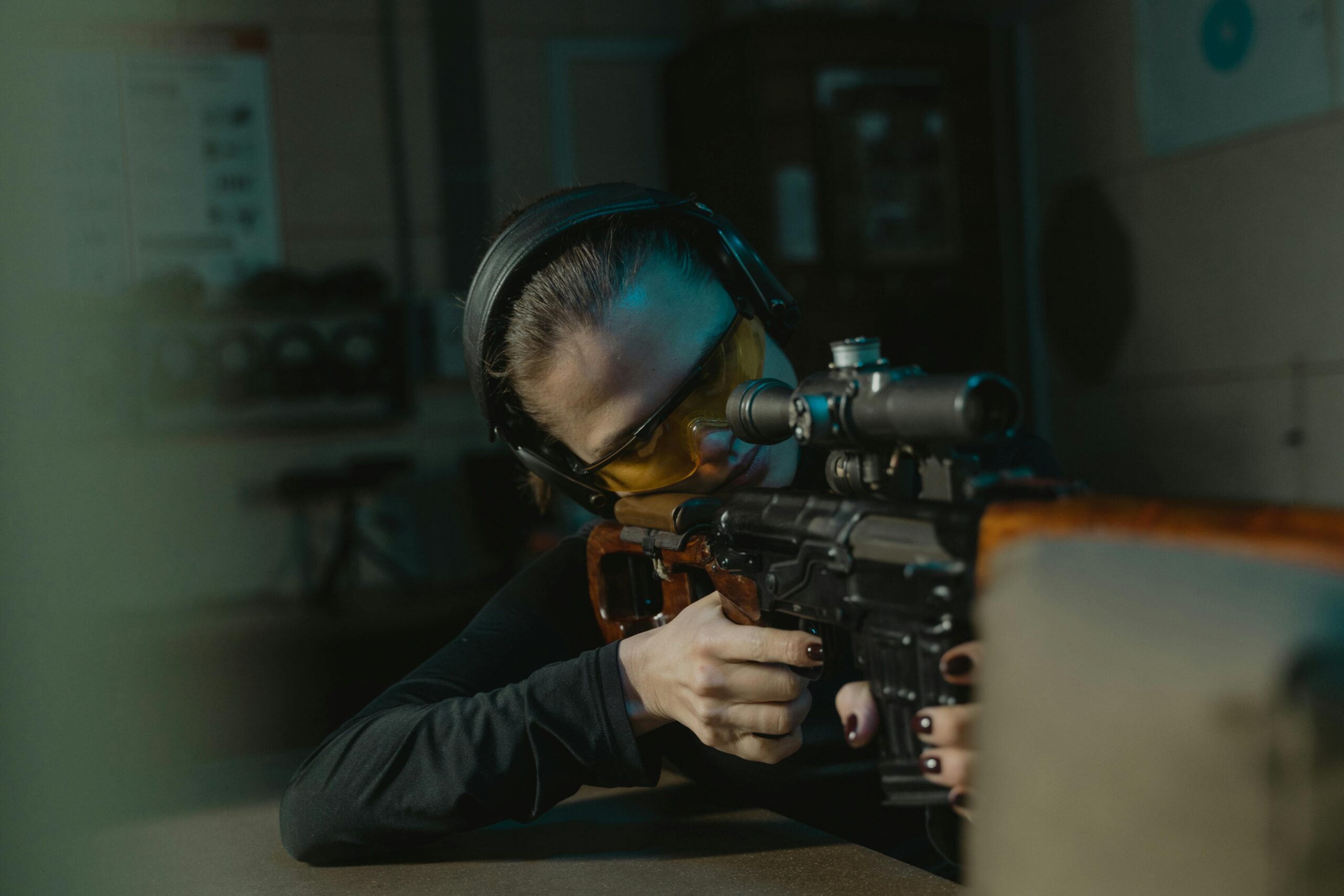
Suppressor recoil reduction is one of the most underrated reasons to add a silencer to your rifle or pistol. Most people focus on noise reduction, and that is fair. But once you shoot suppressed, the reduced kick and flatter muzzle become just as noticeable as the quieter report.
Whether you are a hunter needing a clean second shot, a competitor chasing tighter split times, or a new shooter trying to build confidence, managing recoil matters. This article covers the mechanics behind how it works, what reduction you can realistically expect, and why it directly improves follow-up shot accuracy.
The Physics of Firearm Recoil
Newton’s Third Law in the Firing Sequence
When you pull the trigger, propellant gases ignite and expand behind the bullet. They push it forward through the bore. That same force pushes back in the opposite direction, directly into the firearm. This is Newton’s Third Law: every action has an equal and opposite reaction.
No matter the caliber, this rearward force is unavoidable. What changes is how intense it feels and how quickly it travels through the shooter’s hands, wrists, or shoulder.
Suppressor recoil reduction does not eliminate the physics. It changes how that energy is delivered.
Variables That Intensify Felt Recoil
Several factors determine how hard a firearm kicks. The biggest ones:
- Caliber and powder charge — more powder creates a stronger rearward impulse
- Bullet weight and velocity — faster, heavier projectiles generate more propellant gas energy
- Firearm weight — a heavier platform absorbs more energy before it reaches the shooter
- Dwell time (gas-operated firearms only) — in semi-automatic gas-operated platforms like AR-style rifles, dwell time affects the timing and character of the recoil cycle
All of these variables set the baseline a suppressor works against.
How Suppressor Recoil Reduction Works
Baffle-Stage Gas Deceleration
Inside a suppressor, a series of baffles creates chambers that trap and slow expanding gases. Instead of gases escaping all at once, they cycle through each chamber, losing pressure at every stage.
This staged deceleration converts a sharp recoil impulse into a slower, more spread-out push. Felt recoil becomes noticeably softer as a result.
The same process that reduces the sound signature also reduces the mechanical force driving the firearm rearward. Suppressor recoil reduction is a direct mechanical outcome, not just a side effect.
Added Forward Mass and Muzzle Behavior
A suppressor mounted at the muzzle adds meaningful weight to the front of the firearm. This shifts the balance point forward and changes how the rifle or pistol moves when fired.
More forward mass resists the rotational forces that cause the muzzle to whip or rise between shots. On lighter platforms like compact pistols or short-barreled rifles, this effect is especially pronounced.
It is a passive, physics-based benefit. The shooter does not have to do anything extra to take advantage of it.
Muzzle Rise During Rapid Fire
The primary cause of muzzle rise is geometry: the bore axis sits above the firearm’s center of mass and above the shooter’s contact points, whether that is a handgrip or a rifle stock. When the gun fires, the recoil force along the bore creates a rotational torque that pitches the muzzle upward. Escaping propellant gas contributes to this as a secondary factor.
A suppressor helps counter muzzle rise in two ways. The added forward weight increases the rotational resistance at the muzzle end. The containment of exiting gas also reduces the secondary gas-driven component of muzzle pitch.
The result is a flatter shooting path between rounds, which directly shortens the time needed to reacquire your target after each shot.
Realistic Recoil Reduction Ranges
What Shooters Can Expect Across Calibers
Most shooters report felt recoil reduction in the range of 20 to 40 percent when running a suppressor. The exact figure depends on caliber, powder load, suppressor design, and firearm weight.
Here is how it generally breaks down by platform:
- Rimfire — least dramatic reduction; less recoil to start with
- Centerfire rifle (.308, 6.5 Creedmoor, .30-06) — most noticeable improvement
- Pistol calibers — solid middle ground
Pairing a suppressor with subsonic ammunition can compound the effect by reducing the overall recoil impulse at the source. Reduced muzzle blast and concussion also lower perceived recoil, which matters just as much in real-world shooting.
Suppressor vs Muzzle Brake for Recoil Control
A muzzle brake typically delivers greater raw recoil reduction. It vents gases aggressively to the sides and rear, which is effective at countering rearward force. But the trade-off is significant.
Muzzle brakes increase noise and lateral blast dramatically. They are hard on hearing and less practical in hunting or any scenario with others nearby.
A suppressor offers meaningful recoil reduction alongside sound attenuation and improved muzzle control. For most shooters, that balance is more useful than raw recoil numbers alone.
Field Impact on Follow-Up Shots and Control
Faster Target Reacquisition
When the muzzle rises less and returns to position faster, your optic or iron sight stays closer to where you need it. That means shorter recovery time between shots.
In precision shooting, this can be the difference between spotting your own impact and losing the sight picture entirely. In competitive shooting, faster reacquisition tightens split times and improves stage performance.
Flinch and Shooter Fatigue Reduction
Flinch develops when the brain anticipates a loud noise or strong impact and reacts early. Both sound and recoil drive this response.
A suppressor addresses both at once. Reduced blast and reduced kick give the nervous system less to react against. Over a long session, this preserves accuracy in a way that grip technique alone cannot fix.
For new shooters, the benefit is especially meaningful. Less recoil and less concussion make it easier to build correct form from the start.
Practical Advantages by Shooter Type
Hunters:
- Reduced kick allows a faster, more controlled follow-up shot
- Lower sound signature is less likely to scatter nearby game
Competitive shooters:
- Flatter muzzle and faster recovery tighten split times
- Reduced flinch builds more consistent performance across a match
Defensive and tactical shooters:
- Reduced recoil keeps shots on target under stress
- Better control lowers the risk of stray rounds in close-quarters situations
Selecting a Suppressor for Suppressor Recoil Reduction
Baffle Design, Weight, and Material Trade-offs
Heavier suppressors add more forward mass and improve recoil management. But they also affect handling and carry balance. The right weight depends on the platform and intended use.
Baffle design considerations:
| Design | Characteristics | Maintenance |
| Stacked baffle | Modular, wide performance range | More parts to clean |
| Monocore | Single-piece core, consistent gas flow | Easier to clean |
Back-pressure levels in both designs vary by specific geometry, port sizing, and internal volume. Neither design type universally produces higher or lower back-pressure. The right choice depends on the host platform, caliber, and intended use.
Material matters too. Titanium is lighter and well suited for field carry. Aluminum is a cost-effective option for range use. Neither is universally superior.
Mounting alignment is critical regardless of design. A suppressor not properly aligned with the bore affects point of impact and produces inconsistent results. Proper installation and a quality mount are not optional.
Liberty Suppressors for Recoil-Conscious Shooters
Liberty Suppressors is based in Trenton, Georgia, and manufactures all of their suppressors in the United States. Their lineup covers rimfire, pistol, and centerfire rifle calibers.
Their adapter system lets a single suppressor mount across multiple host firearms. That is practical for shooters running different platforms without wanting to buy multiple cans.
Every suppressor is built at their Trenton, Georgia facility. The focus on light, durable, and quiet design delivers real performance without unnecessary bulk. If recoil control is a priority, the Liberty lineup is worth a close look across rimfire, pistol, and centerfire rifle options.
Conclusion
Suppressor recoil reduction comes down to two mechanical drivers: staged gas deceleration through the baffle stack and added forward mass at the muzzle. Both work together to soften felt recoil, counter muzzle rise, and shorten recovery time between shots.
The results are real and repeatable. Faster follow-up shots, less flinch, reduced fatigue, and better control across hunting, competition, and defensive use. These are predictable outcomes of basic physics.
If you are ready to experience suppressor recoil reduction firsthand, browse the Liberty Suppressors catalog or reach out to the Liberty team to find the right can for your setup.
Frequently Asked Questions (FAQs)
1. Do suppressors actually reduce recoil, or is it mostly perceived?
Both. Suppressors produce measurable mechanical reduction through gas deceleration and added forward mass. They also lower perceived recoil by reducing muzzle blast and concussion.
2. How much recoil reduction can I realistically expect?
Most shooters report 20 to 40 percent less felt recoil. Centerfire rifle calibers tend to show the most improvement. Subsonic ammunition can increase the effect further.
3. Will a suppressor shift my point of impact?
A small shift is possible. It is consistent once you re-zero with the suppressor properly attached and torqued, and it rarely affects accuracy negatively.
4. Is a suppressor better than a muzzle brake for recoil control?
A muzzle brake cuts more raw recoil but increases noise significantly. A suppressor balances recoil reduction with sound attenuation, making it the better all-around option for most shooters.
5. Does suppressor weight affect recoil reduction?
Yes. More forward mass counters muzzle rise and dampens the recoil impulse. Titanium and aluminum options still deliver meaningful benefit while keeping overall weight manageable.