

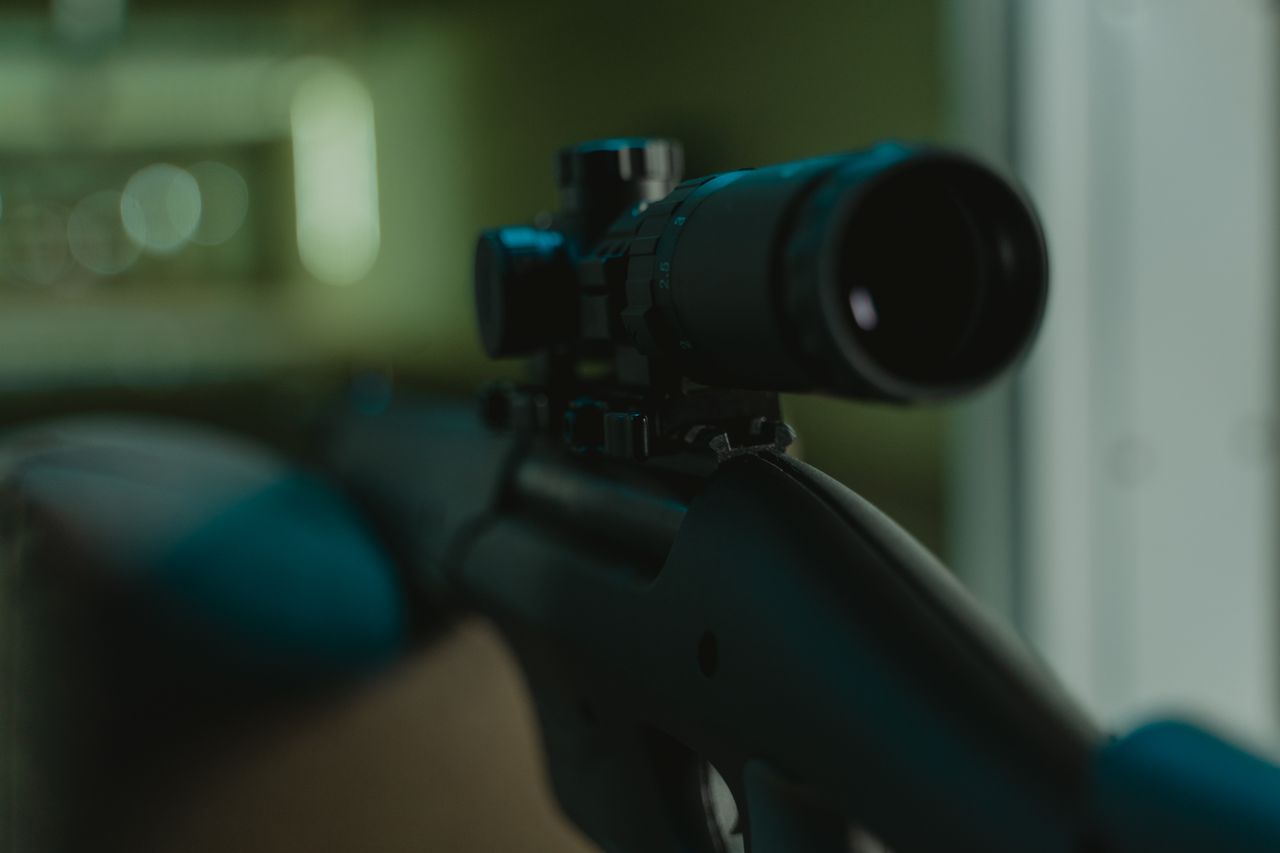
Chasing the quietest 308 suppressor setup is about more than the can itself, because the platform under it changes everything. A bolt action and a semi-auto behave very differently once you add a can, and the same suppressor can sound noticeably different on each.
If you understand why, you can build a configuration that wrings the most quiet out of your rifle instead of leaving easy gains on the table.
Why Bolt and Semi-Auto Differ
A bolt action is a sealed system between shots, so almost all the gas exits the muzzle through the can. A semi-auto vents gas through the action to cycle, which adds noise and blowback at the shooter’s face.
That means a 308 suppressor that sounds whisper-quiet on a bolt gun will read a little louder on a gas gun, even with identical hardware. Knowing this shapes every other .308 suppressor choice you make. The notes on measuring sound explain why real results vary from a spec sheet, and this guide on balancing power covers the sound trade-offs for the caliber.
Cans That Reward a Quiet Build
The .30 caliber lineup from Liberty Suppressors gives you solid bases for a quiet 308 suppressor setup, so here are three to build around.
The Amendment: Big-Bore Suppression
The Amendment is a strong anchor for a quiet .308 rig.
- A 17-4 stainless core stands up to repeated strings without losing performance.
- Rated across a broad set of .30 caliber rounds for flexibility.
- Serviceable, so you can clean it and keep suppression consistent over time.
The Sovereign: Quiet Without the Weight
The Sovereign proves light does not have to mean loud.
- All-titanium at about 12.7 ounces, ideal for a quiet bolt-action hunting rig.
- Ships with adapters and a cover, and the cover also helps tame mirage and heat.
- Built for hunters and precision shooters who want suppression they can carry.
The Constitution: Consistent on Hard Use
The Constitution holds its own on a gas gun.
- Around 30 dB of reduction with a tough monolithic core.
- Full-auto rated, so a hot semi-auto string does not faze it.
- Simple direct-thread mounting that stays rigid shot to shot.
Tuning for Maximum Quiet
Beyond the can, a few levers help. Subsonic ammo removes the supersonic crack and is the single biggest gain. A longer or higher-volume can suppresses more. Running a can wet can drop the first few shots further. On a semi-auto, an adjustable gas system trims blowback noise.
Layer these and you approach the quietest 308 suppressor result your platform allows. Confirm bore fit first using these notes on matching caliber, keep your ears safe within occupational noise exposure limits and away from noise-induced hearing loss, and the quietest 308 suppressor build for your rifle comes together.
What Makes a .308 Can Quiet
Chasing a quiet 308 suppressor starts with understanding where the quiet comes from. Internal volume, baffle design, and overall construction all shape the real-world signature far more than any single number suggests. A larger can with more internal volume generally suppresses more, while smart baffle geometry manages the sharp initial report.
The .308 still produces a supersonic crack on standard loads, so a 308 suppressor tames concussion and muzzle blast rather than erasing the shot entirely.
Tone matters as much as raw volume. Two cans with similar ratings can sound very different at the ear, which is why hands-on impressions and trusted reviews count for so much.
When hunting for the quietest 308 suppressor, weigh the full picture, including tone, weight, and durability, rather than fixating on a single decibel figure. That balanced judgment is what leads you to a can that genuinely sounds and feels right on your rifle.
Sealed Versus Lighter Designs
There is a trade-off between maximum suppression and manageable weight, and where you land depends on how you shoot. A larger, heavier 308 suppressor often delivers the deepest quiet but can make a rifle nose-heavy, which matters on a hunt.
A lighter design keeps the rifle quick and comfortable to carry while giving up a little raw suppression. Neither is wrong, they simply suit different priorities.
Decide what you value before you shop. A bench shooter can accept extra weight for maximum quiet and a stable platform, since the rifle rarely moves. A hunter usually prizes a trim, balanced setup that carries easily across ground all day.
Matching the design to your dominant style is how you choose a 308 suppressor you will actually be glad to have on the rifle, hunt after hunt or string after string.
The Reality of Subsonic .308
Some shooters chase true silence with subsonic .308 loads, and it is worth understanding the trade-offs. Subsonic ammo removes the supersonic crack, which dramatically lowers the report, but it also reduces velocity and changes ballistics significantly.
For close-range work that can be a fun, remarkably quiet option, but it is not a replacement for standard loads at distance.
For most shooters, a 308 suppressor paired with standard ammo offers the best balance. You get meaningful concussion reduction and a far more comfortable report while keeping the .308’s full performance and reach.
Understanding that the supersonic crack remains on standard loads sets honest expectations. The quietest 308 suppressor still cannot make a full-power round silent, but it makes the rifle dramatically more pleasant to shoot.
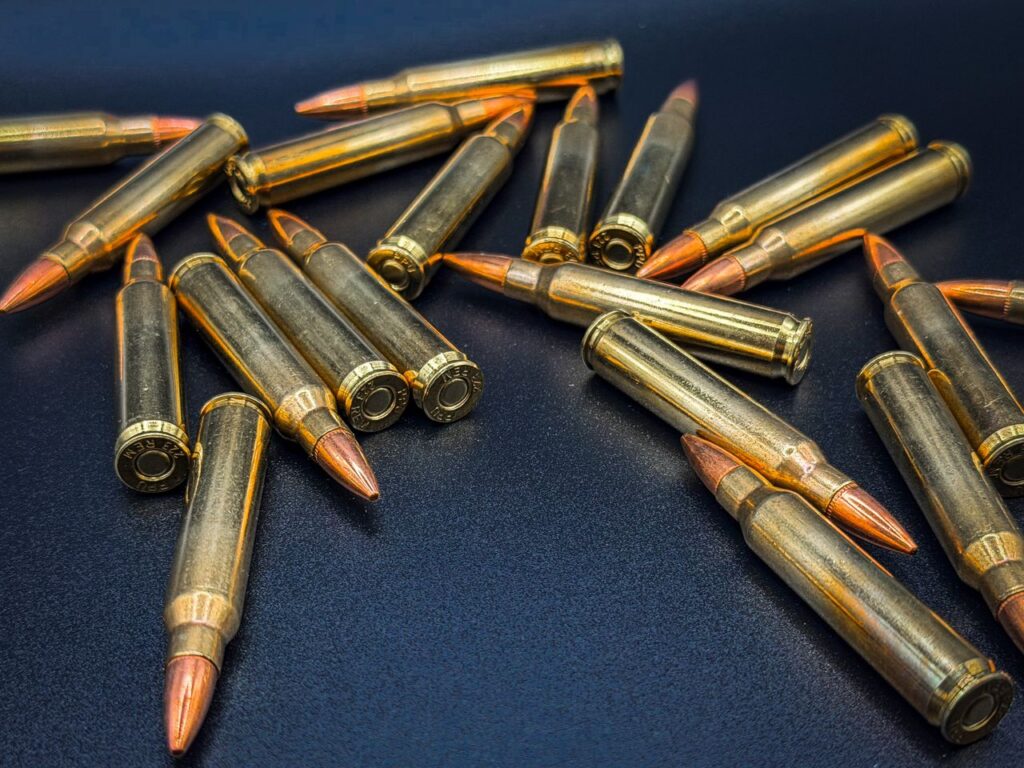
Weight and Length Trade-offs
These practical factors decide how a can feels on your rifle, and they are easy to overlook when staring at sound numbers. A longer, heavier 308 suppressor often suppresses more but shifts balance and adds length that can feel unwieldy in the field. A shorter, lighter can keeps the rifle nimble at the cost of a little suppression. The right answer depends entirely on your use.
Bench and precision shooters can lean toward size for performance, while hunters usually prize a trim, balanced setup. There is no universal best, only the best for how you shoot.
Decide where you fall before you buy, and the quietest 308 suppressor that still fits your handling needs becomes much easier to identify. Knowing your priorities turns a confusing field of options into a short, clear shortlist.
Mistakes to Avoid When Choosing
A few errors catch eager buyers. The first is fixating on a single decibel number while ignoring weight, tone, and durability, which together shape the real experience.
The second is buying a can that is heavier or longer than your shooting style can comfortably handle. The third is expecting a 308 suppressor to make a standard load silent, then feeling let down by the remaining crack.
Avoiding these comes down to realistic expectations and a little homework. Weigh the full picture rather than one figure, match the can’s size to your handling needs, and understand that the win is comfort and reduced concussion rather than true silence.
Confirm bore and barrel-length minimums before mounting, and the quietest 308 suppressor for your needs becomes clear rather than confusing.
Maintaining a .308 Can
A rifle suppressor is a long-term investment, so maintain it accordingly. Centerfire cans foul less than rimfire models, but they still benefit from periodic inspection and a tight, properly torqued mount.
A loose can is both a performance problem and a safety risk, so check the mounting interface regularly and keep it snug. Let the can cool between long strings so heat never builds to a damaging level.
Storage and routine care finish the job. Keep the can clean and dry, and follow your model’s service guidance, since sealed designs need little attention while serviceable ones reward occasional cleaning.
Treat even the quietest 308 suppressor with this basic care and it will deliver quiet, reliable performance for many years and thousands of rounds. Good habits protect both the can and the money you put into it.
Frequently Asked Questions (FAQs)
1. Why Is My Semi-Auto Louder Than a Bolt Gun?
Because a semi-auto vents gas through the action to cycle, adding noise and blowback at your face. A bolt gun sends nearly all the gas out through the can, so it usually sounds quieter with the same hardware.
2. Does Subsonic Ammo Really Help?
Yes, a lot. Subsonic loads remove the supersonic crack, which is often the loudest part of the signature. It is the single biggest lever for a quieter setup, within your rifle’s accuracy limits.
3. Is Running a Can Wet Worth It on a Rifle?
It can drop the first few shots further, but the effect fades and it is messier. Many rifle shooters run dry for simplicity and rely on a good can plus subsonic ammo instead.
4. Does a Longer Suppressor Mean Quieter?
Generally more internal volume suppresses more, so longer or larger cans tend to be quieter. The trade-off is added weight and length, which matters more on a hunting rifle than a bench gun.
5. What Is the Easiest Quiet Win?
Match a quality can to subsonic ammo and, on a gas gun, tune the gas system. That combination gets you closest to the quietest 308 suppressor result for your platform.