


The silencer vs suppressor debate trips up almost every new buyer, usually because it sounds like there must be a difference. There is not. The two words describe the same device, the tube that mounts on a muzzle to reduce the sound of a gunshot.
So why do two names exist for one thing? The answer is part history, part marketing, and part legal language, and it is worth a quick explanation.
They Mean the Same Thing
Let us settle it up front, in the silencer vs suppressor question, both terms refer to the identical product. Whether someone says silencer or suppressor, they mean the muzzle device that lowers the report of a firearm. Neither is more correct in the sense of describing a different gadget. This guide to the terminology and differences lays out the wording in plain language.
Why “Silencer” Came First
The original term is silencer, and it comes from the inventor who patented the device over a century ago and called it that. The name stuck in legal language, which is why official rules and paperwork still use silencer today. So when you see formal documents, do not be surprised that the older word appears. The federal rules reflect that historical naming.
Why “Suppressor” Caught On
Shooters and manufacturers leaned toward suppressor over time because it feels more accurate. The device does not silence a gun, it suppresses and reduces the sound.
Calling it a suppressor sets honest expectations, since nothing makes a firearm truly silent like the movies suggest. That is the heart of the silencer vs suppressor preference among enthusiasts. This comparison of leading models uses the modern term throughout.
Does the Word You Use Matter?
Practically, no. Dealers, makers, and shooters will understand you either way. The only place the distinction matters is formal paperwork, where the legal term silencer appears. Liberty Suppressors and other makers use both words freely in everyday conversation.
What actually matters is choosing the right device for your gun and protecting your hearing against noise-induced hearing loss, all under the framework of the National Firearms Act.
The Bottom Line
Two words, one device. The history gave us silencer, accuracy gave us suppressor, and both will follow you around the hobby forever. So the next time the silencer vs suppressor question comes up, you can settle it in one sentence, they are the same thing.
A Brief History of the Two Words
The story behind the names is part of what makes the silencer vs suppressor question so interesting. The original term, silencer, traces back to the inventor who patented the device more than a century ago and gave it that name.
Because it came first and entered legal language early, silencer became the official word, which is why formal rules and paperwork still use it today. The name simply stuck through history.
Suppressor arose later as shooters and manufacturers sought a more accurate description. The device does not truly silence a gun, it reduces and suppresses the sound, so the newer term set more honest expectations.
Both words have coexisted ever since, which is the entire root of the silencer vs suppressor confusion. Knowing that history makes the two names feel less like a mystery and more like a simple quirk of how the technology was first described and then refined.
Where Each Term Shows Up Today
In everyday use, the two words appear in slightly different places, which adds to the mix-up. You will see silencer in legal documents, official forms, and formal regulations, since that is the term the law adopted.
Meanwhile, suppressor dominates among enthusiasts, manufacturers, and in product marketing, because it feels more precise and modern. Neither usage is wrong, they simply reflect different contexts.
This split is why a new buyer can feel whiplash, reading suppressor on a product page and then silencer on an official form for the very same item. Understanding the silencer vs suppressor split by context removes that confusion instantly.
When you know the legal world leans one way and the shooting community leans the other, the two terms stop seeming contradictory and start making perfect sense as two names for one well-understood device.
Why the Confusion Persists
Even though the answer is simple, the confusion sticks around for understandable reasons. Movies and television constantly portray suppressors as making guns whisper-silent, which both reinforces the word silencer and sets wildly unrealistic expectations.
New buyers arrive thinking there must be a meaningful difference between the terms, when in reality there is none. The silencer vs suppressor debate survives mostly on misunderstanding rather than fact.
The mixed usage across legal and casual settings keeps it alive too. As long as official paperwork says one thing and shooters say another, newcomers will keep asking which is correct.
The good news is that a single clear explanation usually settles it for good. Once someone understands that both words name the same device, the silencer vs suppressor question stops being confusing and becomes a fun piece of trivia to share.
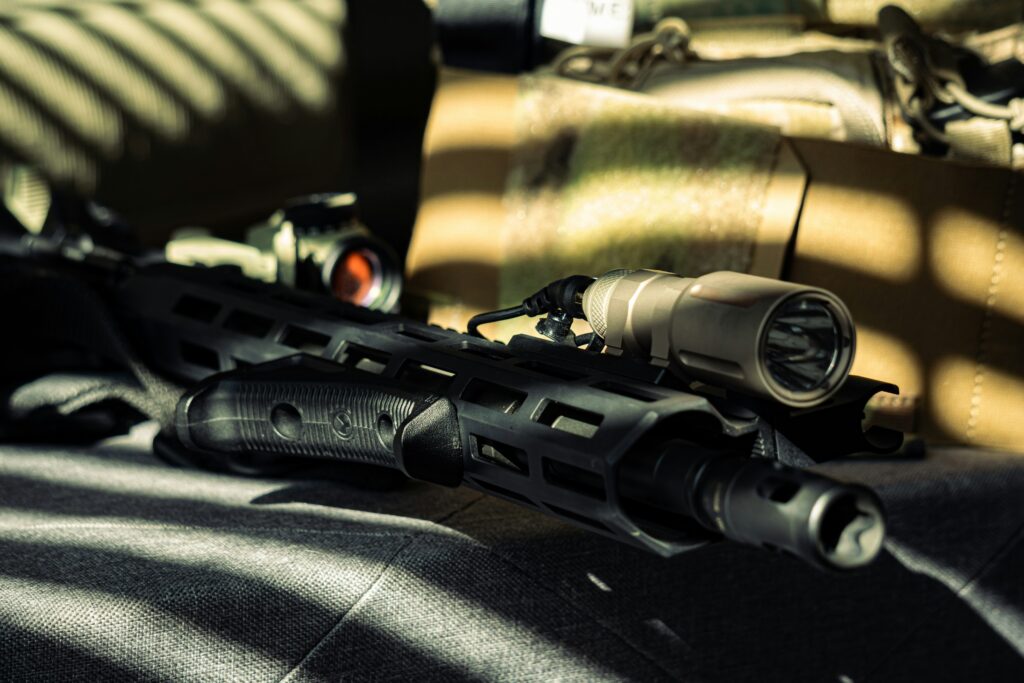
What the Device Actually Does
Setting the names aside, it helps to understand the device itself. A suppressor mounts on a firearm’s muzzle and reduces the sound of the shot by capturing and slowing the rapidly expanding gases that follow the bullet.
It lowers the report meaningfully, protecting hearing and reducing concussion, but it does not make a firearm truly silent the way fiction suggests. The crack of a supersonic bullet, for instance, remains regardless of the can.
This reality is exactly why the suppressor side of the silencer vs suppressor naming feels more accurate to so many shooters. The device suppresses sound, it does not erase it.
Understanding what the hardware genuinely does matters far more than which label you put on it. A realistic grasp of the function helps you choose the right can and set sensible expectations for how quiet your setup will actually be.
Talking to Dealers and Shooters
In practice, the word you choose makes no difference when you are shopping or chatting at the range. Dealers, manufacturers, and experienced shooters all understand both terms completely, so you can say silencer or suppressor and be understood without a second thought. There is no insider test you can fail by picking the wrong one, despite what a nervous first-timer might fear.
The only place the distinction carries weight is formal paperwork, where the legal term silencer appears. Everywhere else, the silencer vs suppressor choice is purely personal preference. Use whichever feels natural to you.
Knowing that both words are universally understood frees you to focus on what actually matters, choosing the right can for your firearm and enjoying the quieter, more comfortable shooting it provides.
The Practical Takeaway
When everything is boiled down, the lesson is refreshingly simple. Two words, one device. History handed us silencer, a desire for accuracy gave us suppressor, and both will follow you throughout the hobby forever.
Neither is more correct in describing a different product, because there is no different product to describe. The silencer vs suppressor question has a one-sentence answer that anyone can deliver with confidence.
So the next time the topic comes up, you can settle it instantly and move on to what matters. Focus your energy on picking a can suited to your guns, protecting your hearing, and enjoying the shooting experience.
The naming is just a quirk of history, while the real value lies in the device itself. Understanding that keeps the silencer vs suppressor debate in its proper place, as harmless trivia rather than a genuine source of worry.
Frequently Asked Questions (FAQs)
1. Is a Silencer Different From a Suppressor?
No. They are two names for the exact same device, the muzzle attachment that reduces a gunshot’s sound. The words are interchangeable in everyday use, naming the identical muzzle attachment that reduces a gunshot’s sound.
2. Which Term Is Correct?
In the silencer vs suppressor question, both are correct. Silencer is the older, legal term, while suppressor is the more modern, descriptive one. Neither describes a different product, so use whichever you prefer, since both point to the very same device with no difference at all.
3. Why Does Paperwork Say Silencer?
Because the legal language adopted the original term from the device’s early patent. Official rules and forms kept that historical wording, even as shooters shifted toward suppressor in conversation.
4. Does a Suppressor Make a Gun Silent?
No. It reduces the report meaningfully but never makes a firearm truly silent. The word suppressor reflects that reality better than silencer, which is part of why shooters favor it. The word sets honest expectations about what the device actually does.
5. Will Dealers Understand Either Word?
Yes. Anyone in the industry knows both terms mean the same thing, so the silencer vs suppressor choice never causes confusion when you are shopping or asking questions.