

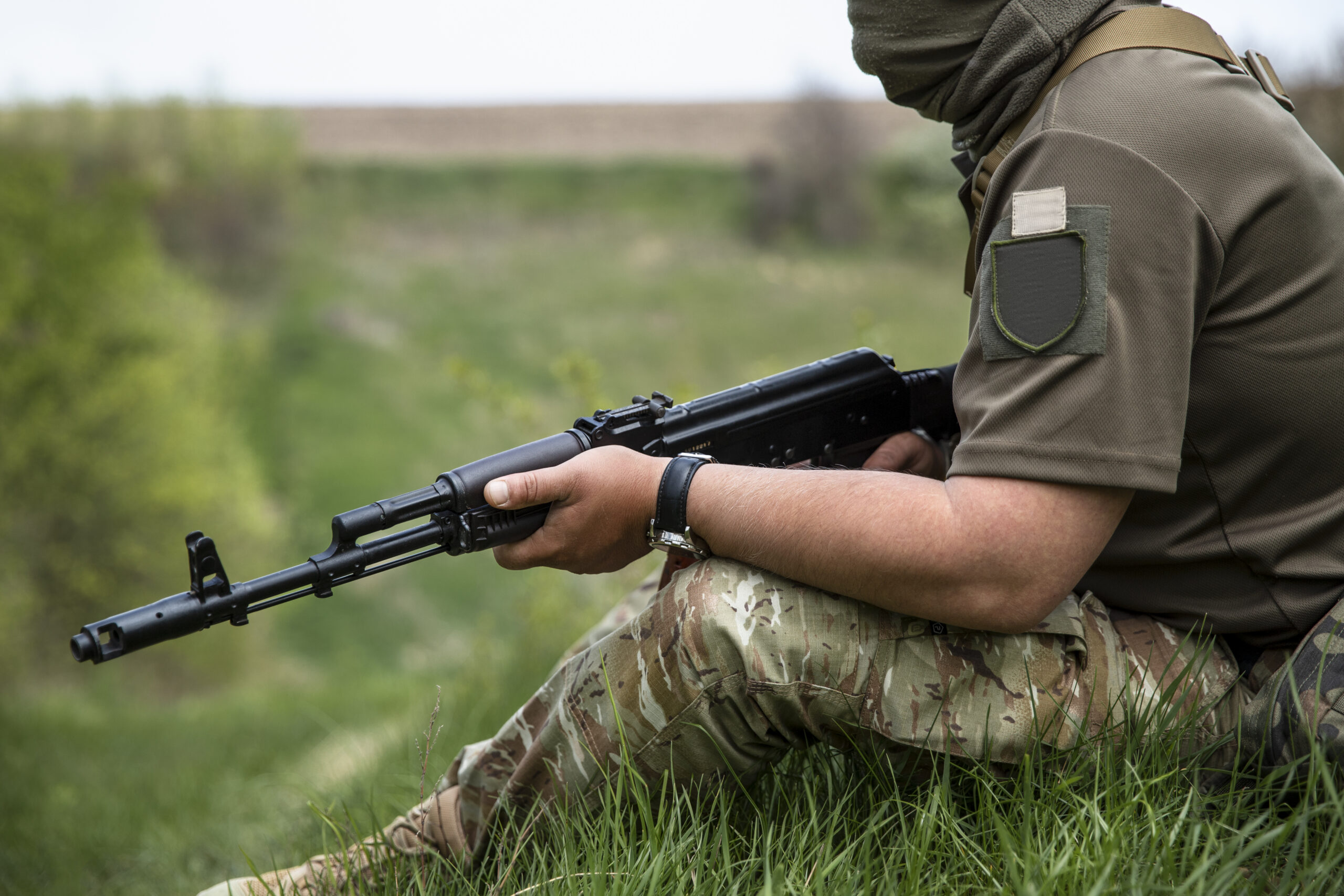
If you’re hunting for the best suppressor for 22-250, you already know this cartridge is not your average deer round. It’s fast, flat-shooting, and unforgiving of gear that doesn’t keep up with it. Pairing it with the wrong suppressor can cost you hearing protection, accuracy, and hunting opportunities.
The .22-250 Remington has earned its spot as one of the go-to varmint and predator rounds in North America. But suppressing it isn’t as simple as threading on any can and calling it a day. The right suppressor needs to match the velocity, pressure, and field conditions this caliber puts it through.
Why the .22-250 Demands a Quality Suppressor
Not every suppressor is built to handle what the .22-250 throws at it. Understanding the ballistics behind this cartridge explains why your choice matters more here than with slower, milder rounds.
High-Velocity Ballistics and Elevated Gas Pressure
The .22-250 Remington pushes 55-grain bullets to approximately 3,680 fps at the muzzle. Lighter 40-50 grain loads easily exceed 4,000 fps. That speed generates significant gas volume and pressure, well beyond what a typical .223 or 5.56 load produces.
A suppressor not rated for sustained high-velocity fire can degrade faster, run hotter, and fail to manage gas blowback. The muzzle blast on the .22-250 is the loud part, and a quality suppressor handles that well. The supersonic crack downrange is the nature of the round itself. No suppressor changes that.
Primary Use Cases — Varmint and Predator Hunting
The .22-250 is built for field work: prairie dog towns, coyote calling setups, and open farmland hunts where noise matters as much as accuracy. Running a suppressor adds real advantages in these settings:
- Avoids spooking nearby targets after the first shot
- Protects your hearing during multi-round sessions
- Reduces noise complaints from neighboring landowners
For varmint hunters, a suppressed .22-250 in a prone position at 300 to 400 yards is about as refined as the sport gets.
Core Suppressor Selection Criteria for .22-250 Rifles
Before you start browsing cans, a few specs are worth understanding. These factors determine field performance and whether the can survives the round count you plan to run through it.
Bore Diameter — Dedicated .224 vs .30 Caliber Options
The .22-250 fires a .224-inch diameter bullet. That means it fits both dedicated .224 suppressors and larger .30-caliber cans. A .224 dedicated suppressor is optimized for the bore size, offering better decibel reduction for that diameter.
A .30-caliber can gives you versatility across multiple calibers and tends to be more robust against high-pressure loads. Many .22-250 hunters prefer a .30-cal can for exactly that reason: flexibility and durability without sacrificing suppression.
Weight, Length, and Field Portability
Adding a heavy suppressor to a .22-250 changes how the rifle handles. A long can adds front-end weight, causing fatigue during extended prone sessions and making transport into a blind or truck awkward.
For most hunting use, shorter and lighter is better, as long as suppression isn’t sacrificed. Titanium suppressors offer the best balance, delivering lower weight without giving up structural integrity.
Attachment Method and Thread Compatibility
Most .22-250 rifles thread at 1/2×28, a standard pitch compatible with a wide range of suppressors and muzzle devices. Always confirm your barrel’s thread pitch before purchasing.
Direct-thread suppressors are simple and reliable for bolt guns. Quick-detach systems are better if you’re running the same suppressor across multiple platforms. They allow faster transitions and reduce cross-threading risk.
Materials — Steel, Inconel, and Titanium Compared
Each material has its tradeoffs:
- Stainless steel — durable and affordable, but heavier
- Inconel — heat-resistant, used in full-auto rated cans for sustained fire
- Titanium — best weight-to-strength ratio, the top choice for hunting builds
For a .22-250 hunter who wants performance without loading down the muzzle, titanium is hard to beat.
Liberty Suppressor Options for the .22-250
Liberty Suppressors, based in Trenton, Georgia, builds every suppressor on-site in the USA. Their lineup covers several use cases, from dedicated centerfire performance to multi-caliber versatility for hunters running multiple rifles.
Agent 5.56 — Precision Centerfire Suppressor with HUB Socket
The Agent is Liberty’s 5.56-rated centerfire suppressor built around a HUB socket attachment system. It supports direct-thread and quick-attach configurations, making it adaptable to .22-250 bolt guns and semi-automatic platforms.
It’s built for high-velocity centerfire calibers. Materials and tolerances are suited to the elevated pressure the .22-250 generates.
Constitution 2 — Durable 5.56 Field Performance
The Constitution 2 is one of Liberty’s most field-proven suppressors. Built for repeated use on .224-diameter centerfire rifles, it delivers consistent performance in a no-frills package.
For hunters who want reliable .22-250 performance without fussing over maintenance, the Constitution 2 is a practical, durable option at a solid price point.
Mystic X — Multi-Caliber Versatility for the Varmint Hunter
The Mystic X is one of Liberty’s most versatile suppressors. Through Liberty’s adapter system, it supports calibers from .22 up to large-bore rifle and pistol applications.
Use it on a .22-250 during varmint season, then swap to a larger caliber for deer season. That’s exactly what it’s built for. Liberty’s wide adapter selection makes the Mystic X one of the most flexible cans available.
Infiniti X — Lightweight Multi-Caliber Build
The Infiniti X shares the multi-caliber capability of the Mystic X in a lighter build. For hunters who want suppressor versatility without the added weight, it’s the natural fit.
It handles the .22-250’s pressure well and is a strong pick for hunters covering ground on foot who need a can that doesn’t upset rifle balance.
NFA Basics and Suppressed Hunting Legality
Buying a suppressor requires going through the National Firearms Act process, which can feel daunting at first. The process is more straightforward than it looks. Recent changes have also made it faster and more affordable than ever.
Which States Allow Suppressed Hunting
Suppressor ownership is legal in 42 states. Of those, 41 permit hunting with a suppressor. Connecticut is the one exception. Ownership is allowed there, but hunting use is prohibited.
Always verify current regulations in your state before heading out. Georgia, where Liberty Suppressors is headquartered, allows both ownership and hunting use.
NFA Form 4 Process — What to Expect
As of January 1, 2026, the $200 transfer tax on suppressors was eliminated under the One Big Beautiful Bill Act (P.L. 119-21). The Form 4 process and background check still apply. The tax barrier, however, is now gone.
The basic steps to purchase a suppressor:
- Submit ATF eForm 4
- Provide fingerprints and photos
- Pass background check
- Wait for ATF approval, then pick up from your licensed dealer
With eForm 4, approvals have been running as fast as a few days to a few weeks. Wait times may vary as application volume grows. Liberty’s team is available by phone to walk first-time buyers through the process directly.
What Separates the Best Suppressor for 22-250 Field Use
Narrowing down the best suppressor for 22-250 hunting comes down to three things: how well it reduces muzzle blast, how long it holds up under field use, and whether it fits the way you actually hunt.
Balancing Sound Reduction, Durability, and Practicality
A suppressor that runs excessively hot after a dozen rounds or loosens under heavy use is a field liability. Durability means consistent performance across a full season, not just the first day out.
A suppressor on a .22-250 brings the muzzle blast down to safer levels and reduces downrange signature. Full hearing safety without protection is achievable on properly suppressed setups, particularly with longer barrels.
Why Made-in-the-USA Construction Matters for Long-Term Use
When something goes wrong, you want to reach the people who actually built the can. Liberty assembles everything in Trenton, Georgia. Quality control is in-house, and the team knows the product from the ground up.
Domestic manufacturing means parts availability, upgrade paths, and warranty support that offshore production doesn’t reliably offer. For a suppressor you plan to run for years across multiple rifles, that matters.
Conclusion
The .22-250 rewards good gear choices, and the suppressor you pair with it is no exception. Material selection, bore diameter, and attachment method all play into real-world performance in the field.
Liberty Suppressors builds every can in the USA with a focus on being light, quiet, and durable. Whether you need a dedicated .224 option or a multi-caliber system, their lineup covers it.
Browse the full lineup at libertycans.net or call (706) 661-6911 to find the right fit for your .22-250 and hunting style. When it comes to the best suppressor for 22-250, expert input before you file the paperwork is always worth it.
Frequently Asked Questions (FAQs)
1. Can I use a .30 caliber suppressor on my .22-250?
Yes. The larger bore is safe for .224 bullets and typically delivers solid suppression. It also gives you versatility across other calibers you own.
2. Will a suppressor change where my .22-250 shoots?
Yes, it can shift your point of impact. Always re-zero with the suppressor mounted before heading into the field.
3. Does the .22-250 stay hearing safe with a suppressor?
It depends on barrel length. Longer barrels get closer to hearing-safe levels when suppressed. Shorter barrels still benefit but may not fully get there. Subsonic loads are not practical with this cartridge.
4. How long does the NFA approval process take?
eForm 4 approvals have been running days to a few weeks as of early 2026. Paper submissions take longer. Check atf.gov for current processing times, as volume may vary.
5. What thread pitch do most .22-250 barrels use?
Most factory .22-250 barrels thread at 1/2×28, compatible with a wide range of suppressors. If your barrel isn’t pre-threaded, a gunsmith can handle it.